Conversation with a sculptor / Conversation with a sculpture: Publication presentation, as part of the interdisciplinary research project on Cyprus' public art monuments "Of Monumental"
Press Release, January - 2026
Saturday, 31 January 2026, 14:00
phytorio - Visual Artists & Art Theorists Association (2, Nechrou Street, Nicosia Municipal Gardens)
"Of Monumental" is an ongoing intercommunal artistic and research initiative that opens a critical space for reflection and active engagement with the public art landscape of Cyprus. Conceived by visual artist PASHIAS and grounded in his long-term artistic inquiry, the initiative is implemented by intercommunal cultural non-profit organization Visual Voices, in collaboration with architect and academic Dr. Dimitris Venizelos, researcher Selin Genç, audiovisual artist Rahme Veziroğlu, and curator Melina Philippou. The pilot phase of the initiative took form as an exhibition within the Buffer Zone, at Nicosia Masterplan Hall, in December 2025, funded by the Deputy Ministry of Culture - Cyprus under the program Politismos II.
"Conversation with a sculptor / Conversation with a sculpture" is a research study and first-hand archive developed within the "Of Monumental" framework. Introduced by Dr. Dimitris Venizelos and Selin Genç, the publication examines eleven public art sculptures across the divide: "Birth" by Maria Kyprianou (2000, Limassol), "The Big Potato" (2021, Xylophagou), "Clepsydra" by Theodoulos Gregoriou (2009, Larnaca), "Democracy Sculpture" by Zehra Şonya (2019, Nicosia), "Horses" by the Near East University Sculpture Workshop (2021, Nicosia), "Jaffa Orange" by Sevcan Çerkez (2015, Lefke), "Lying Down" by Naz Atun (2021, Nicosia), "Miners’ Strike Monument" (2018, Lefke), "Liberty Monument" by Ioannis Notaras (1973, Nicosia), "The Poet" by Costas Varotsos (1983, Nicosia), and "Rainbow" by Nikos Kouroussis (1976, Nicosia) that was taken down later on.
Drawing on archival material and newly conducted interviews with Dr. Nadia Anaxagora, Naz Atun, Sevcan Çerkez, Dr. Ali Efdal Özkul, Theodoulos Gregoriou, Dakis Joannou, Nikos Kouroussis, Maria Kyprianou, Zehra Şonya, Giorgos Tasou, Dr. Yiannis Toumazis, and Costas Varotsos, the publication approaches public art monuments as relational objects shaped through social life, institutional frameworks, and everyday encounters.
The event, as part of phytorio's public programming "Minor gestures take root in the cracks", includes an introduction to the "Of Monumental" initiative by curator Melina Philippou, reflections on the artistic responses by PASHIAS and Rahme Veziroğlu, and a presentation of the publication’s research framework by Dr. Dimitris Venizelos and Selin Genç, followed by a round-table discussion with project contributors, respondents Dr. Stavroula Michael, Leontios Toumbouris, and Dr. Özlem Ünsal, open to all members of the public.
The initiative and artistic responses will be presented in English and in the contributors’ first language, the publication will be presented in Greek and Turkish, and the discussion will be conducted in English.
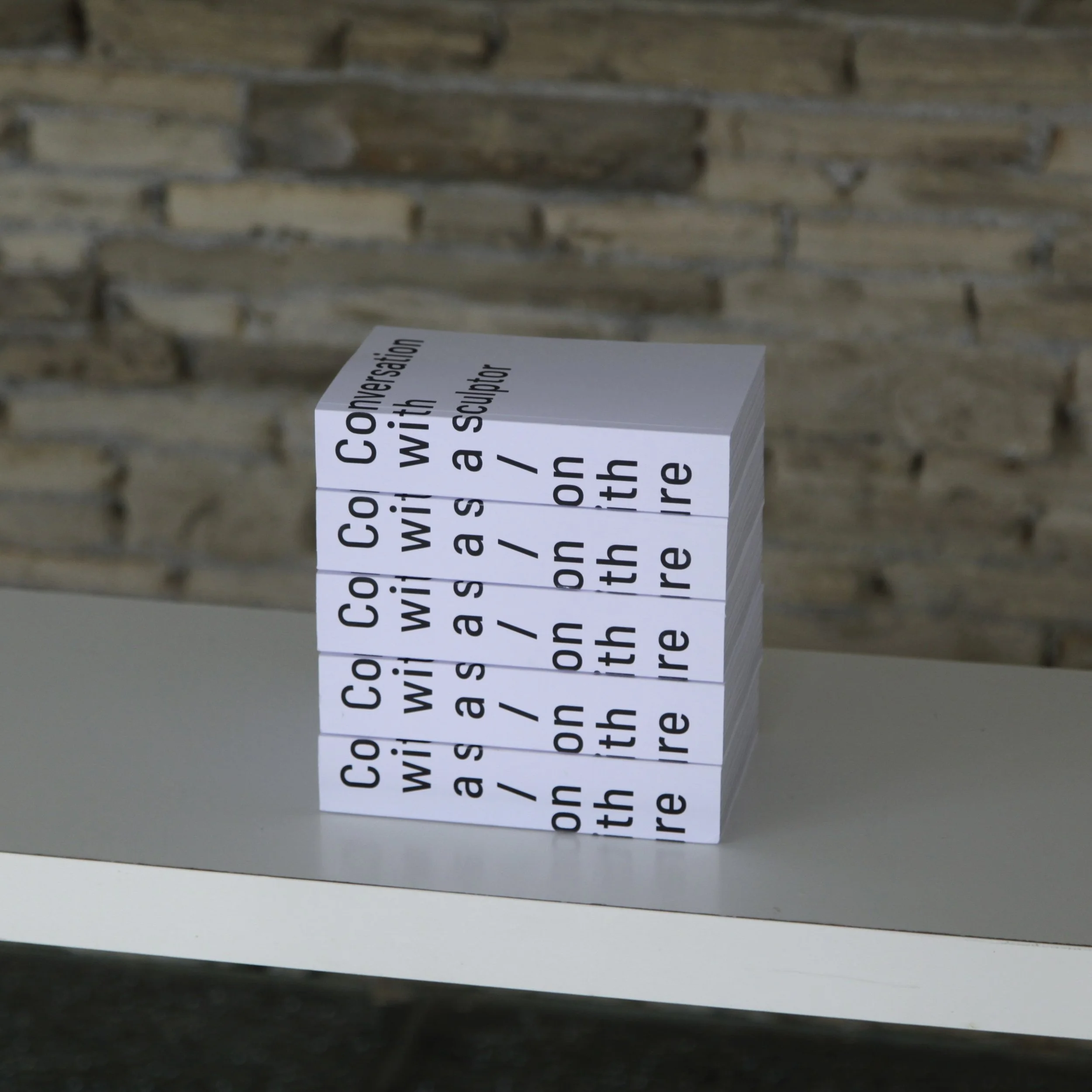
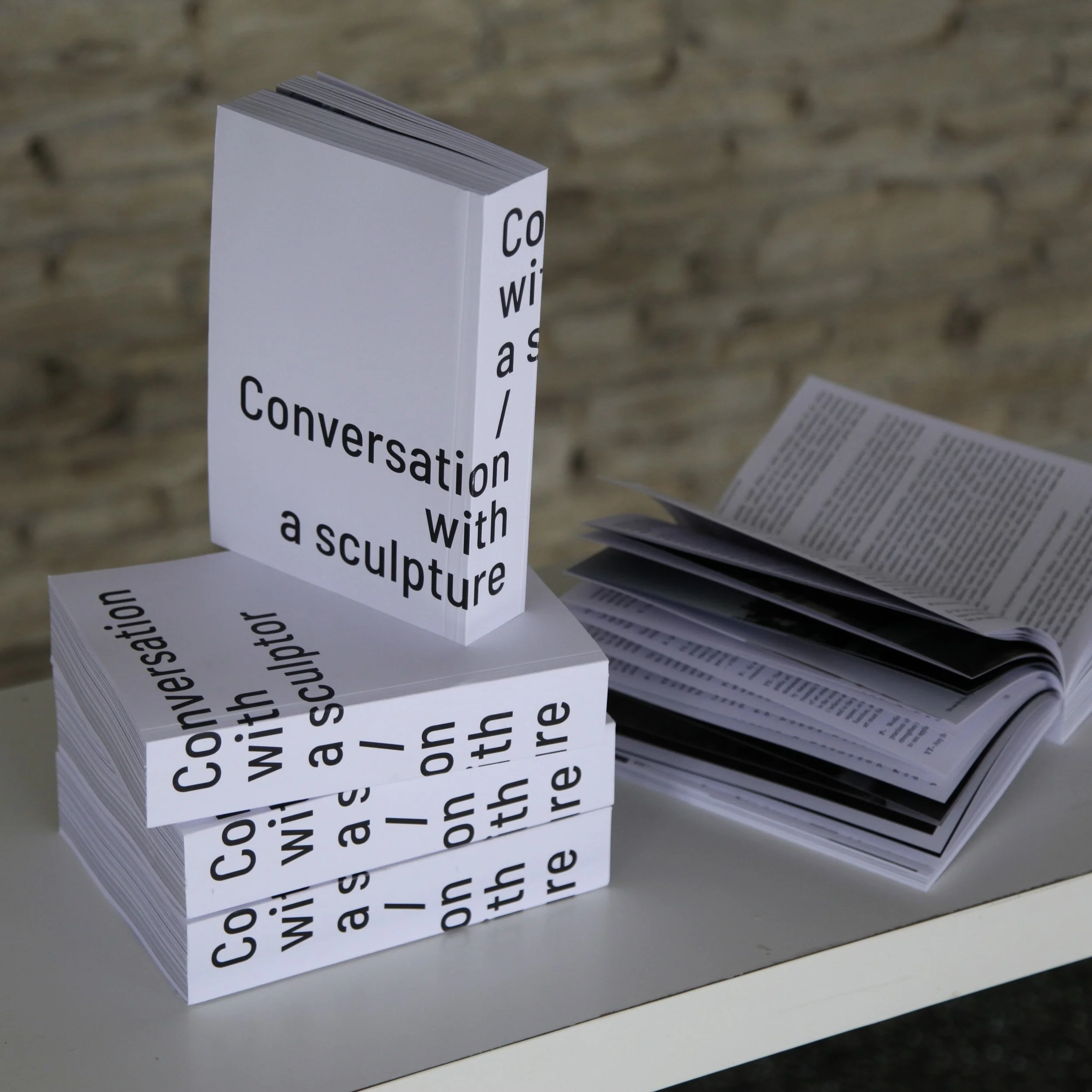
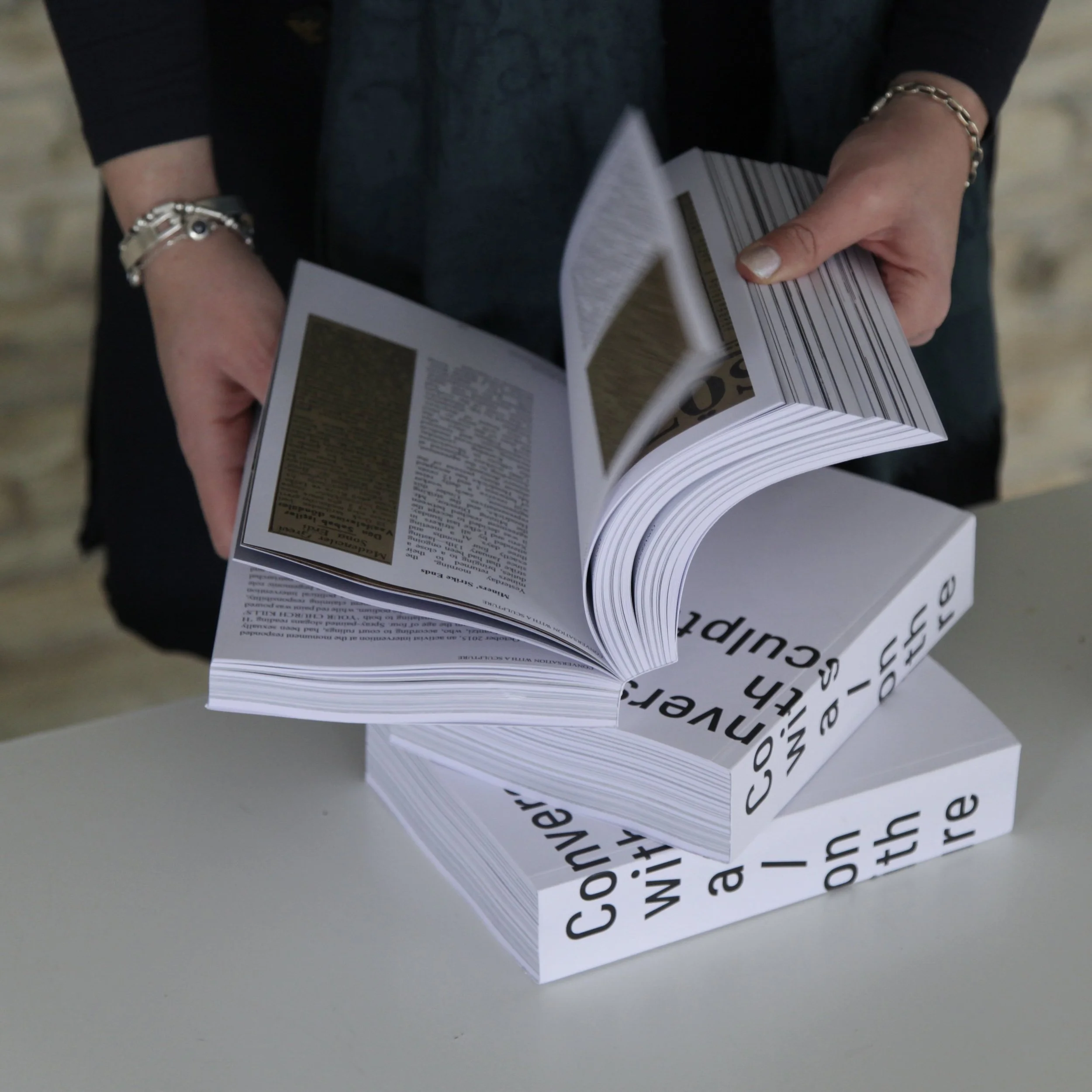
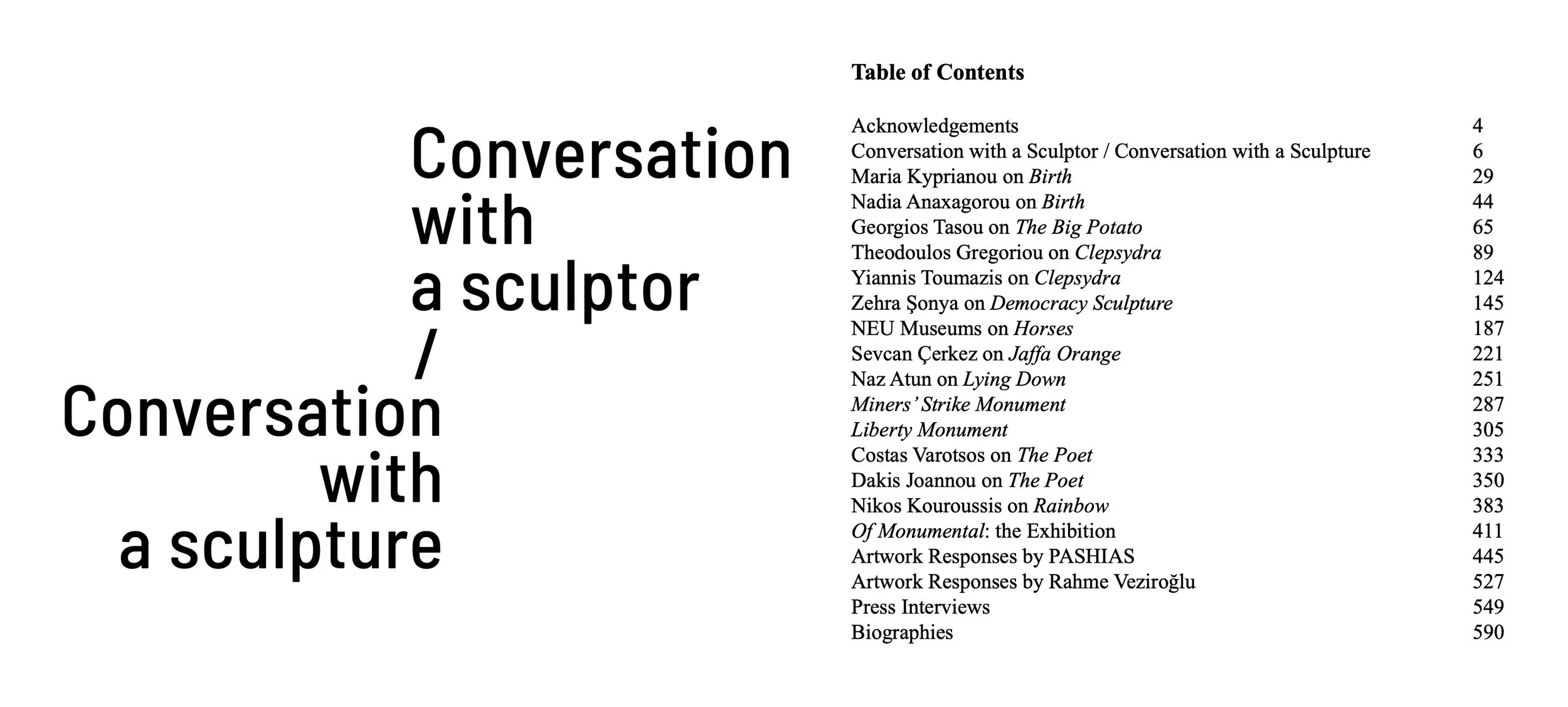
If interested, please send an email to contact@pashias.art or melina@visual-voices.org to get access to the publication’s digital version.
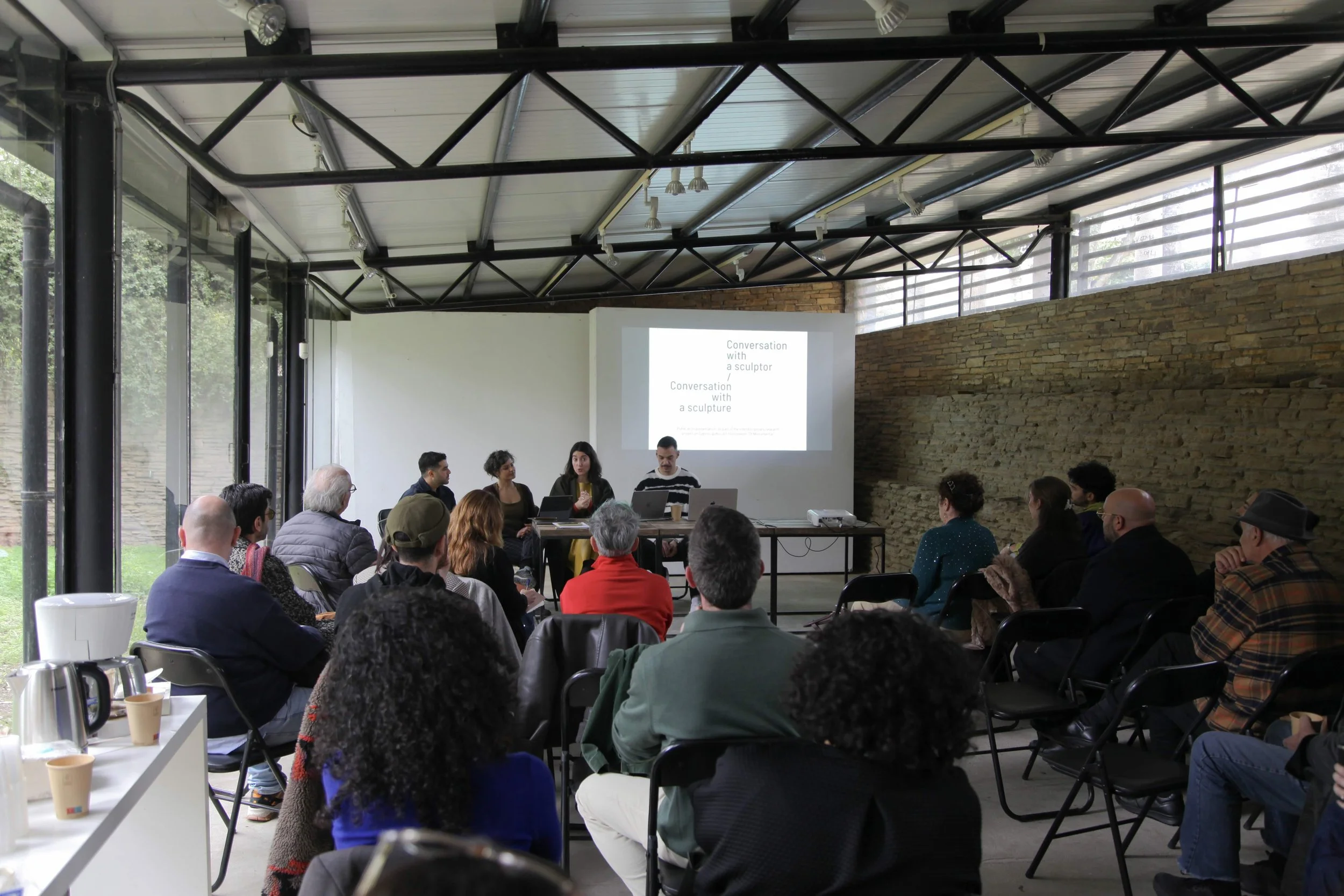
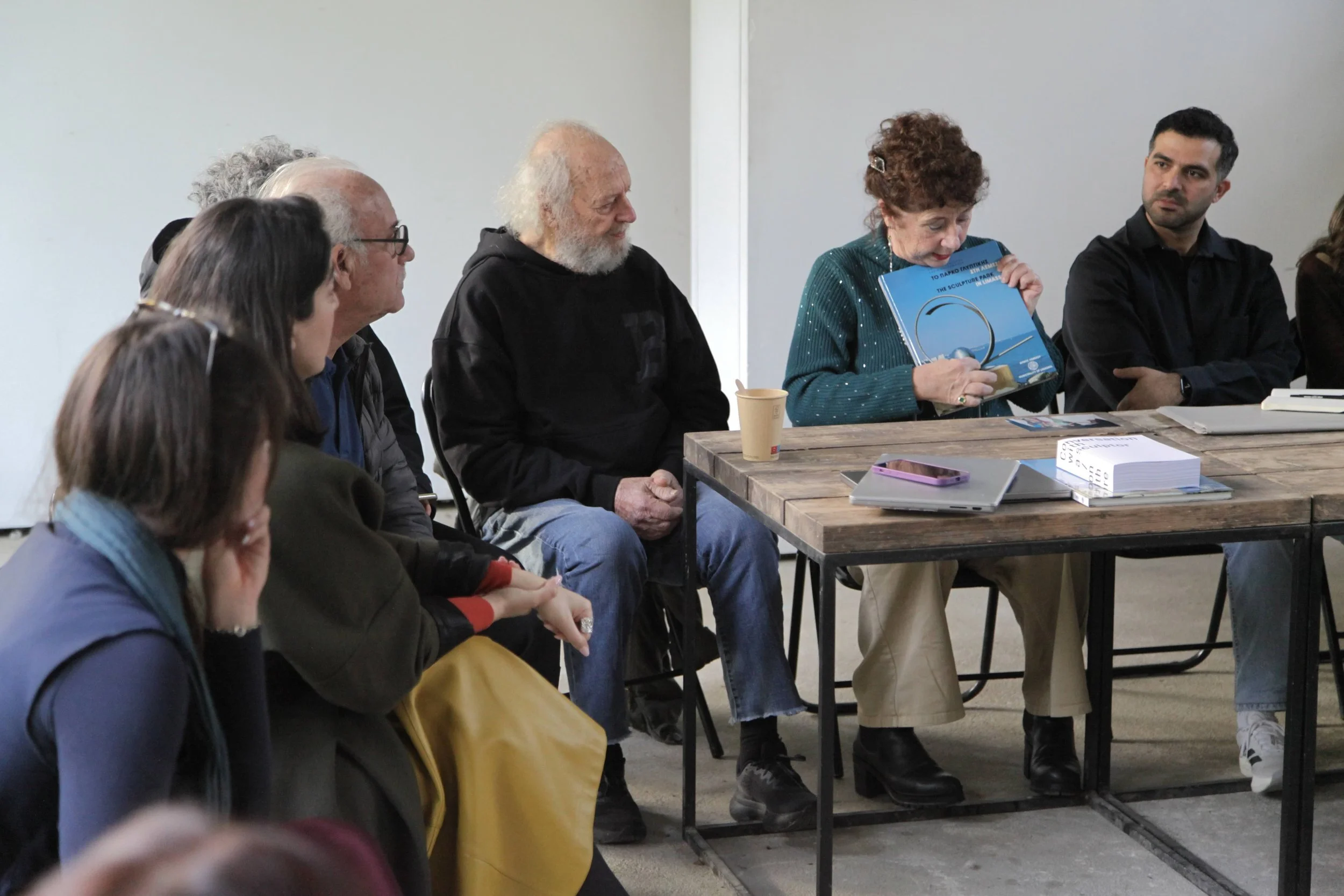
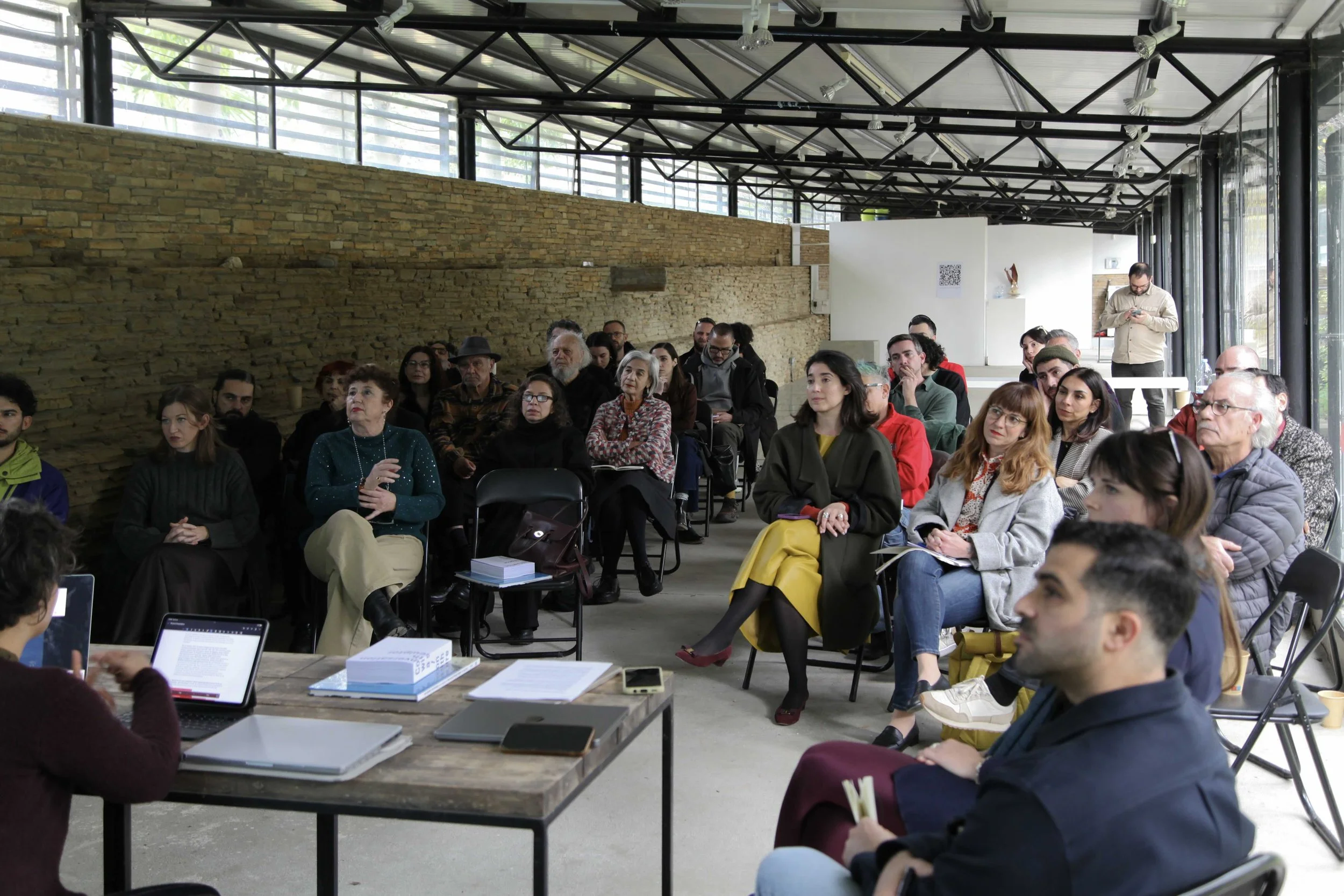
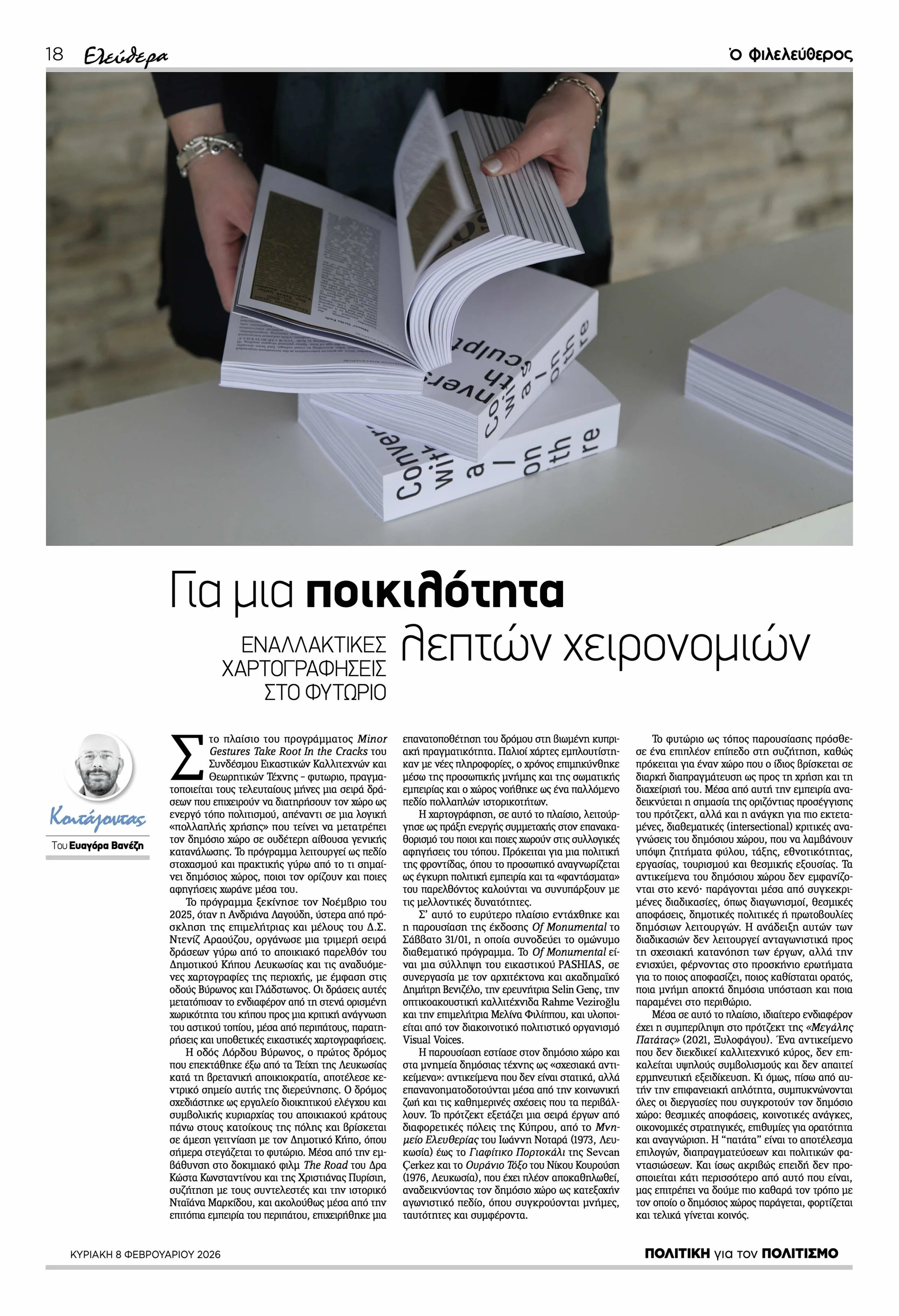
For a variety of subtle gestures - Alternative mappings at phytorio: Article by art historian Evagoras Vanezis
"Elefthera" for Phileleftheros Newspaper, 08/02/26 - Read Article (GR)
Excrepts: As part of the "Minor gestures take root in the cracks program organized by the phytorio - Visual Artists & Art Theorists Association, a series of actions have been taking place over the last few months, aiming to uphold this space as an active place of culture, in the face of the 'multi-use' logic that tends to transform the public vicinity into a neutral arena of general consumption. The program functions as a field of reflection and practice around what public space means, who defines it, and what narratives reside within it.
In this broader context, the presentation of publication "Conversation with a sculptor / Conversation with a sculpture" took place on Saturday, January 31st, accompanying the interdisciplinary program "Of Monumental". Conceived by visual artist PASHIAS, in collaboration with architect and academic Dimitris Venizelos, researcher Selin Genç, audiovisual artist Rahme Veziroğlu, and curator Melina Philippou, "Of Monumental" is implemented by the intercommunal cultural organization Visual Voices.
The presentation focused on public space and public art monuments as 'relational objects': objects that are not static, but are reinterpreted through social life and the everyday relationships that surround them.
The project examines a series of works across Cyprus, from Ioannis Notaras' "Liberty Monument" (1973, Nicosia) to Sevcan Çerkez's "Jaffa Orange" (2015, Lefke) and Nikos Kouroussis' "Rainbow " (1976, Nicosia), which has now been taken down, showcasing public space as a key site of tensions, where memories, identities, and agendas clash.
Phytorio as the presentation's host, added a further layer to the discussion, as it is a space that is itself in constant negotiation regarding its use and governance. This experience highlights the significance of the project's horizontal approach, as well as the need for more extensive, intersectional critical readings of public space that take into account issues of gender, class, ethnicity, labor, tourism, and institutional power.
Objects in public spaces do not appear out of nowhere; they are produced through specific processes, such as competitions, institutional rulings, municipal policies, or initiatives of public officials.
Bringing these processes to light does not compete with a relational understanding of the works, but rather reinforces it, raising questions about who decides, who becomes visible, which memories acquire public visibility, and which remain marginalized.
Within this context, the inclusion of the project "The Big Potato" (2021, Xylofagou) is particularly noteworthy. An object that does not claim artistic prestige, does not invoke higher symbolism, and does not require interpretive expertise. And yet, behind this superficial simplicity, all the processes that constitute public space are condensed: institutional decisions, community needs, economic strategies, desires for visibility and recognition.
The "Potato" is the result of choices, negotiations, and political fantasies. And perhaps precisely because it pretends to be nothing more than what it is, it allows us to see more clearly how public space is produced, charged, and ultimately shared.