"Of Monumental" is an interdisciplinary research study foregrounded in previous work of visual artist PASHIAS, exploring the public art landscape through performance art, photography, videography and multimodal ethnography. In its first edition, implemented by intercommunal organisation Visual Voices, the project explores the evolving role of public art monuments in Cyprus, across the divide, shaping collective memory and negotiating contested narratives. We approach them as relational entities within broader historical, social and political frameworks, shaping and being shaped by diverse subjectivities, discourses and imaginaries.
Acknowledging the 'agency' and 'biography' of monuments as dynamic artifacts, "Of Monumental" views them as open circuits for new relationships and narratives accrued over time: How do public art monuments embody and negotiate shifting narratives of identity, memory and reconciliation? In what ways can aesthetic and performative interventions reveal or subvert these contested meanings and mediated representations of public spaces and materialities, thereby reconfiguring collective memories and redefining the commons?
Building a fresh layer of sediment on this history, the project engages with the semantically dynamic nature of public art monuments through artistic interventions and systemic research. Internationally renowned visual artist PASHIAS, with a long-standing practice on public art interventions, explores how the human body and the medium of moving image can offer renewed and embodied perspectives on these historical markers, as experienced in space and time. Simultaneously, the research team comprised of architect and academic Dr. Dimitris Venizelos, researcher Selin Genç, audiovisual artist Rahme Veziroğlu, and curator Melina Philippou, study the histories of these public artifacts by assembling alternative and unexpected narratives through stakeholder interviews, archival research, and media documentation.
The research and artistic study developed in "Of Monumental" is a scalable framework for future iterations, aspiring for an expanded exploration of Cyprus' public art landscape, resulting into a methodology that can be potentially applied to any 'place' of political tensions and sociocultural complexities.
The Beginning
Unedited excerpts from interview with Nikos Kotziamanis, conducted by PASHIAS + Nassos Stylianou (2008):
For 24 years, nobody said move it somewhere else. One. Second, Makarios in order to see and work in that environment, the first thing that you do is to see it correctly. To see correctly in which sense? The iron, alright, the fence, the iron fence, it must be removed. So you can see the sculpture from the top to the bottom. That never happened, right. One. Now the motive behind? I cannot say for sure. There are so many different opinions. To me, probably is political. Secondly, I challenge anybody about the artistic sort of merits of that sculpture to tell me otherwise. I always ask to be a debate and have an argument. To hear them, their position and give me facts. And why is so big in that sort of environment? Why? Tell me.
Forget our past, forget everybody, whatever this country went through. Well, it's completely different now. It's not. You have to remember your past and if something went wrong, you should remember where you went wrong, not to repeat it. Alright? I do believe that is a wrong move to take Makarios sculpture out of there. Because, first of all, it's not the point of sculpture, it's the question, why you taking it away? Don't listen that they're taking away and put it on a mountain to be projected better. But this sculpture, it hasn't been created to go and put it on a mountain. It's been created for that particular place. And the fact that other people touch and they do things, other things, to my own creation and not is consulted, it's an insult. It's an insult.
Nobody bothers even to tell me, anything. It seems to me in my country everybody knows everything. That's it. You can state that you are a cosmonaut or an astronaut. And you are. And that's it. And you know everything. So, it's sad. It's sad. And I feel sorry for the people that they have this sort of idea to do this sort of thing. I wish them, I wish them the best luck. I do believe, historically, the new generation, that they going to come, they should have a clear picture of this particular event. Call it a sculpture. Why it's been done? That sculpture. What it represents? What is the thoughts and ideas behind that, of the artist that created that sort of thing? And then, what is behind of removing that sculpture? And then I leave to others to wake up their mind. What they believe, what they think about it, I don't. But whether you ask me if I’m against, I’m against, and I feel sorry, there is nothing that I can do.
* PASHIAS was in his 2nd year at Goldsmiths University at the time, studying for his Fine Art degree.
* Nassos Stylianou was in his 2nd year at UCL University at the time, was a former Senior Data Journalist at BBC News and currently a Visual Stories Reporter at the Financial Times.
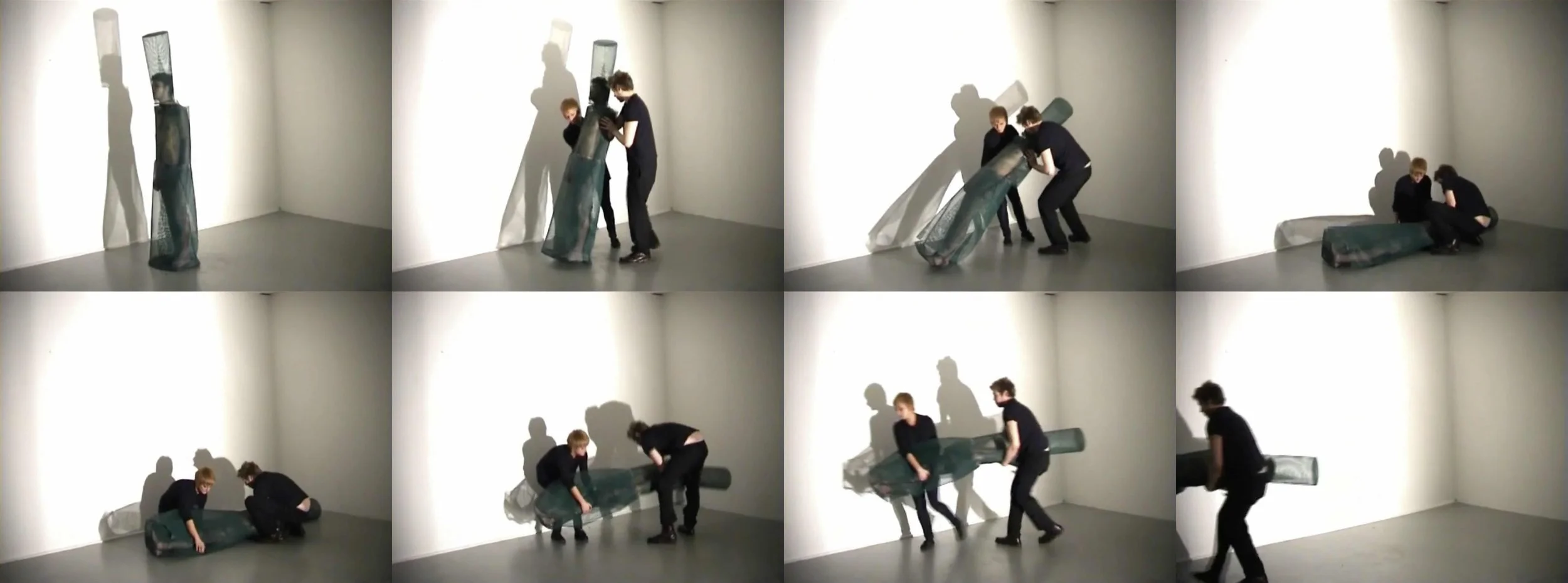
"Conversation with a sculptor / Conversation with a sculpture", Video-performance stills, PASHIAS, 2008, 4'30''
Presented in: "BA Fine Art & History of Art - Crit Sessions", Goldsmiths University, London - United Kingdom, 2008; "Neokapilos", Solo exhibition by PASHIAS, ARTos Cultural + Research Foundation, Nicosia - Cyprus, 2010

"Zei", Video stills, Constantinos Taliotis, 2008, Courtesy of the artist
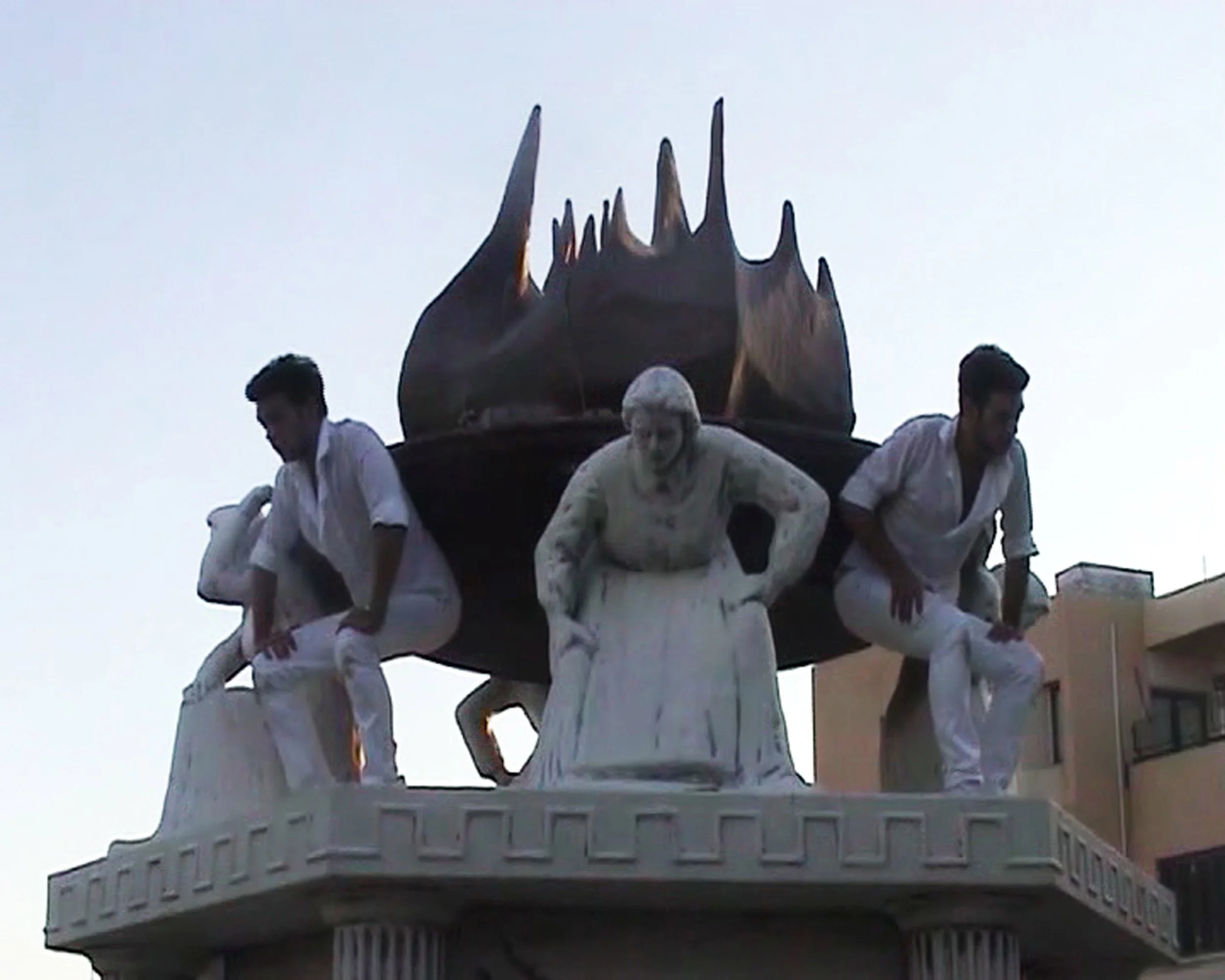
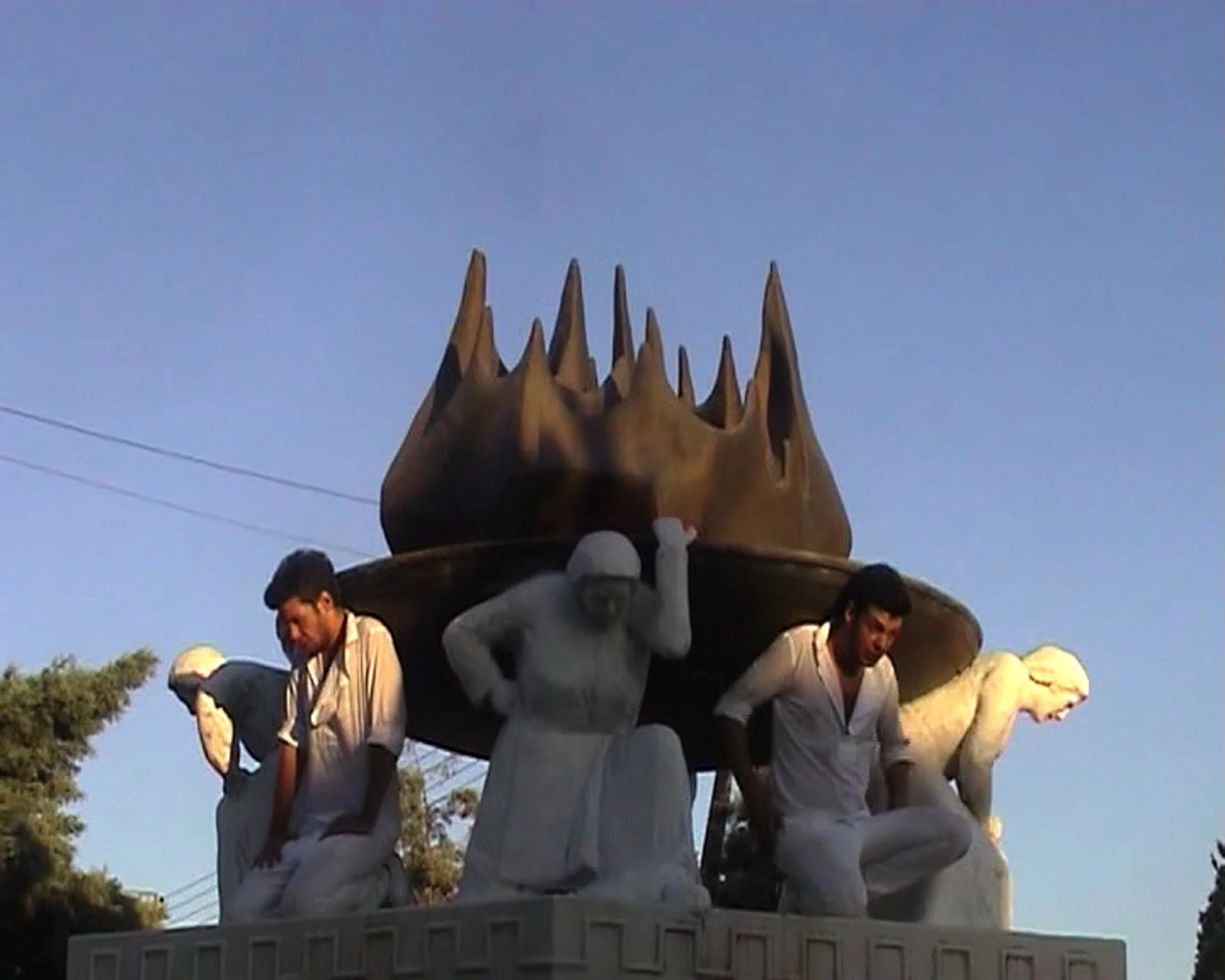
"The Burden", In conversation with "Memorial to the Missing" by Vasilis Kattos (1996, Latsia), Video-performance stills, PASHIAS, 2009, 3'08''
Presented in: "X Presents... Heart of Dixie UK", Group exhibition, Curated by Sarah Walters, Heart of Dixie, Romford - United Kingdom, 2009; "I Am Where You Are", 16th Venice Architecture Biennale - Cyprus Pavilion, Curated by Veronika Antoniou, Alessandra Swiny + Yiorgos Hadjichristou, Calle Pestrin, Venice - Italy, 2018; "Carry me home", Solo exhibition by PASHIAS, Curated by Daphne Nikita, Dimitris Venizelos + Melina Philippou, Centre of Contemporary Art Diatopos, Nicosia - Cyprus, 2019
The Process
I. "The Poet" by Costas Varotsos (1983, Nicosia)
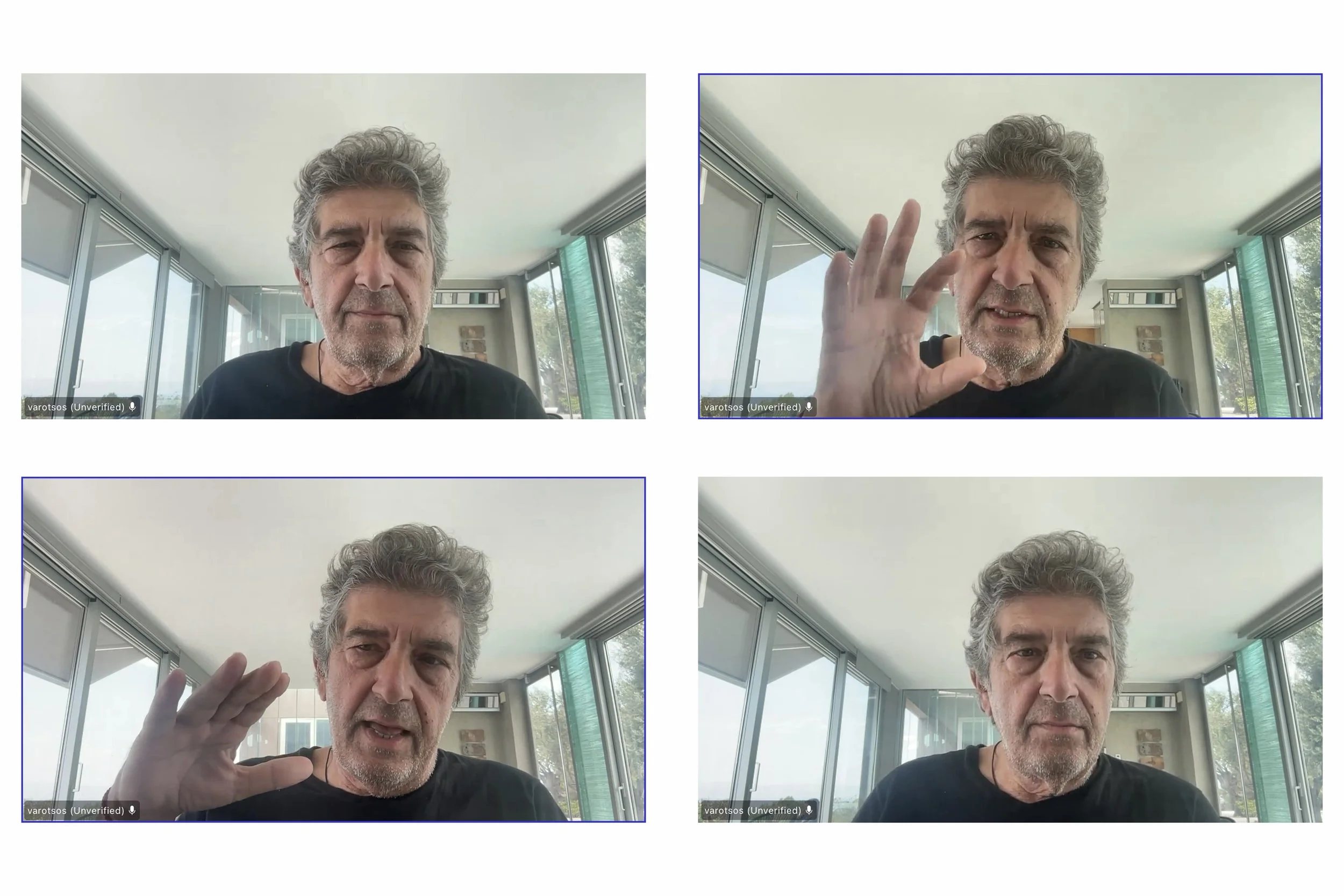
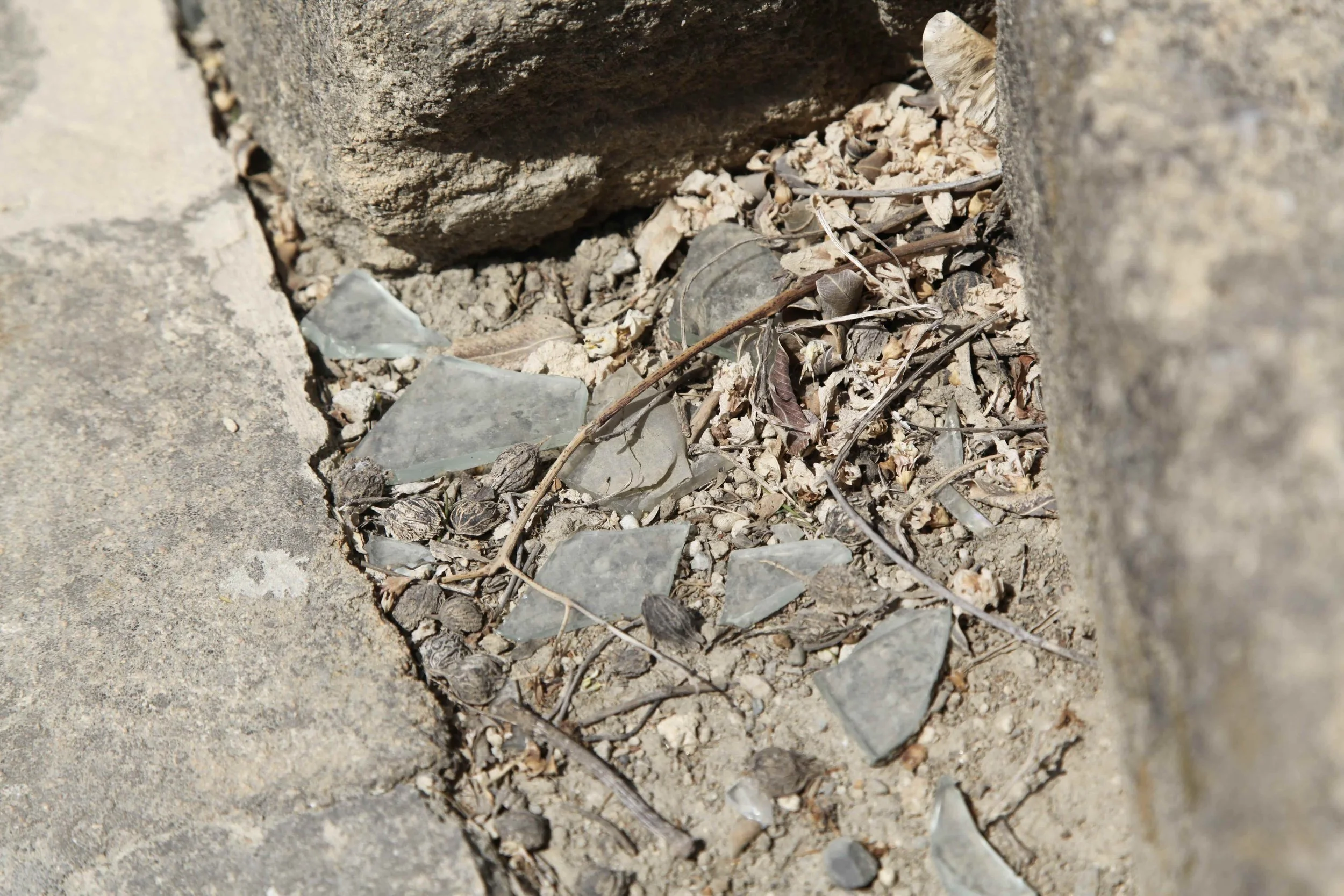
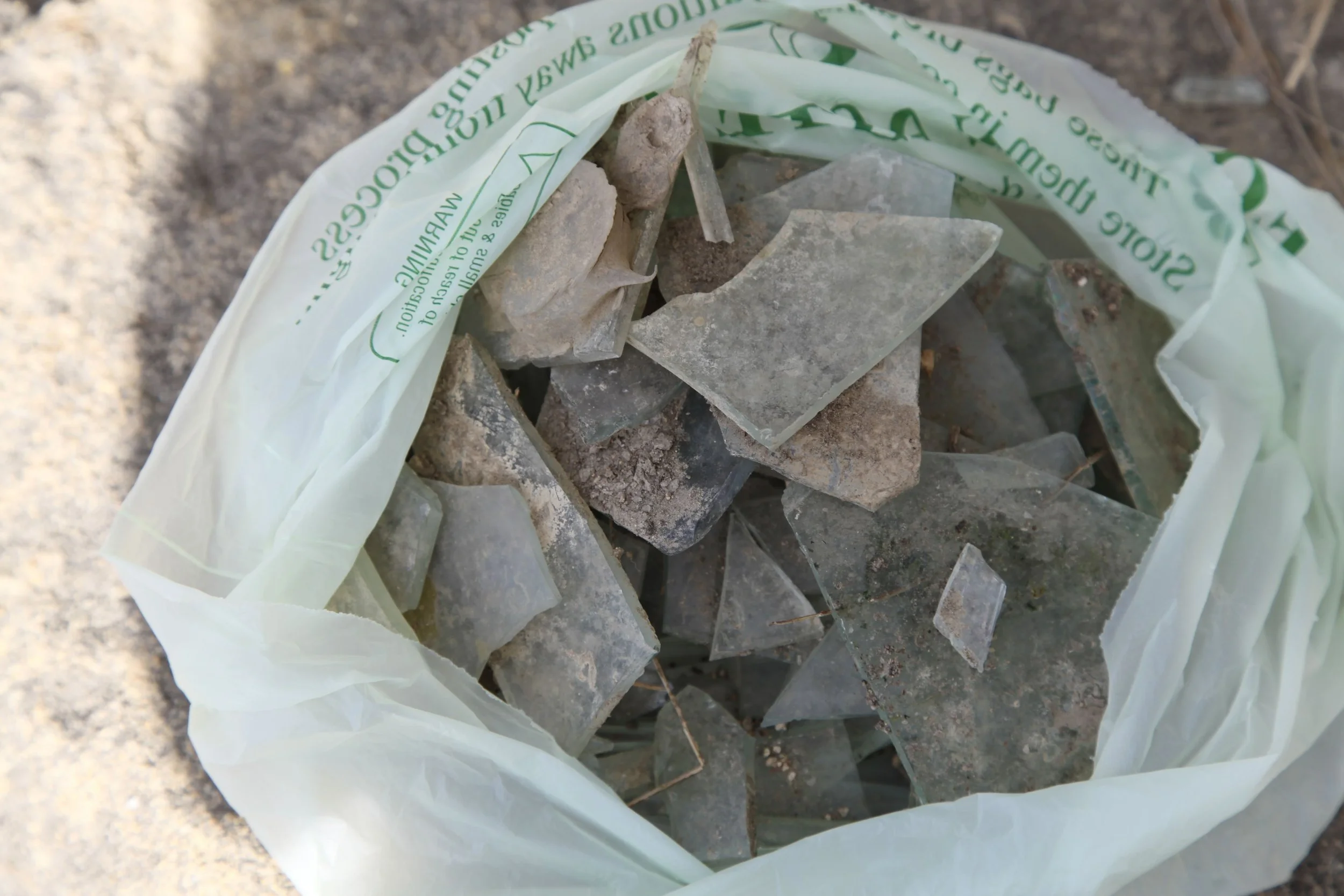
"Conversation with Varotsos", Photography: PASHIAS
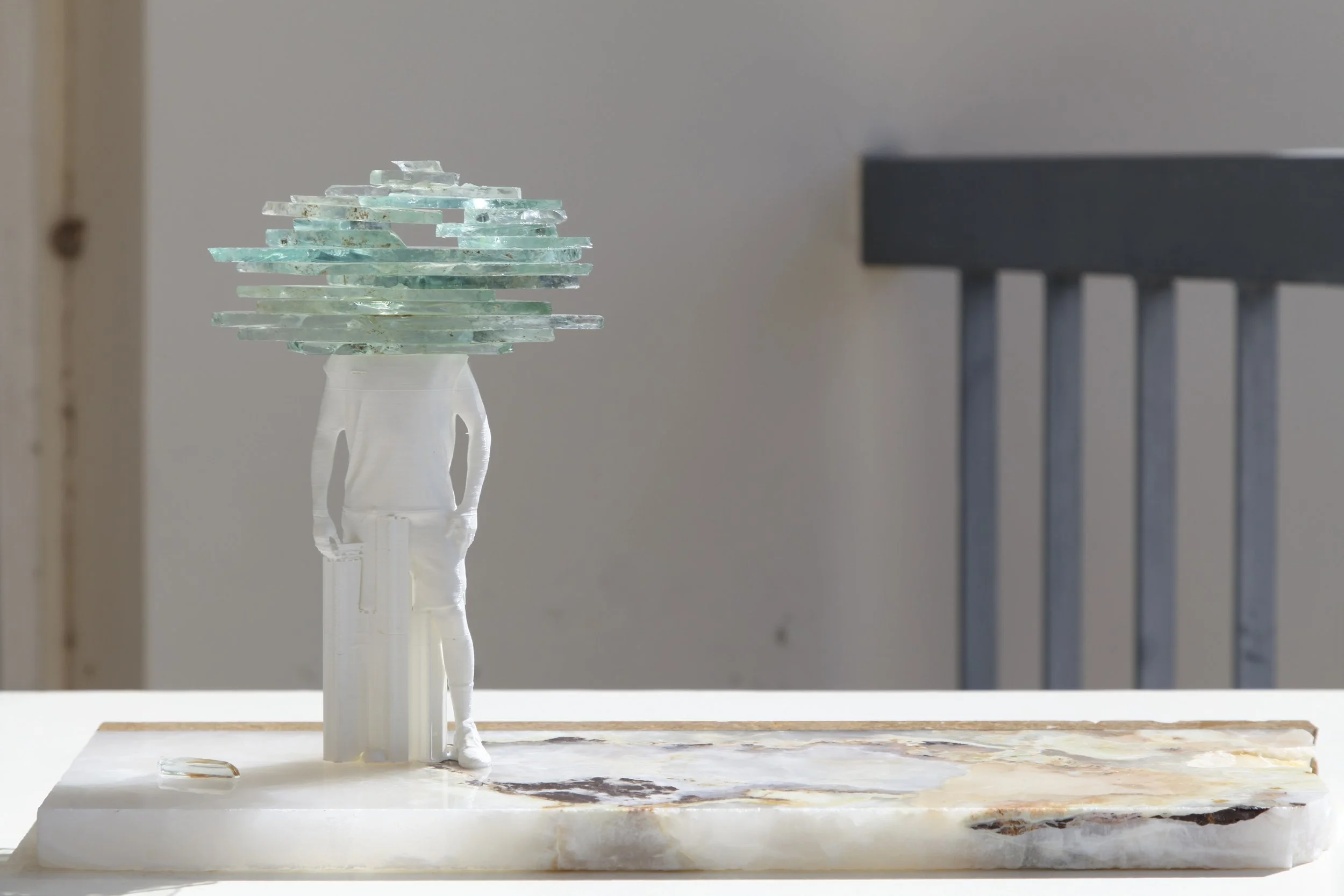
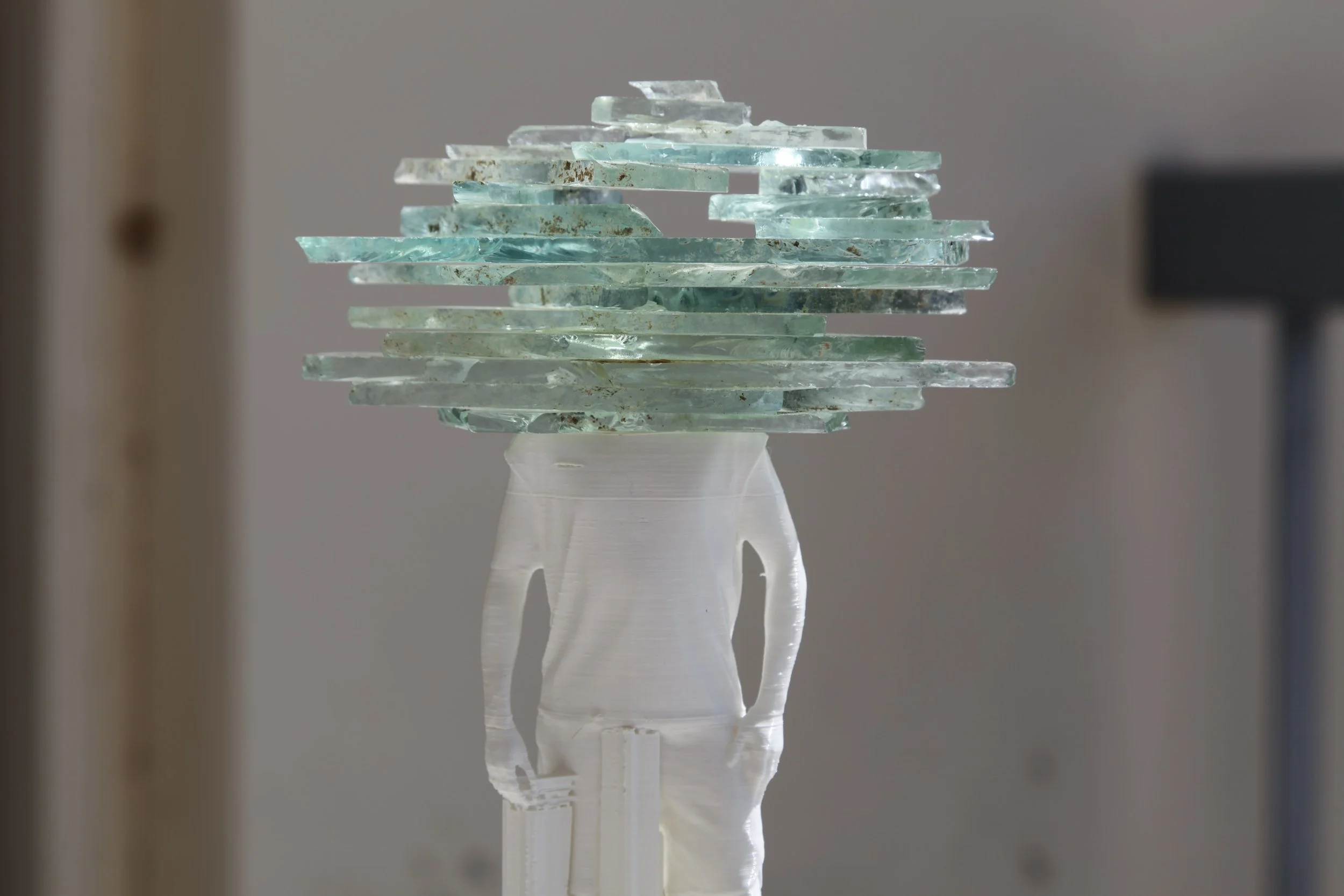
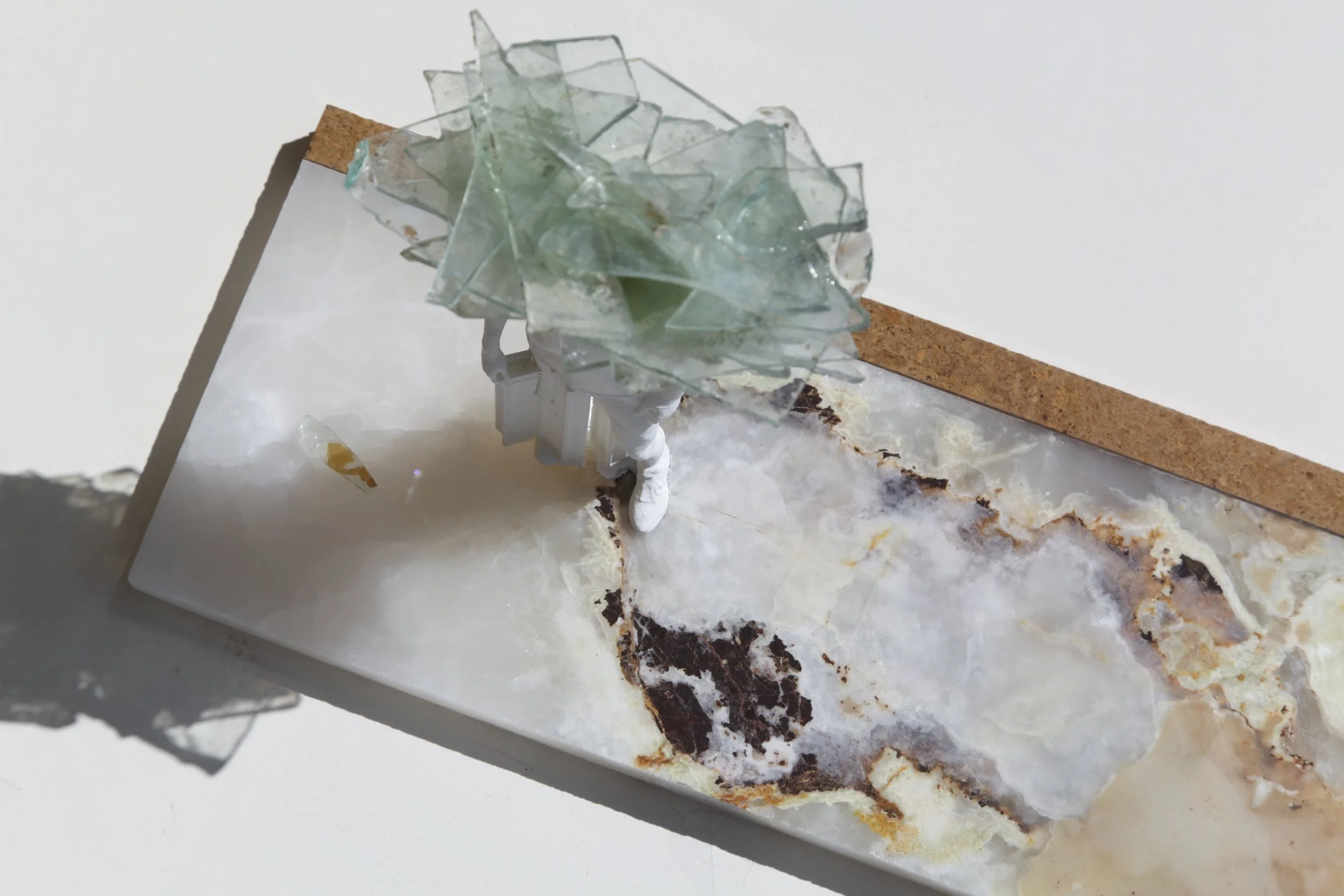
"Poet (PASHIAS Version)", Sculpture (Material: Glass shards resulting from the deinstallation of sculpture "The Poet I" at Famagusta Gate collected by the artist, 1:10 polylactide replica of the artist’s body, onyx stone)
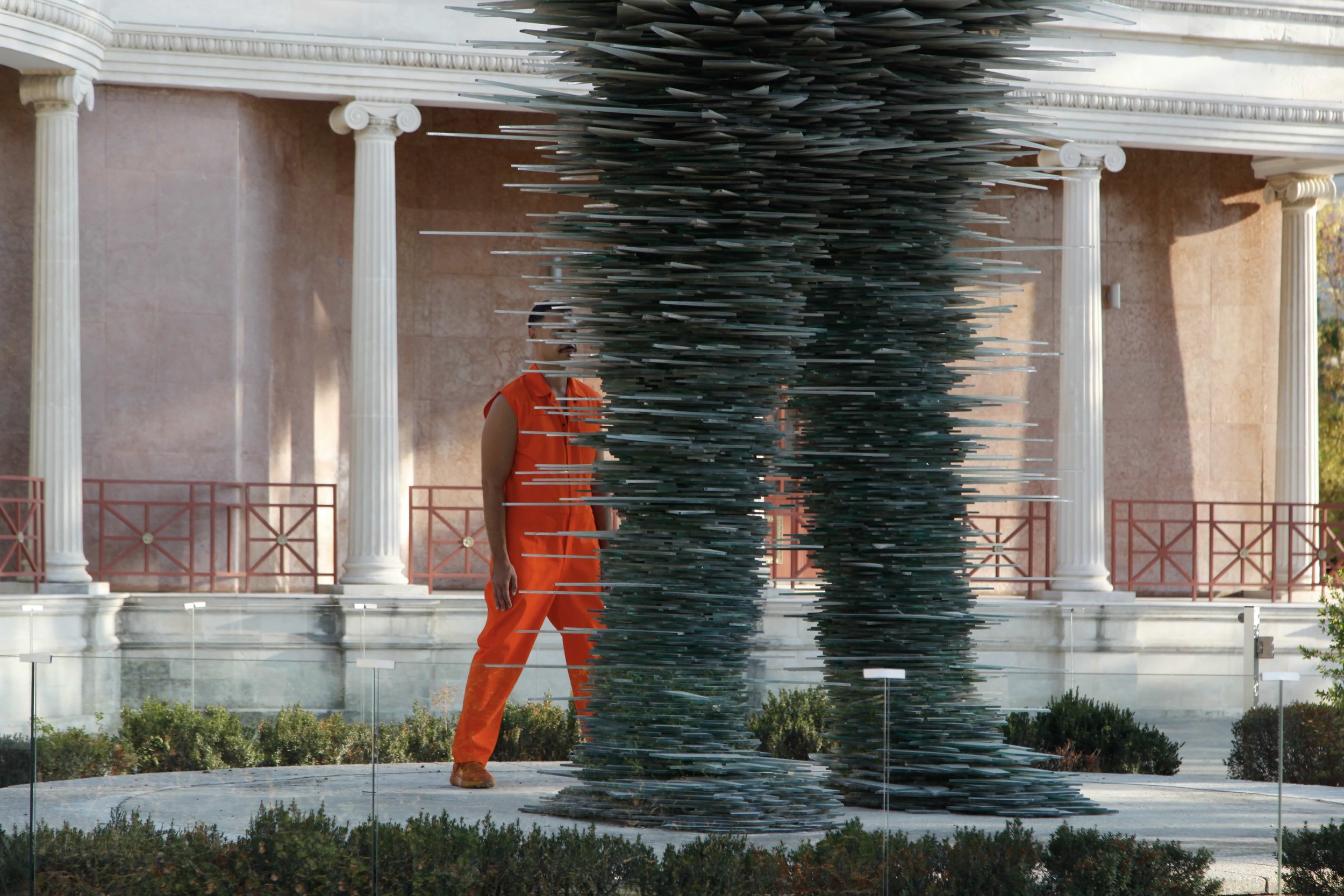
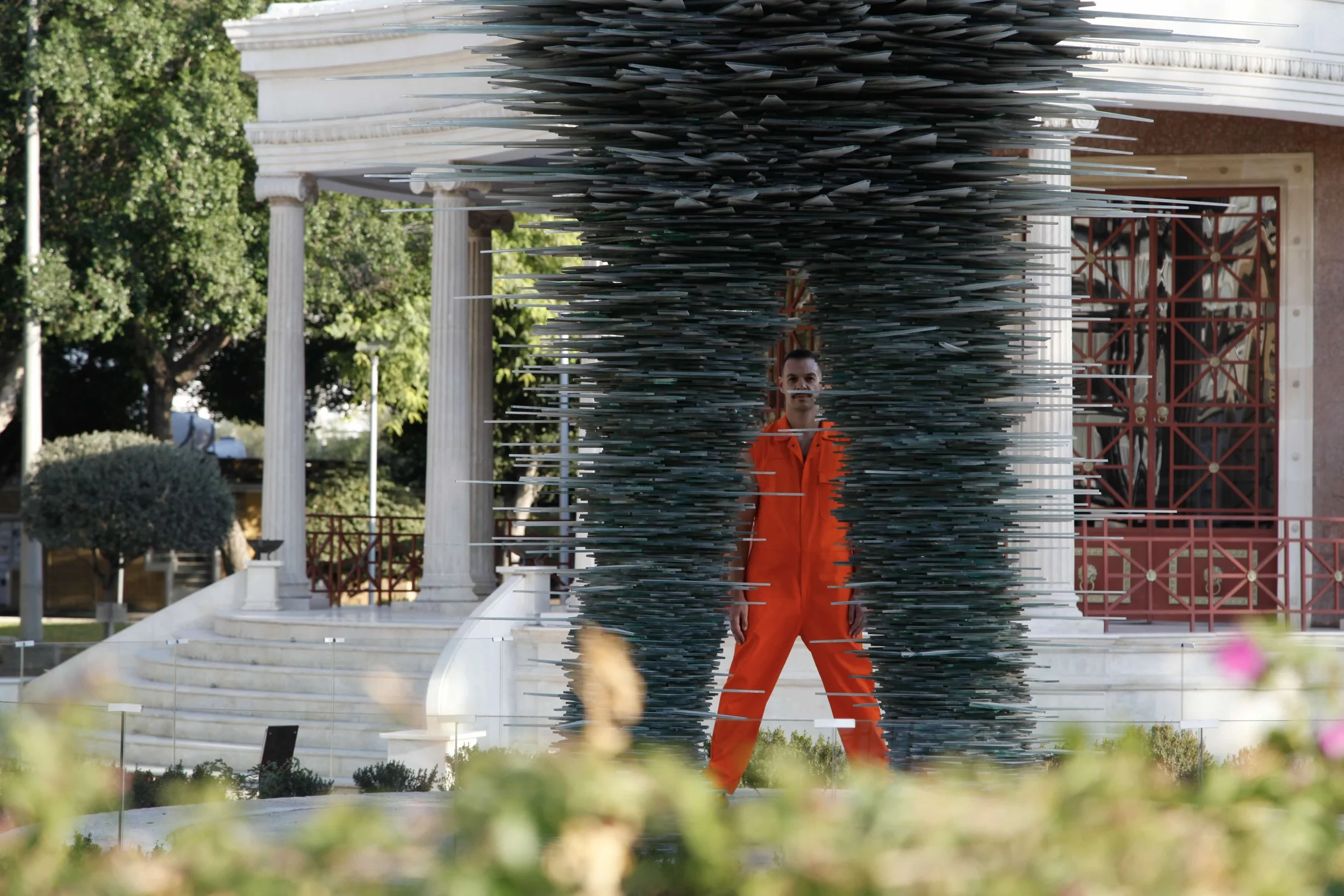
"Of Monumental: Filming Sessions", Photography: Volume Films
II. "Miners Strike Monument" (2018, Lefke)
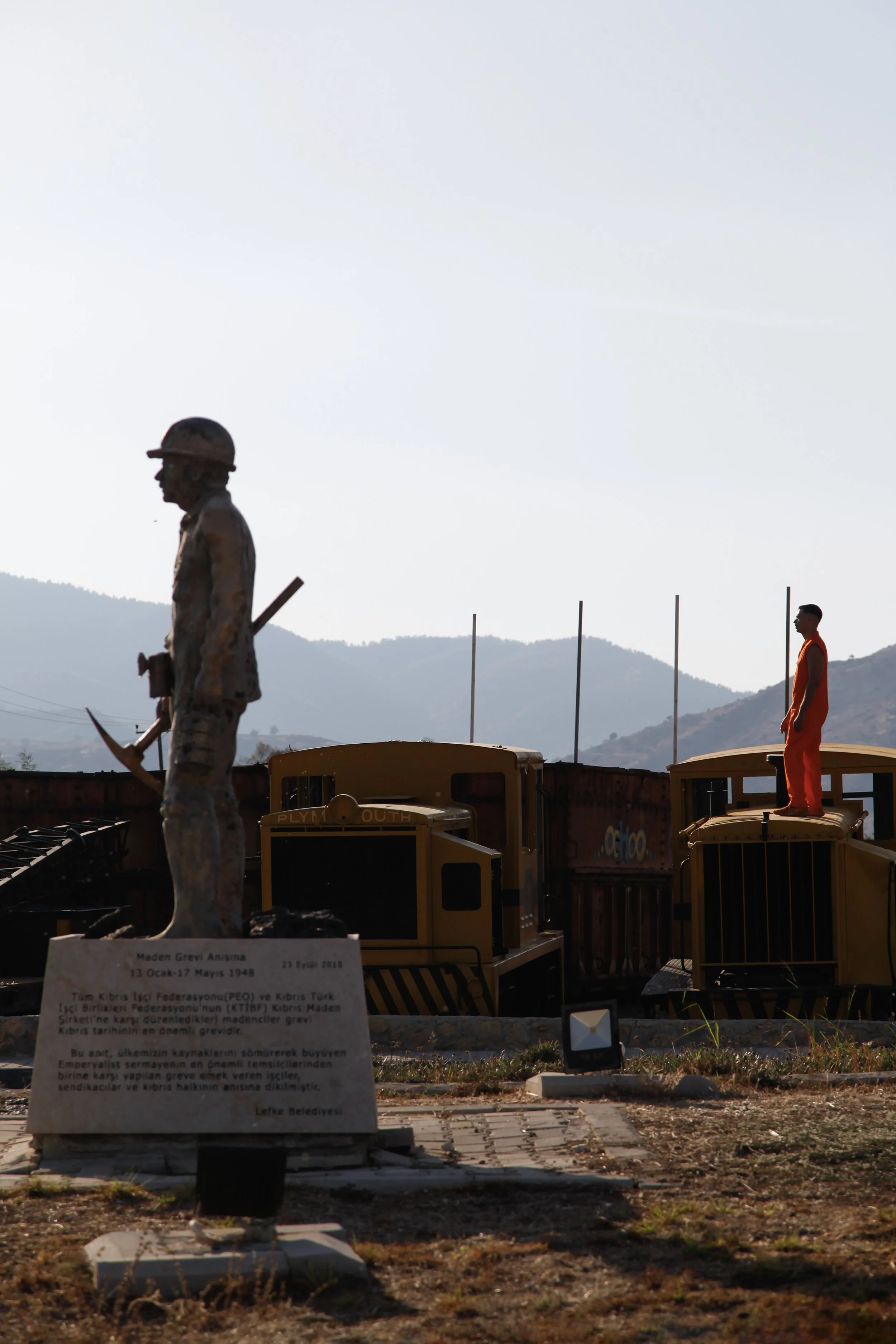
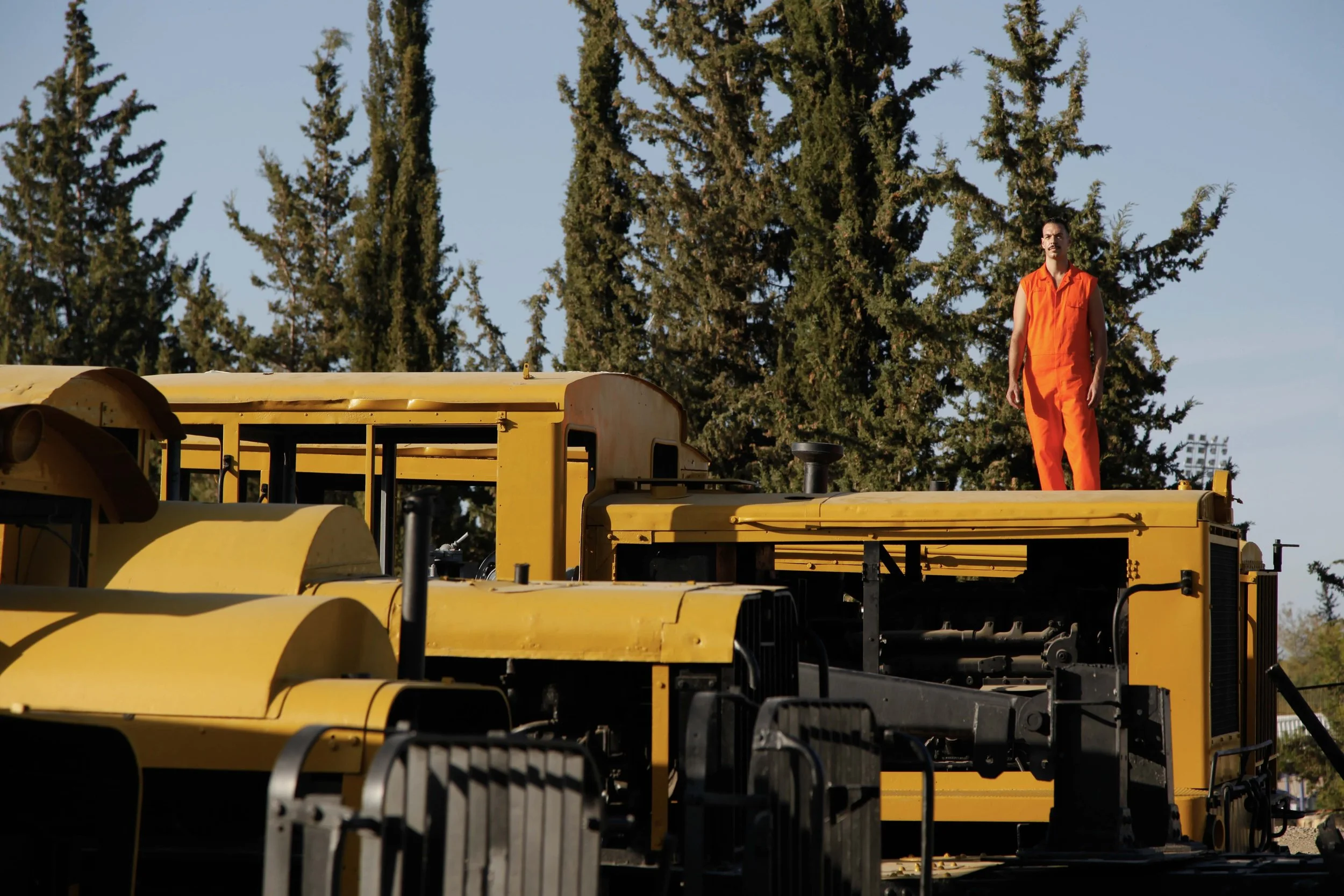
"Of Monumental: Filming Sessions", Photography: Volume Films
III. "Lying Down" by Naz Atun (2021, Nicosia)
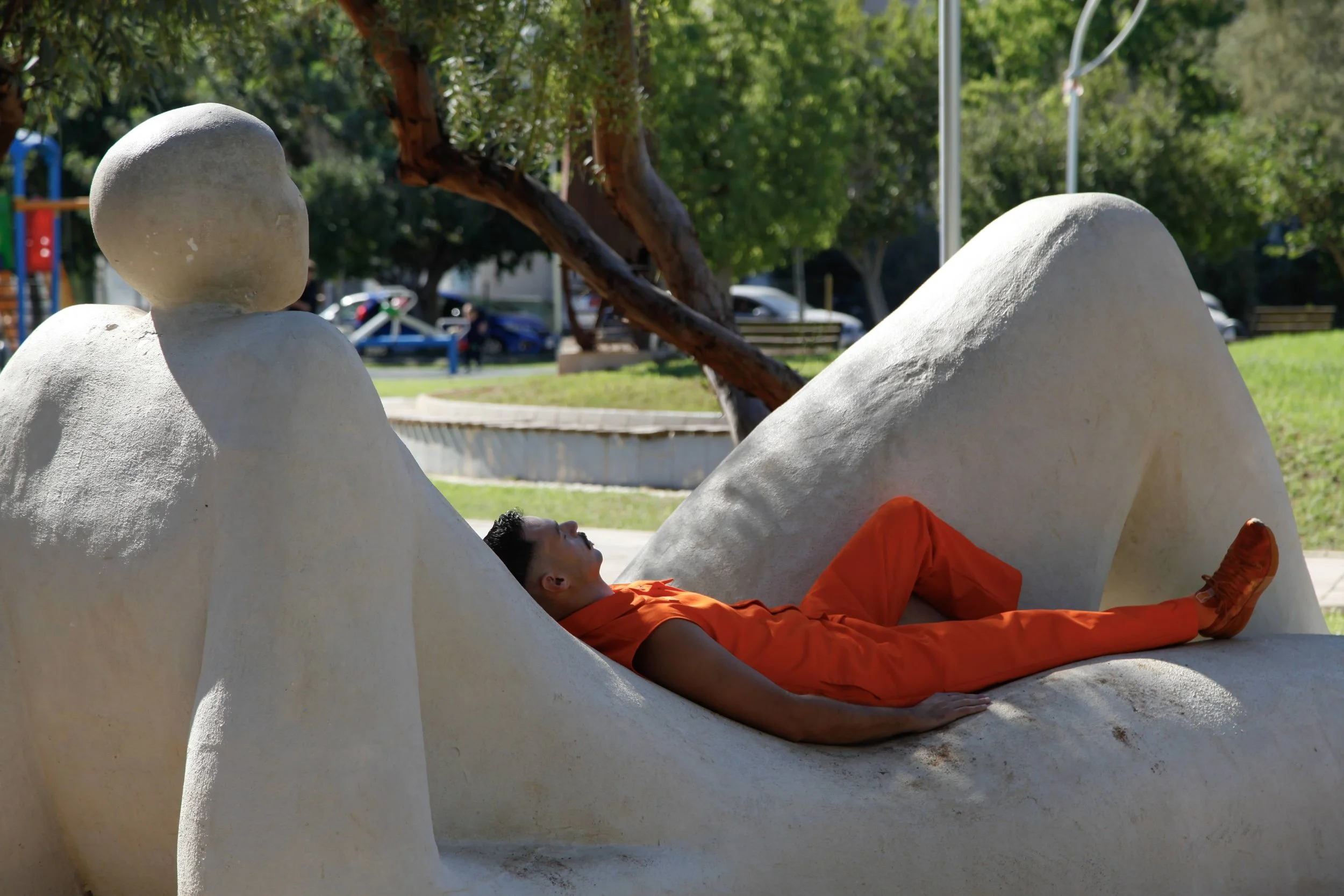
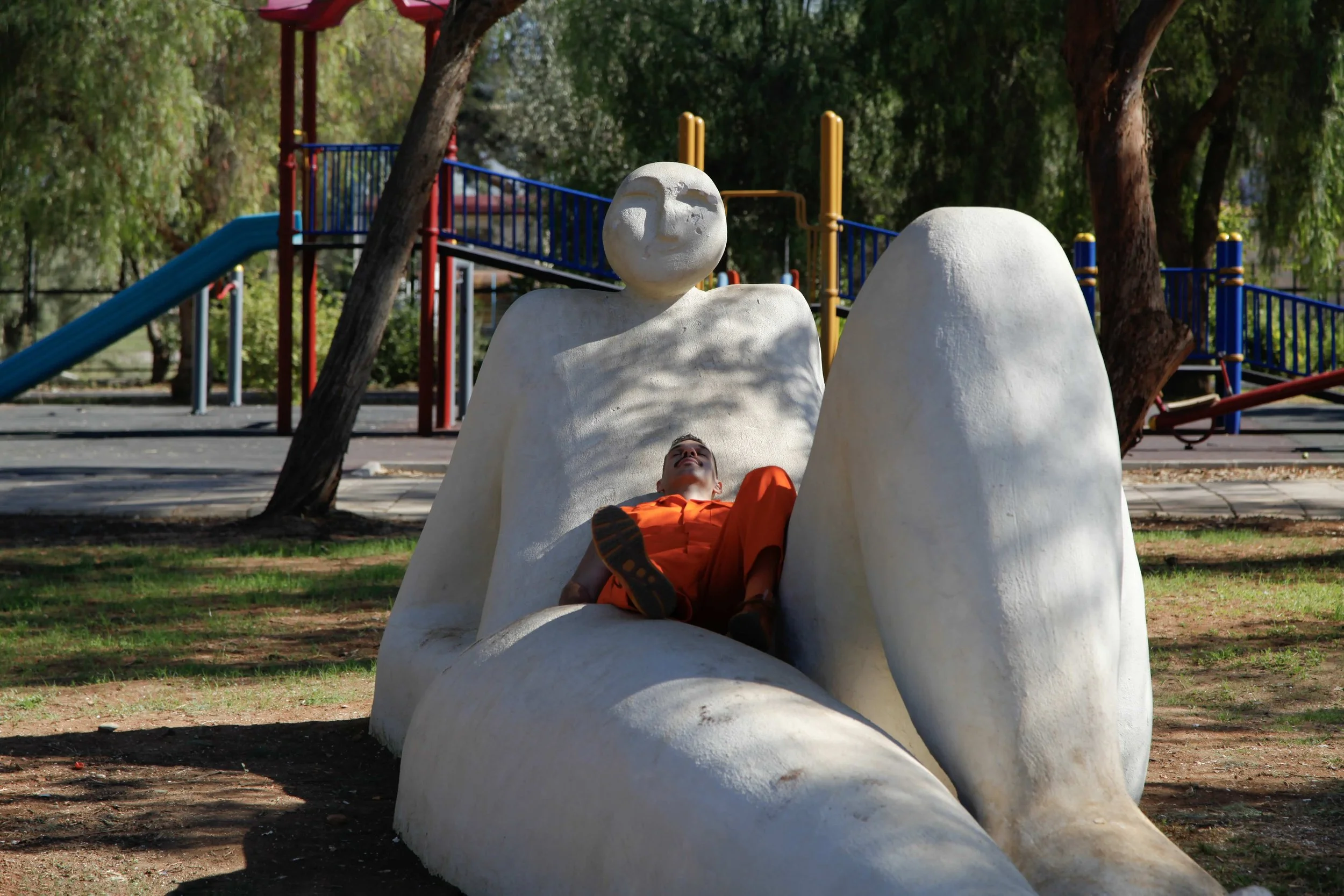
"Of Monumental: Filming Sessions", Photography: Volume Films
IV. "Liberty Monument" by Ioannis Notaras (1973, Nicosia)
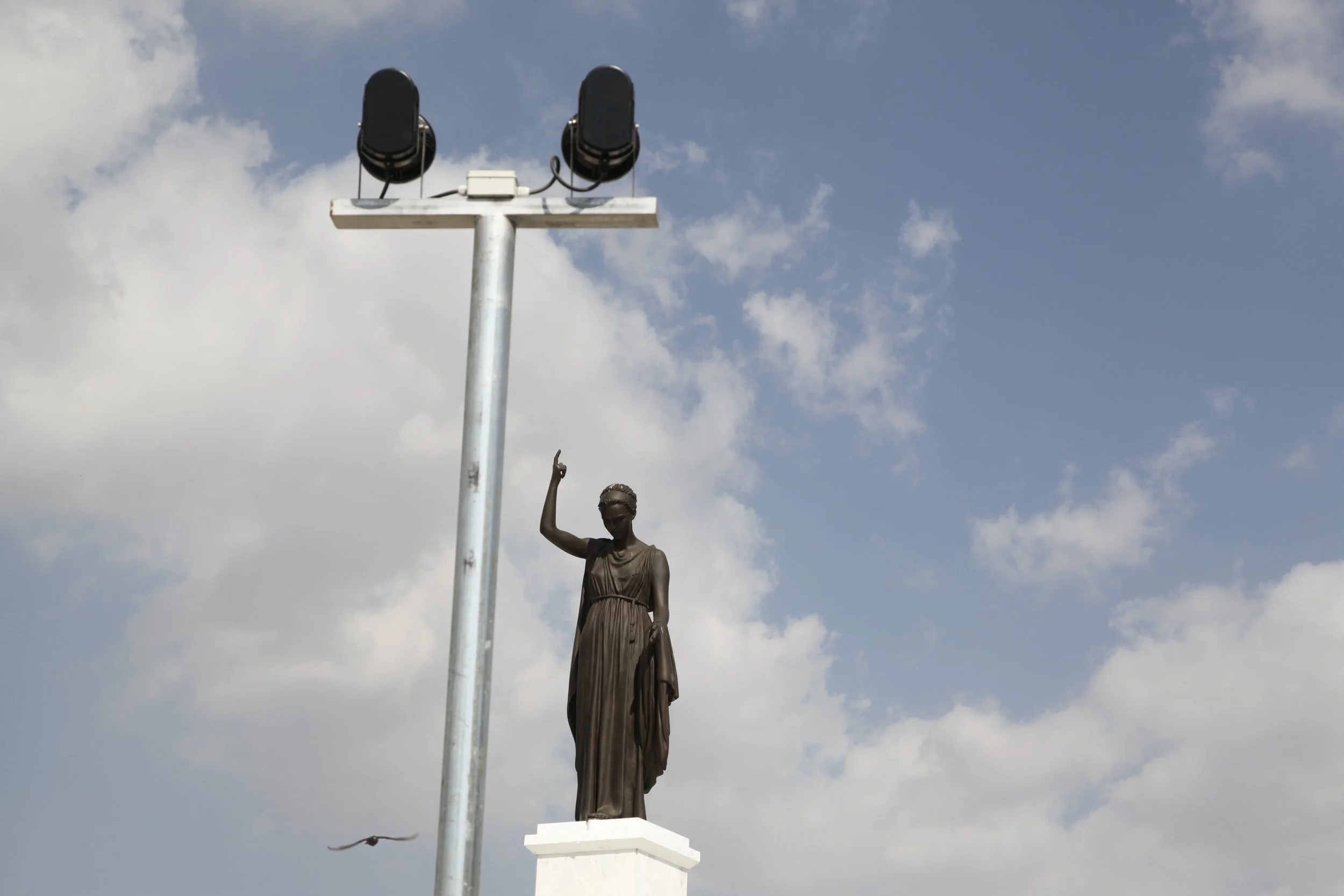
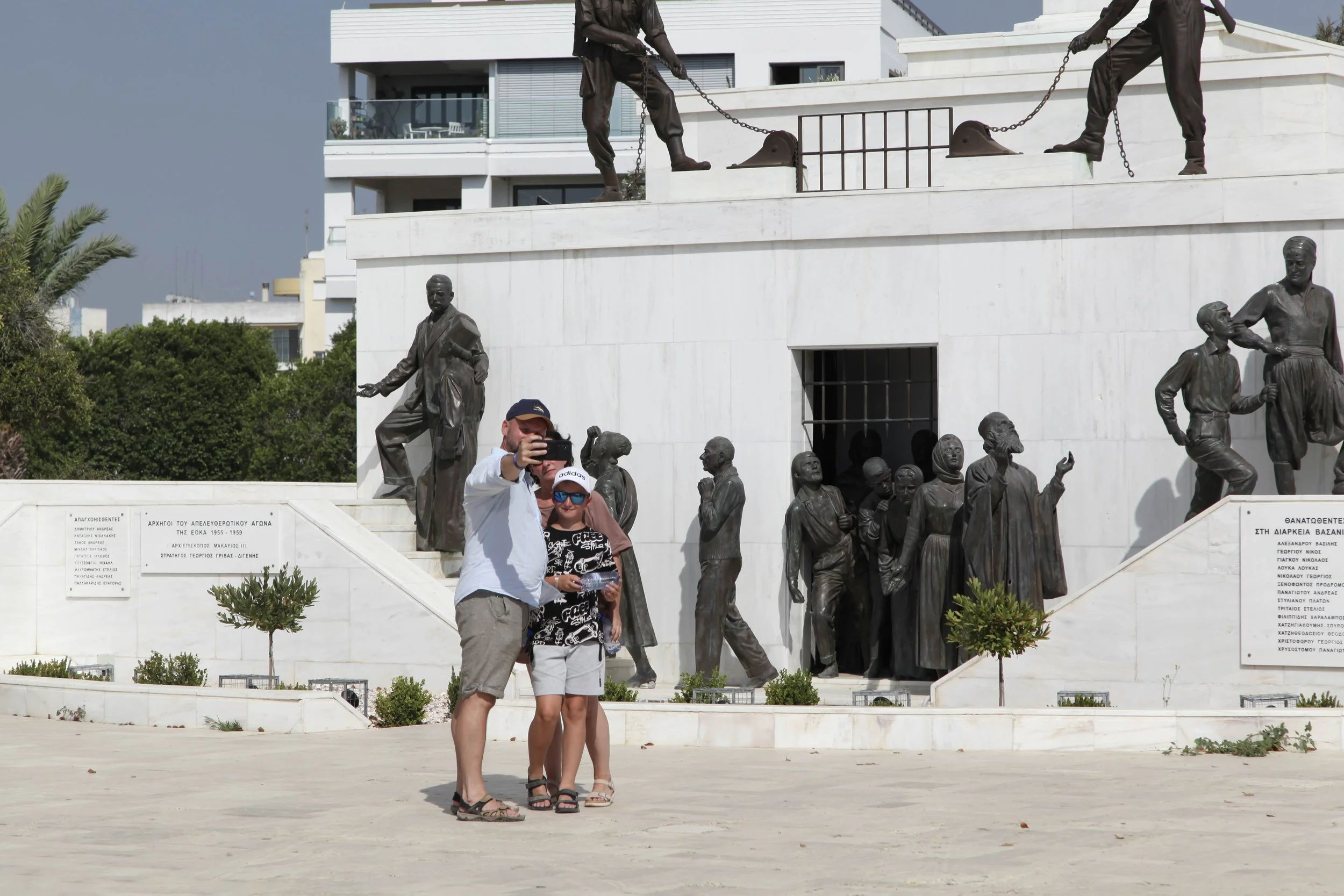
"Conversation with Notaras", Photography: PASHIAS
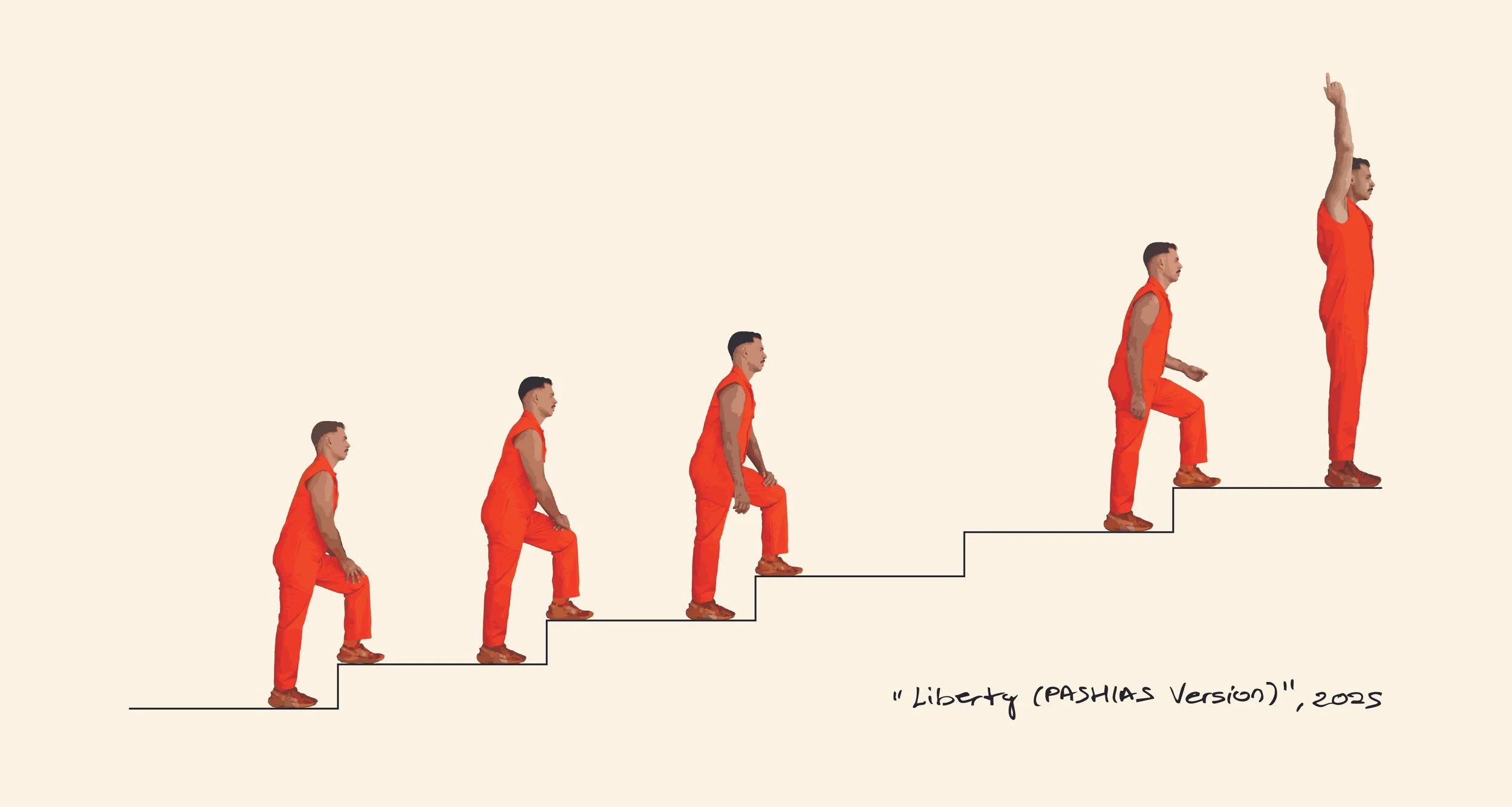
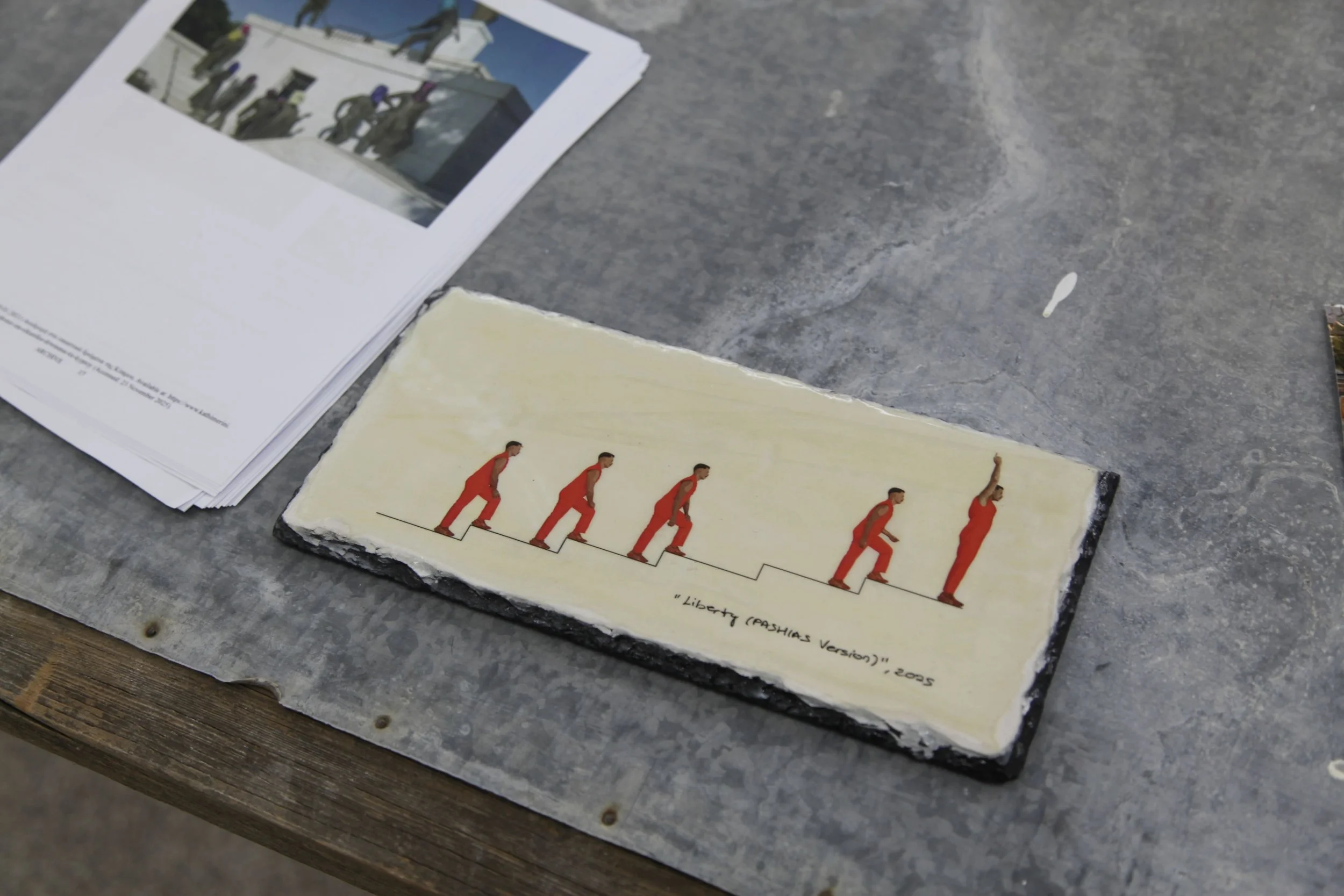
"Liberty (PASHIAS Version)", Digital Sketch
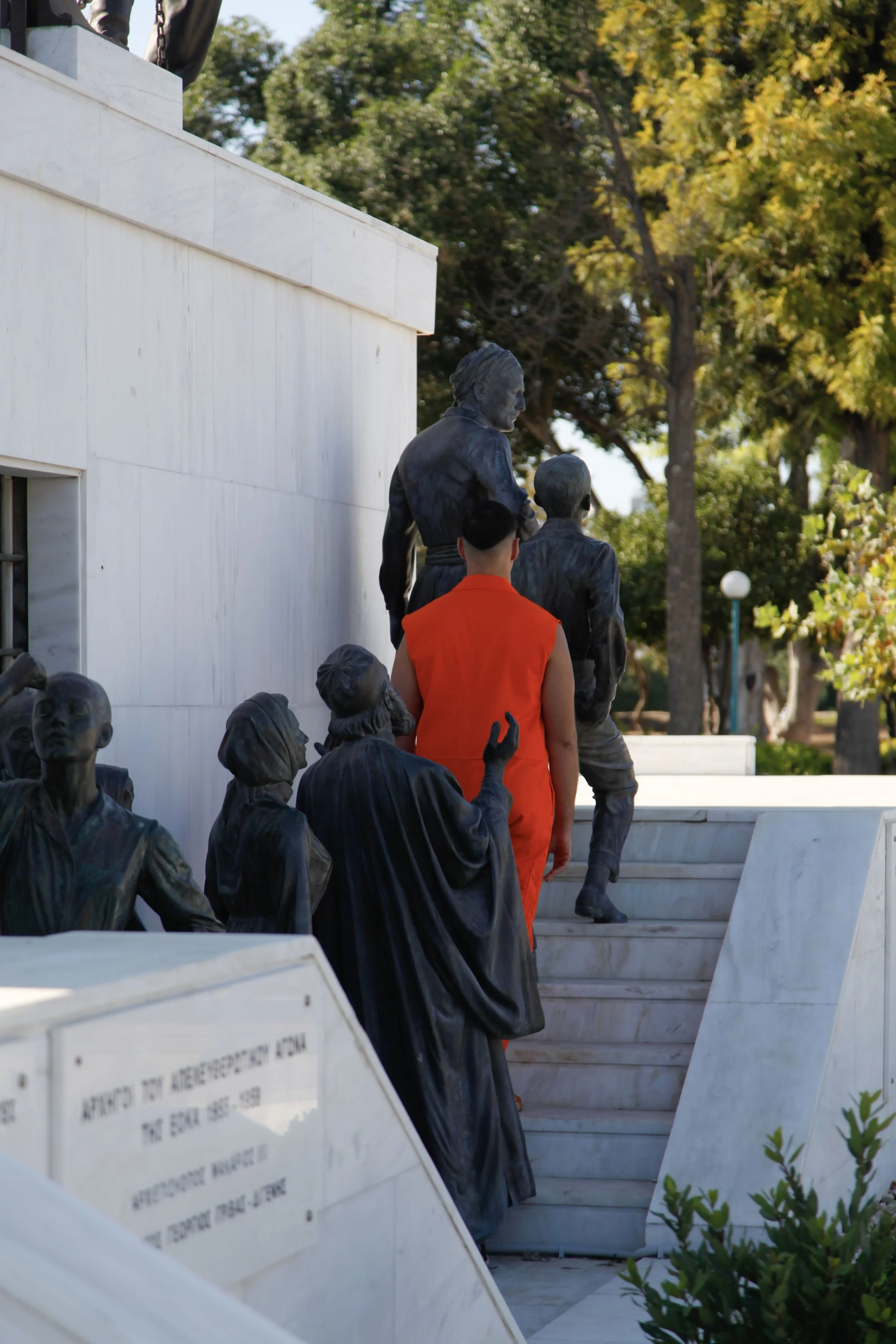
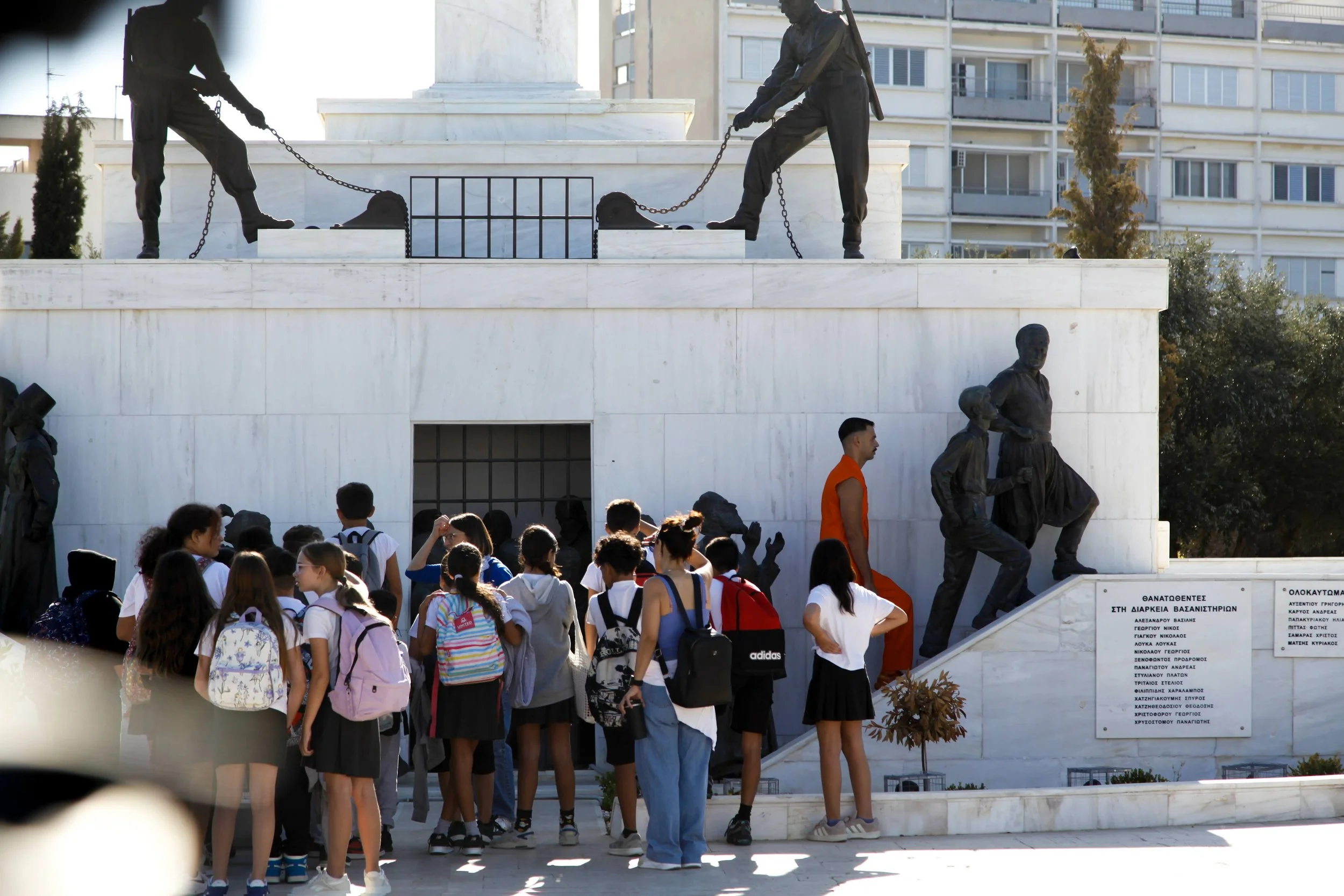
"Of Monumental: Filming Sessions", Photography: Volume Films
V. "Jaffa Orange" by Sevcan Çerkez (2015, Lefke)
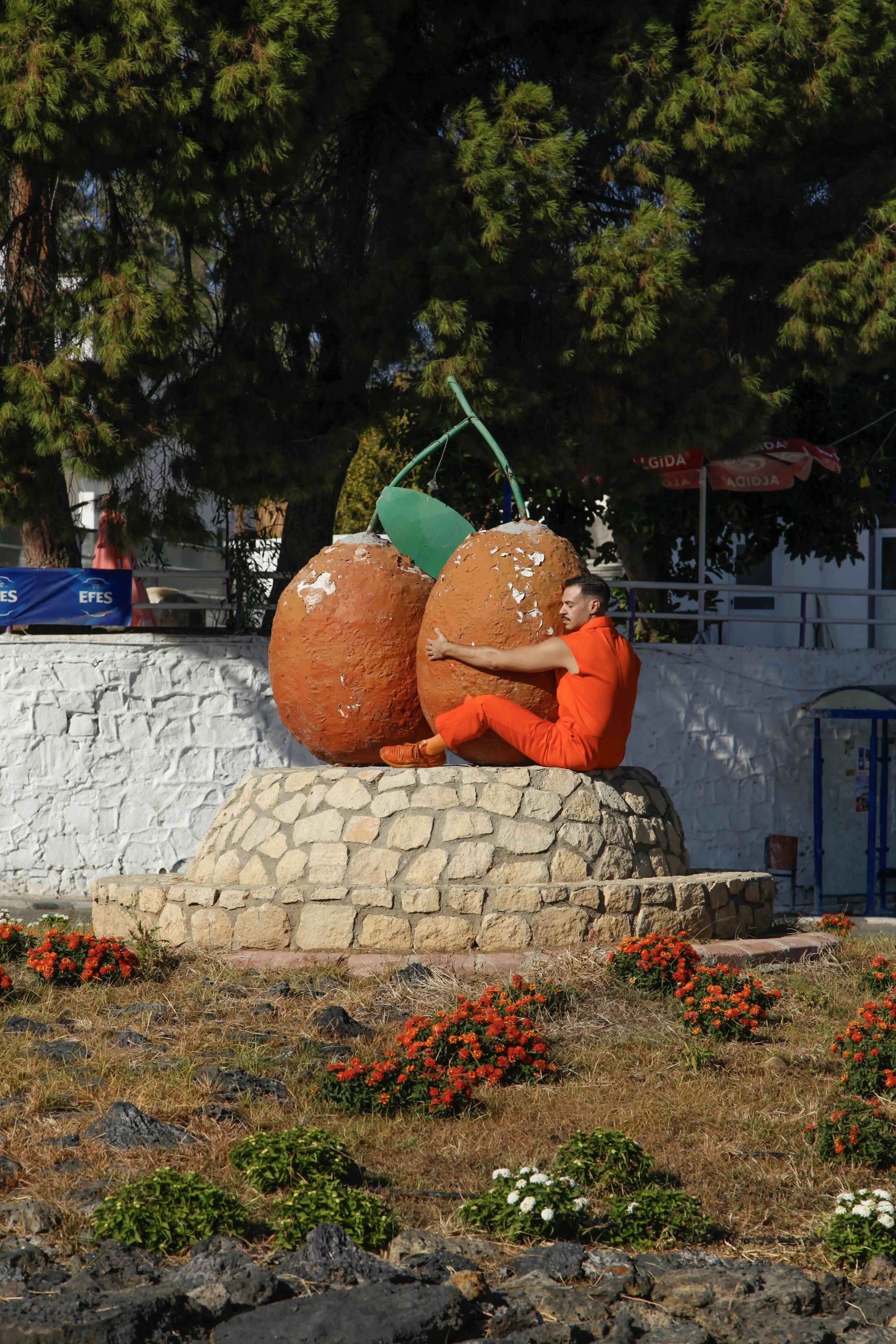
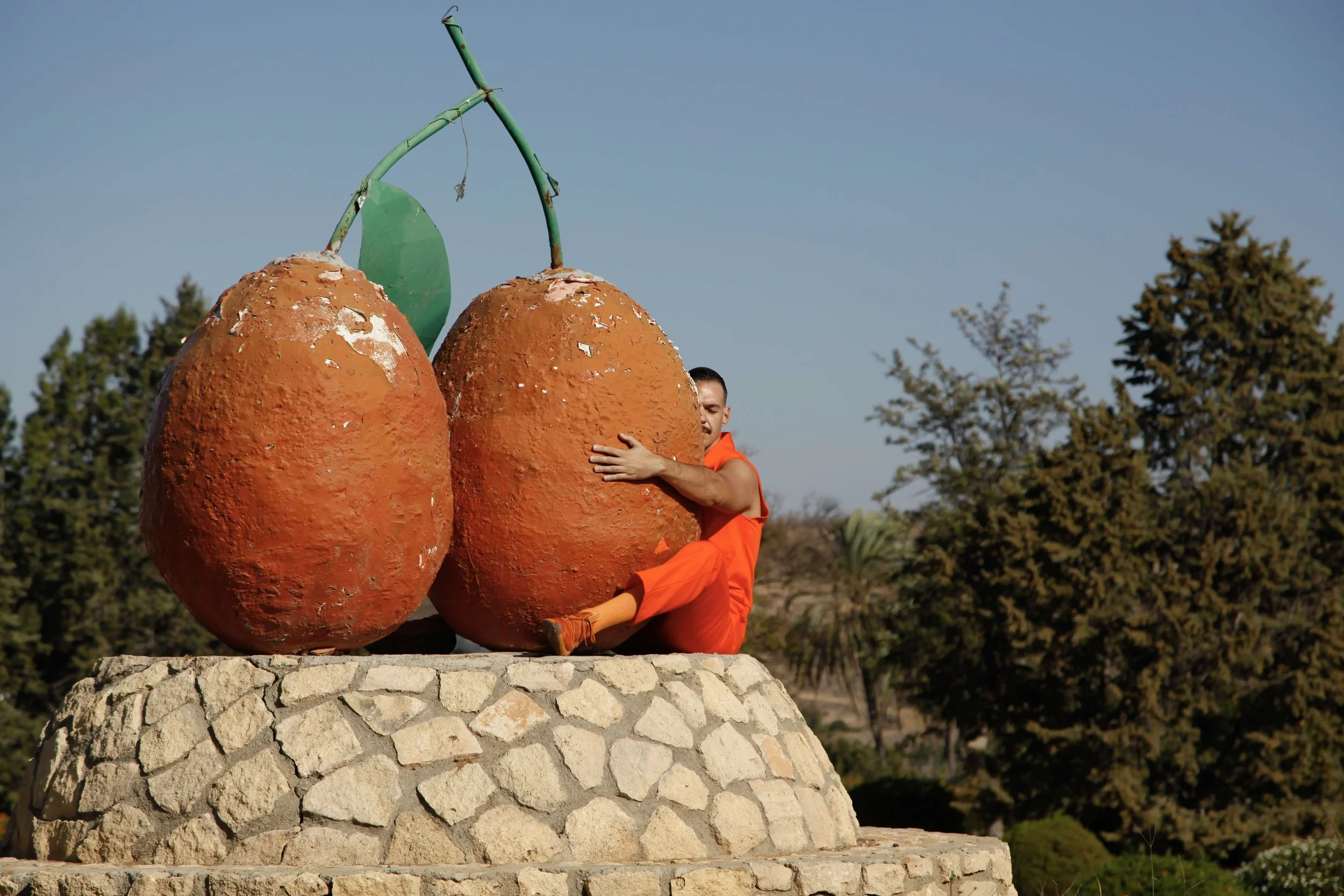
"Of Monumental: Filming Sessions", Photography: Volume Films
VI. "Clepsydra" by Theodoulos Gregoriou (2009, Larnaca)
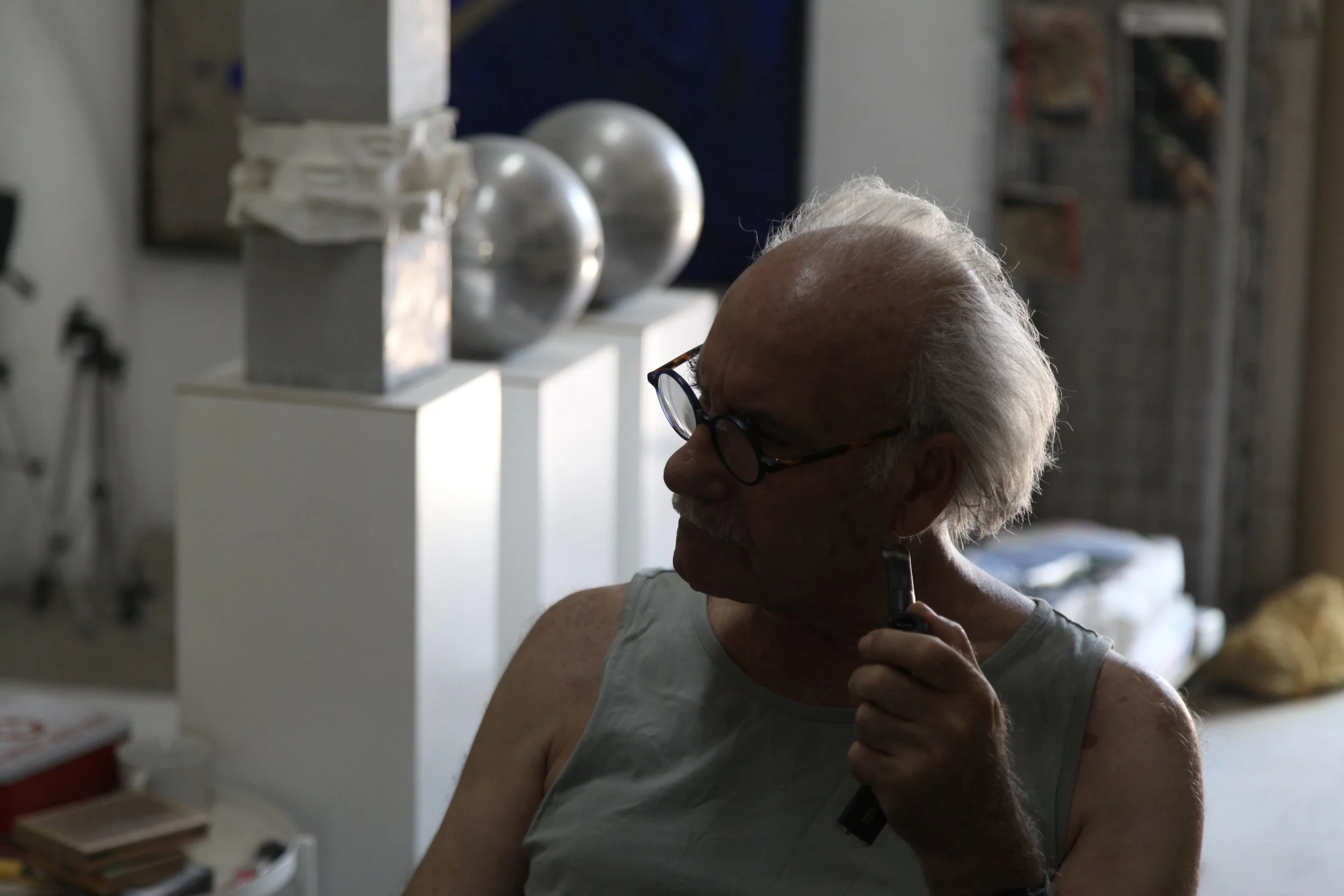
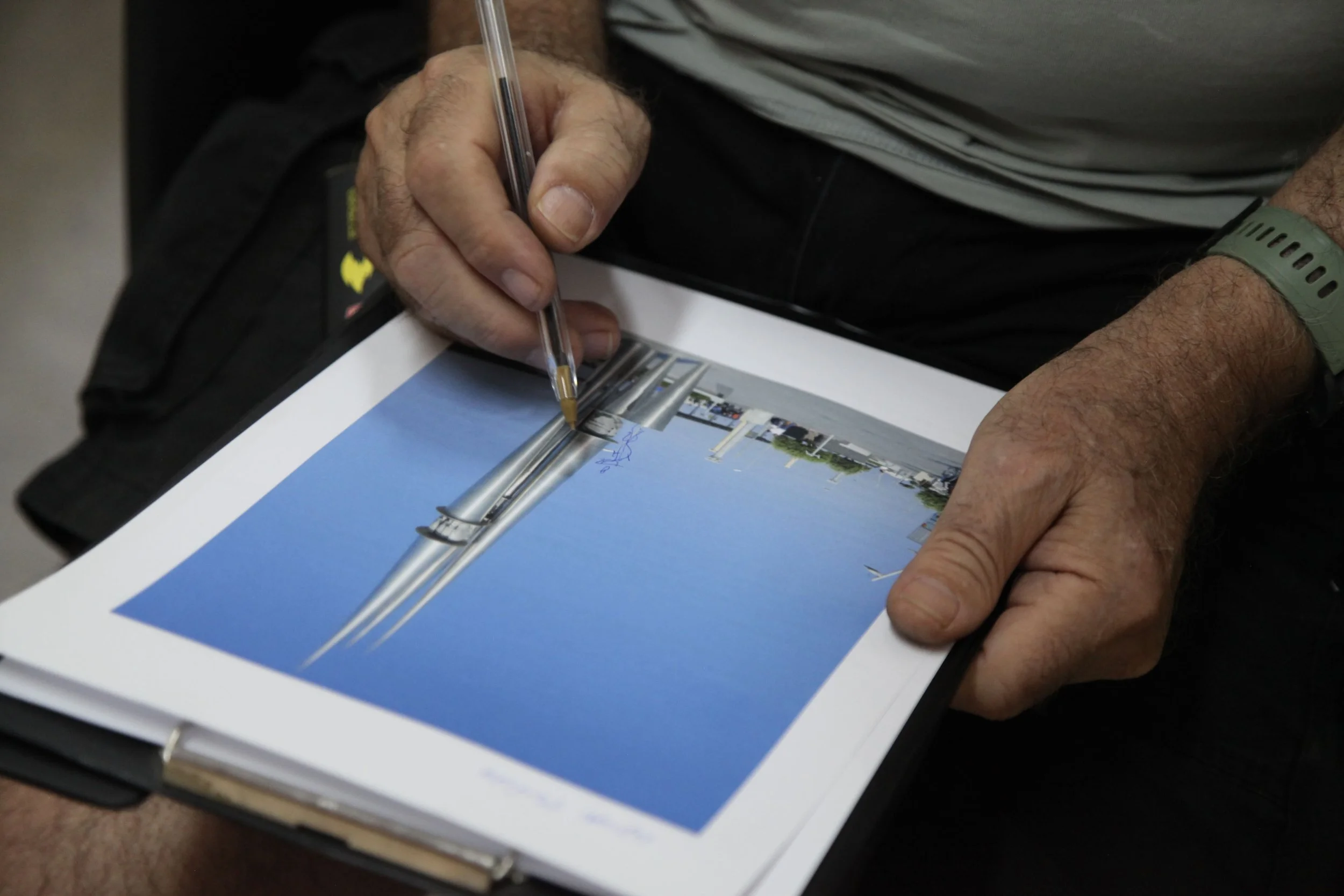
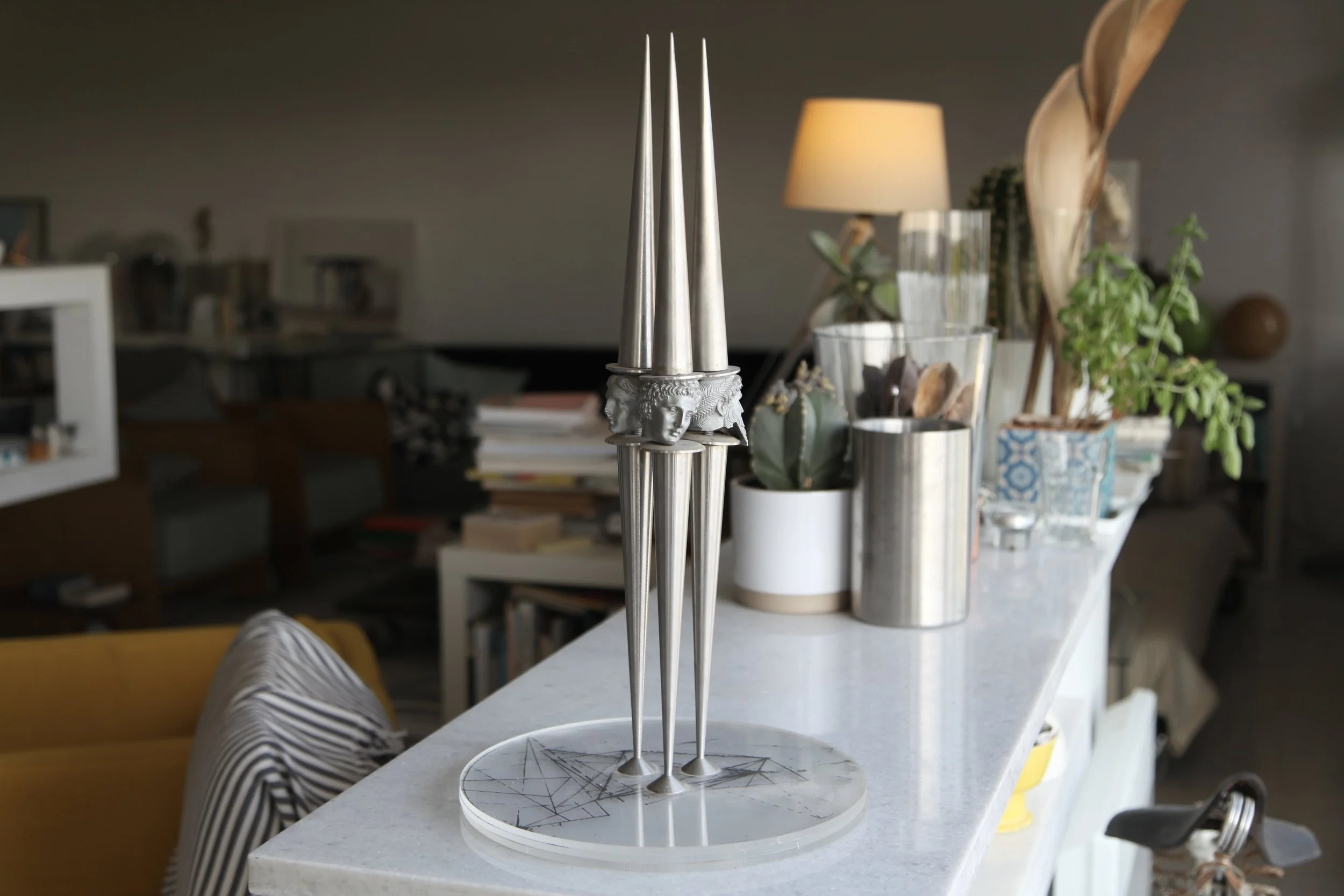
"Conversation with Theodoulos", Photography: PASHIAS
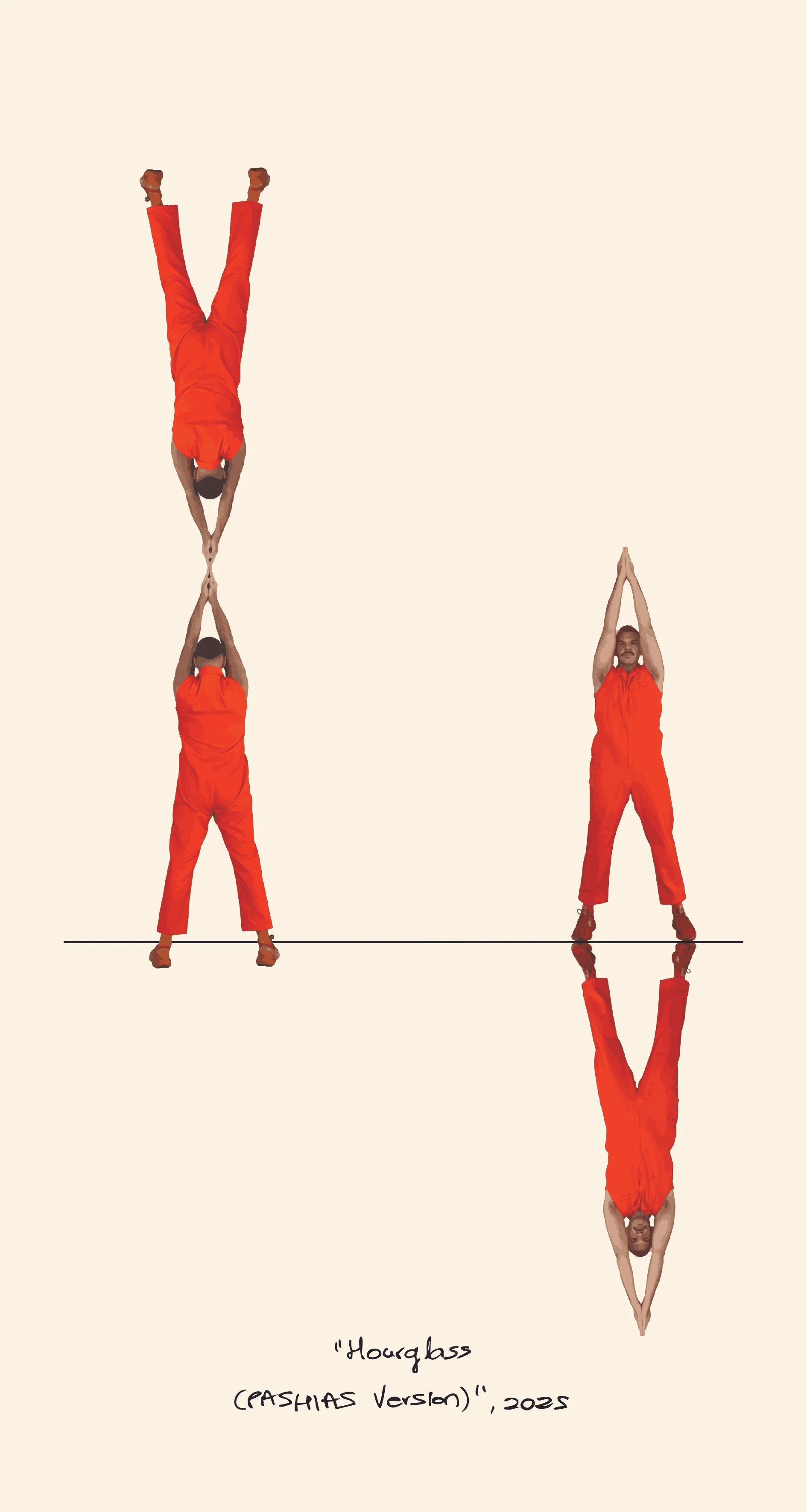
"Hourglass (PASHIAS Version)", Digital Sketch
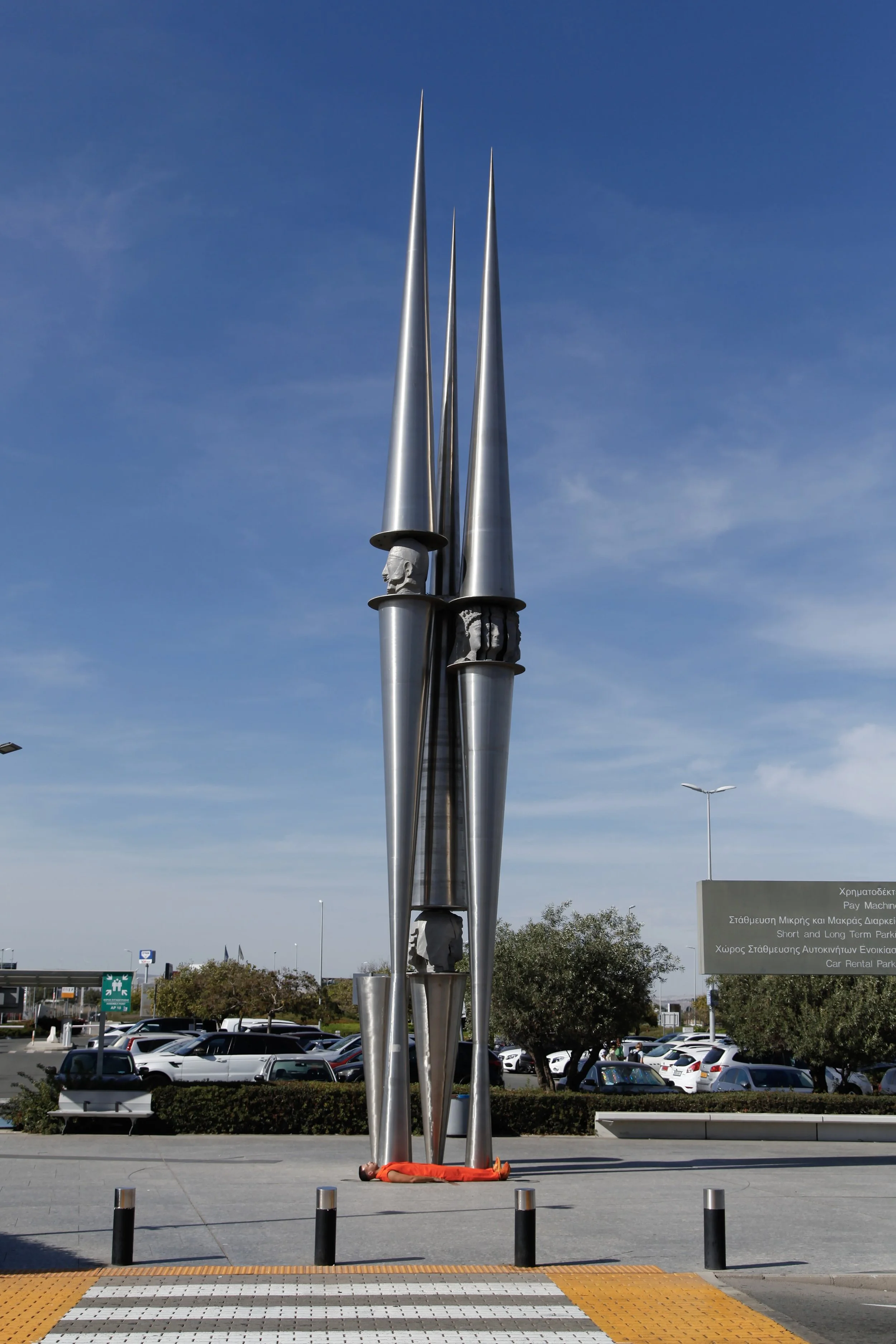
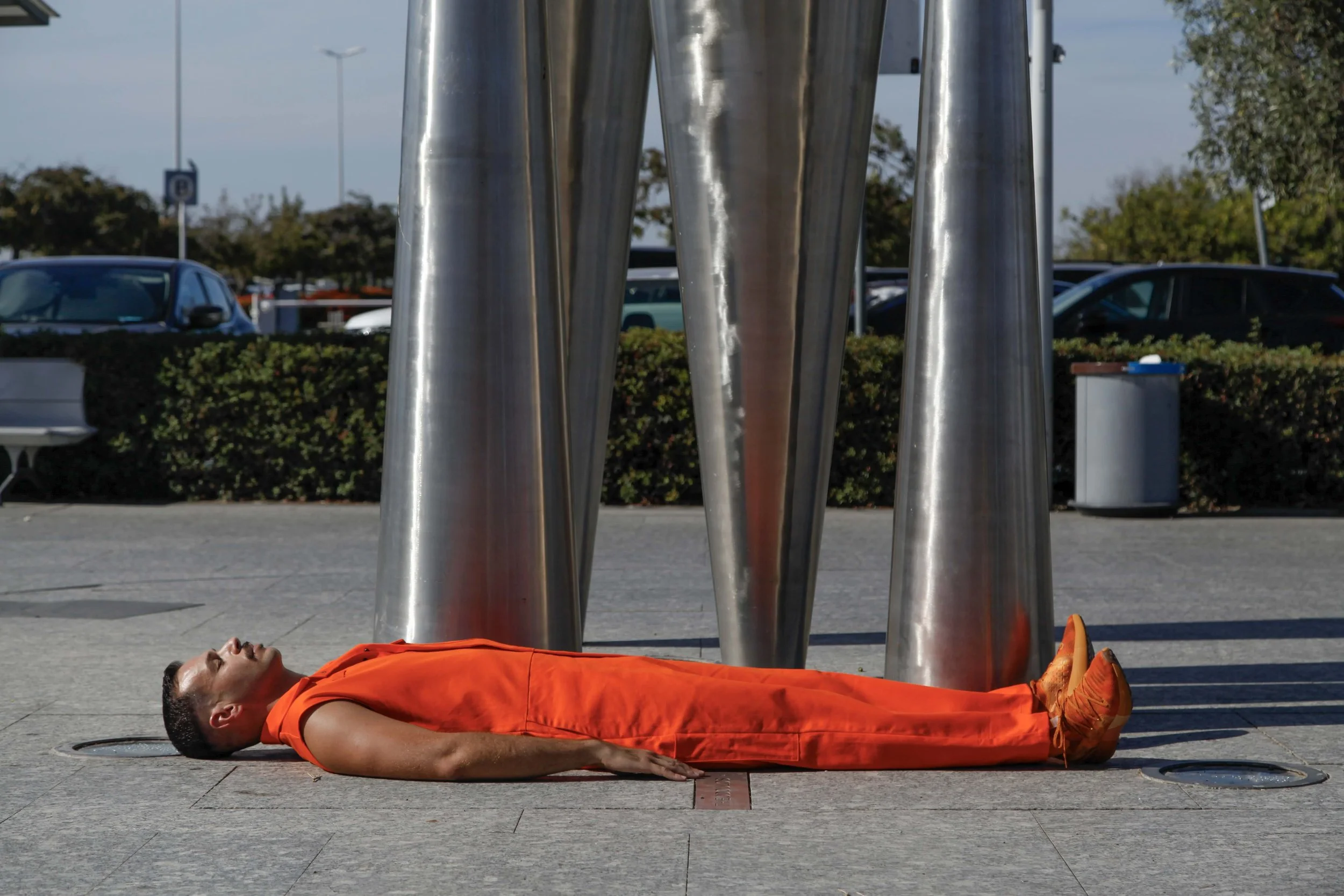
"Of Monumental: Filming Sessions", Photography: Volume Films
VII. "Birth" by Maria Kyprianou (2000, Limassol)
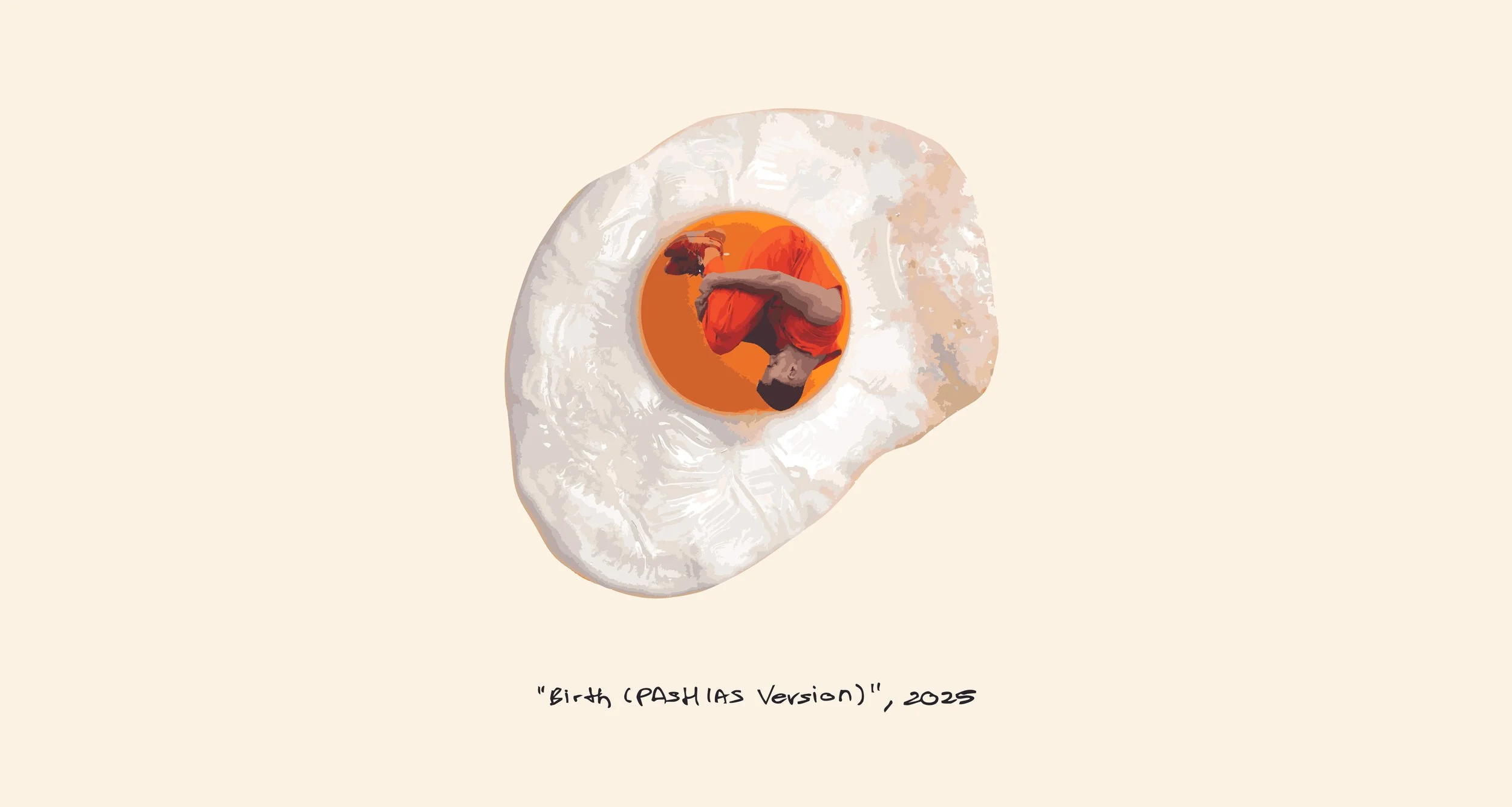
"Birth (PASHIAS Version)", Digital Sketch
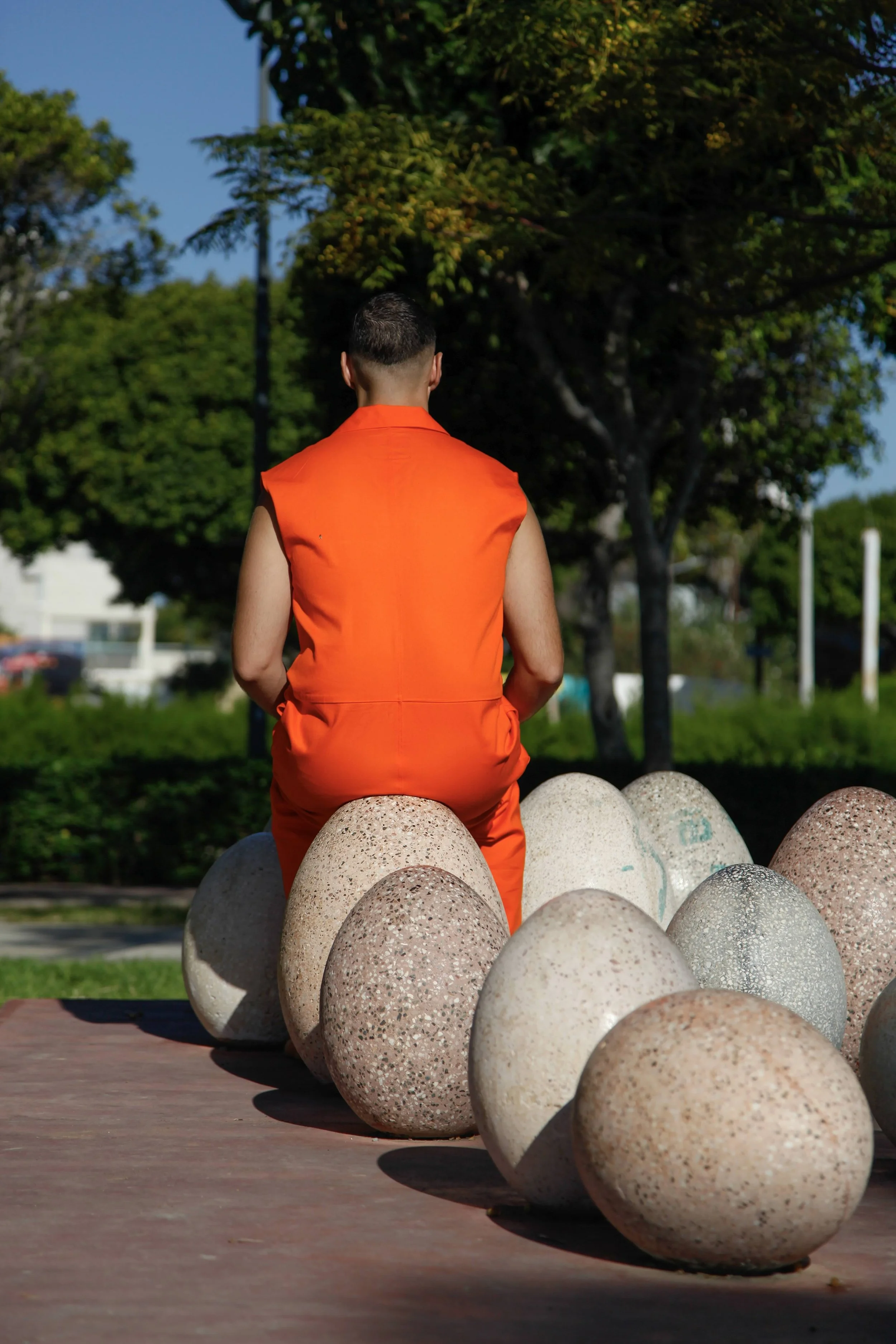
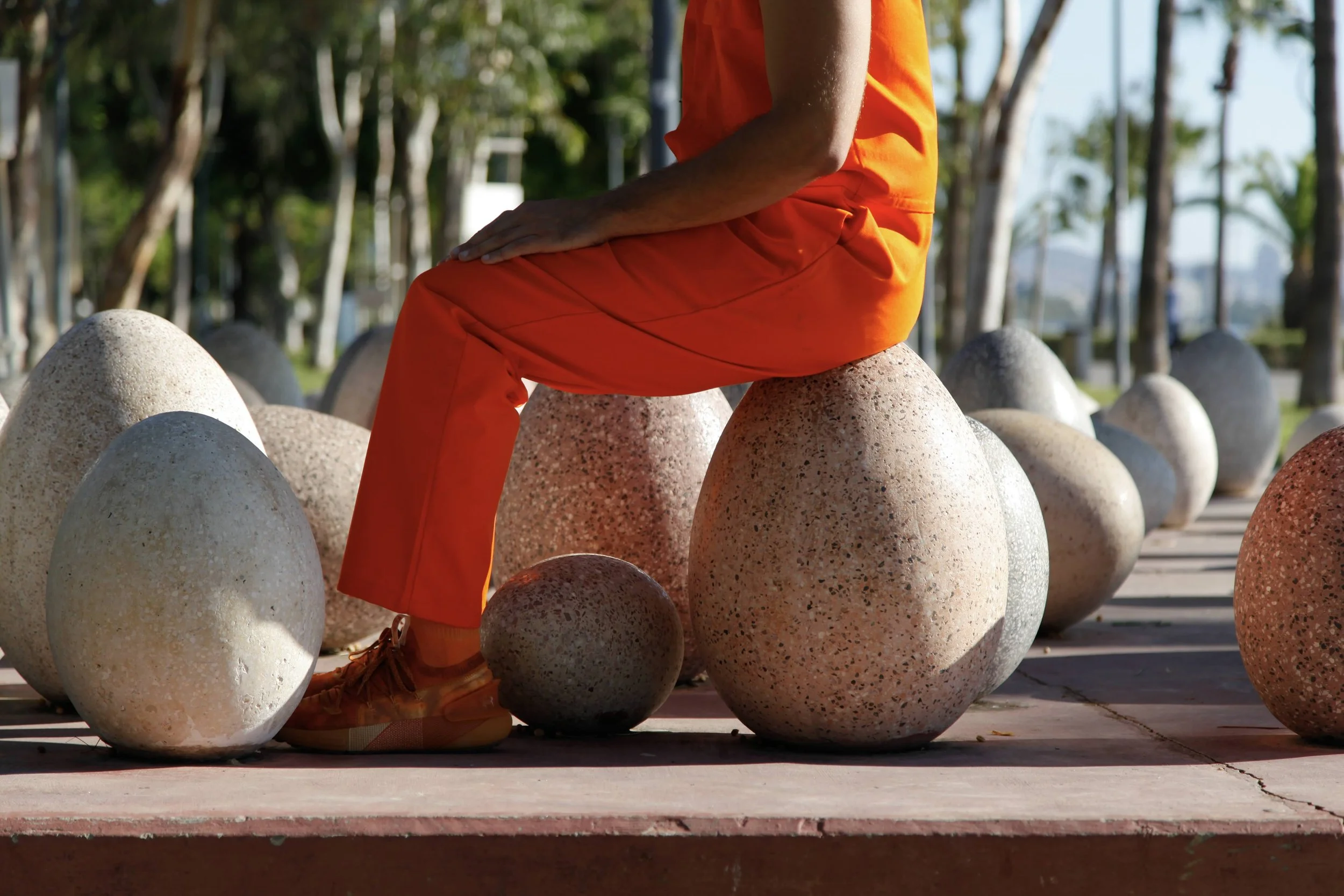
"Of Monumental: Filming Sessions", Photography: Volume Films
VIII. "Democracy Sculpture" by Zehra Şonya (2019, Nicosia)
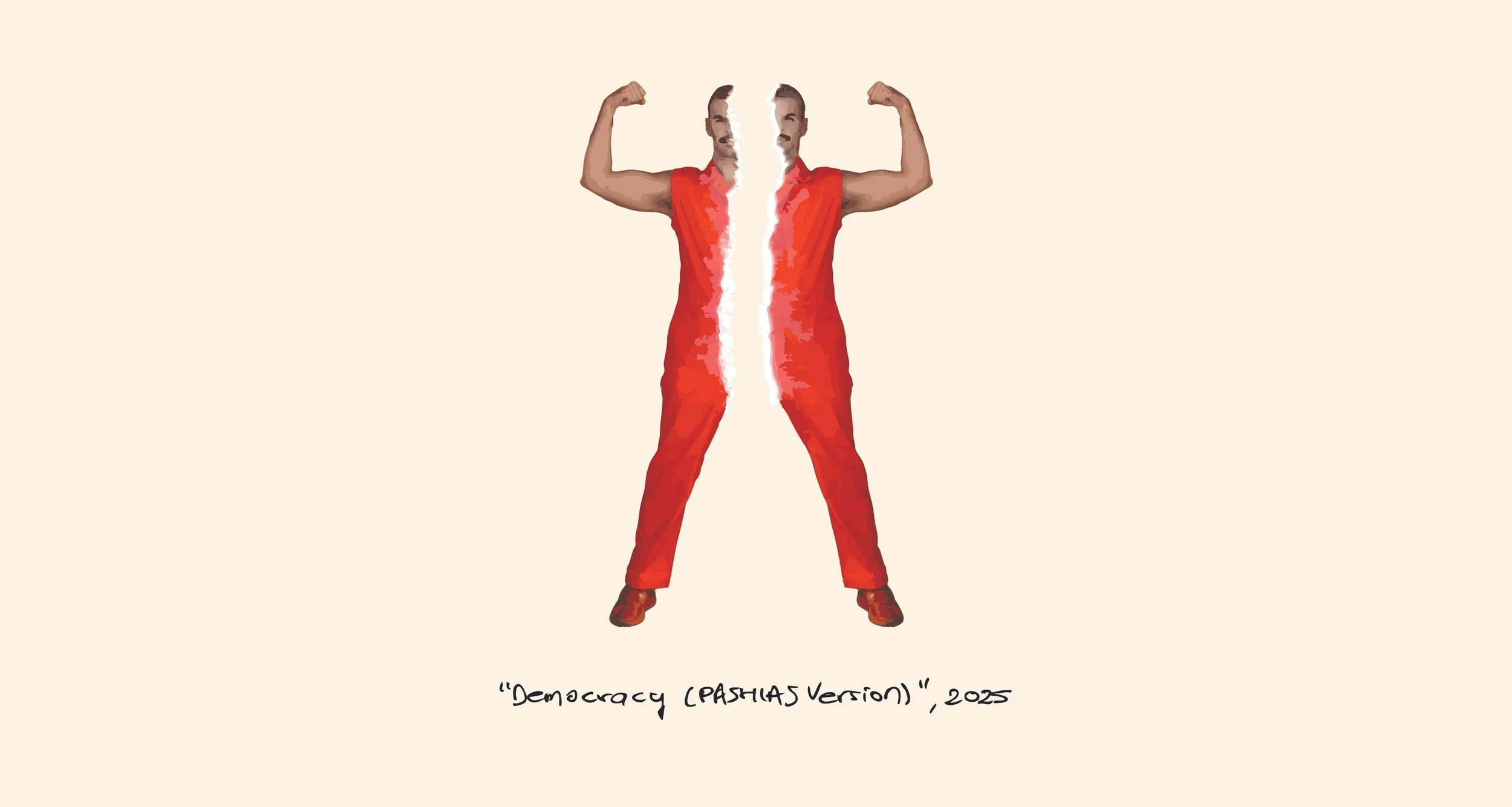
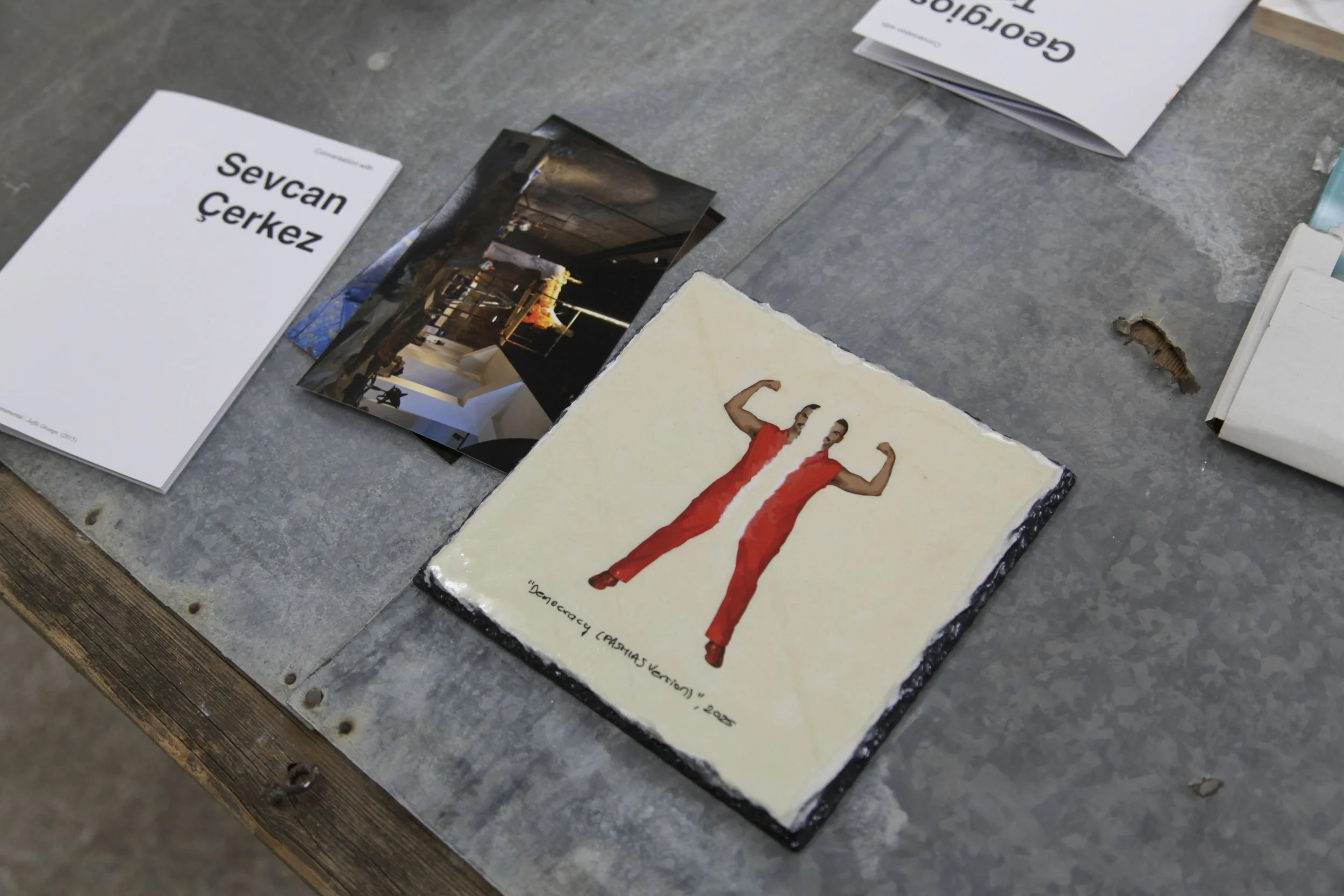
"Democracy (PASHIAS Version)", Digital Sketch
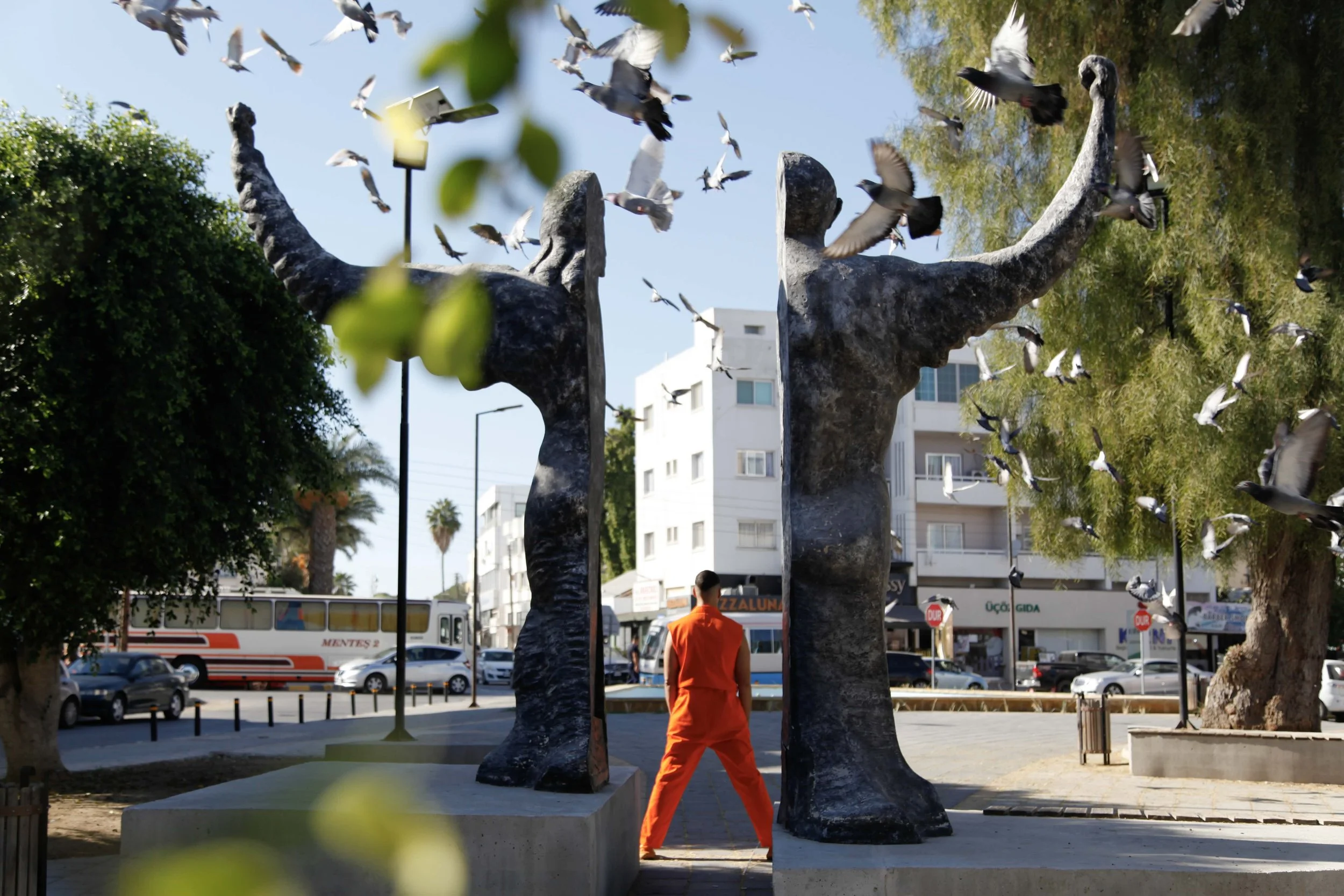
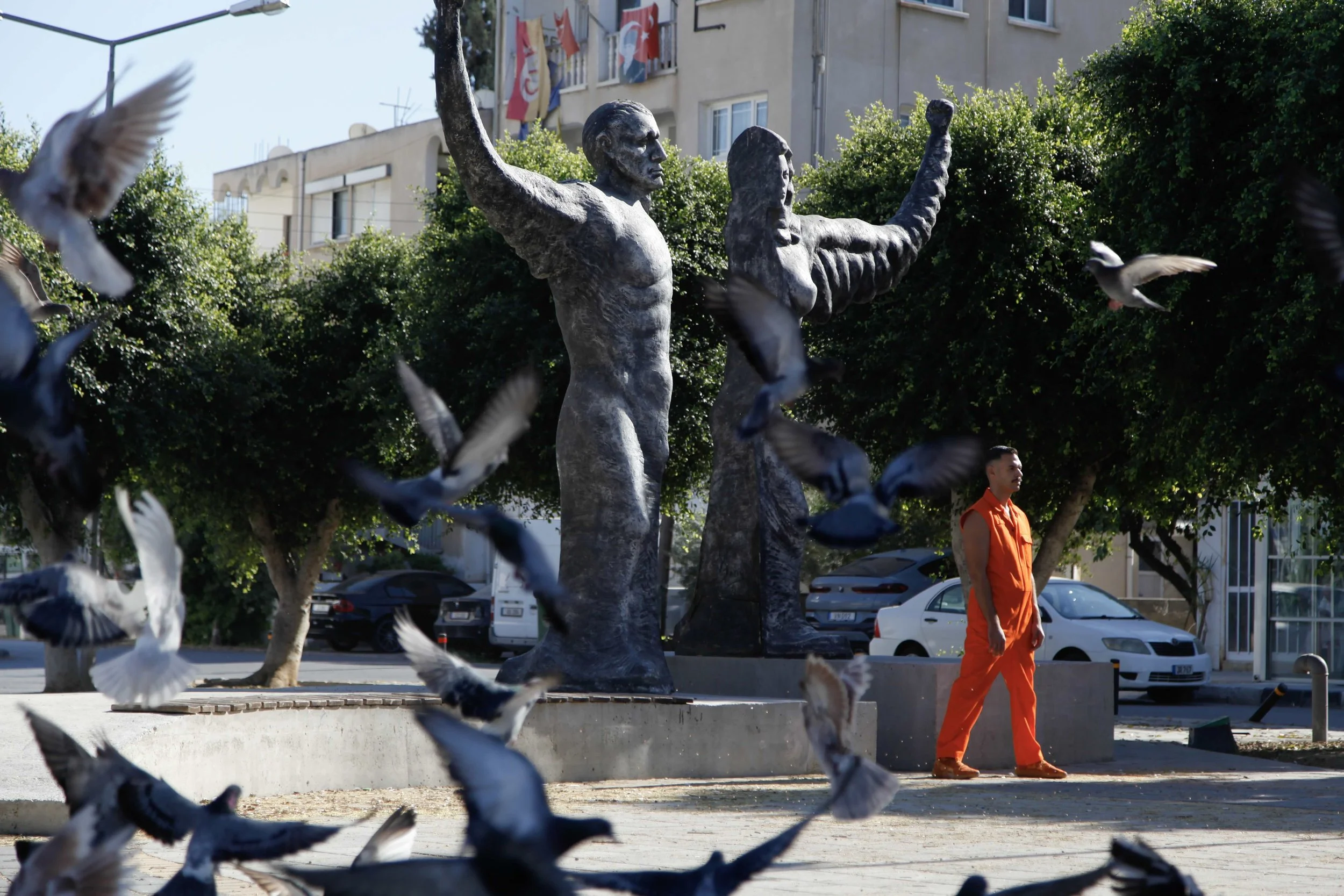
"Of Monumental: Filming Sessions", Photography: Volume Films
IX. "The Big Potato" (2021, Xylophagou)
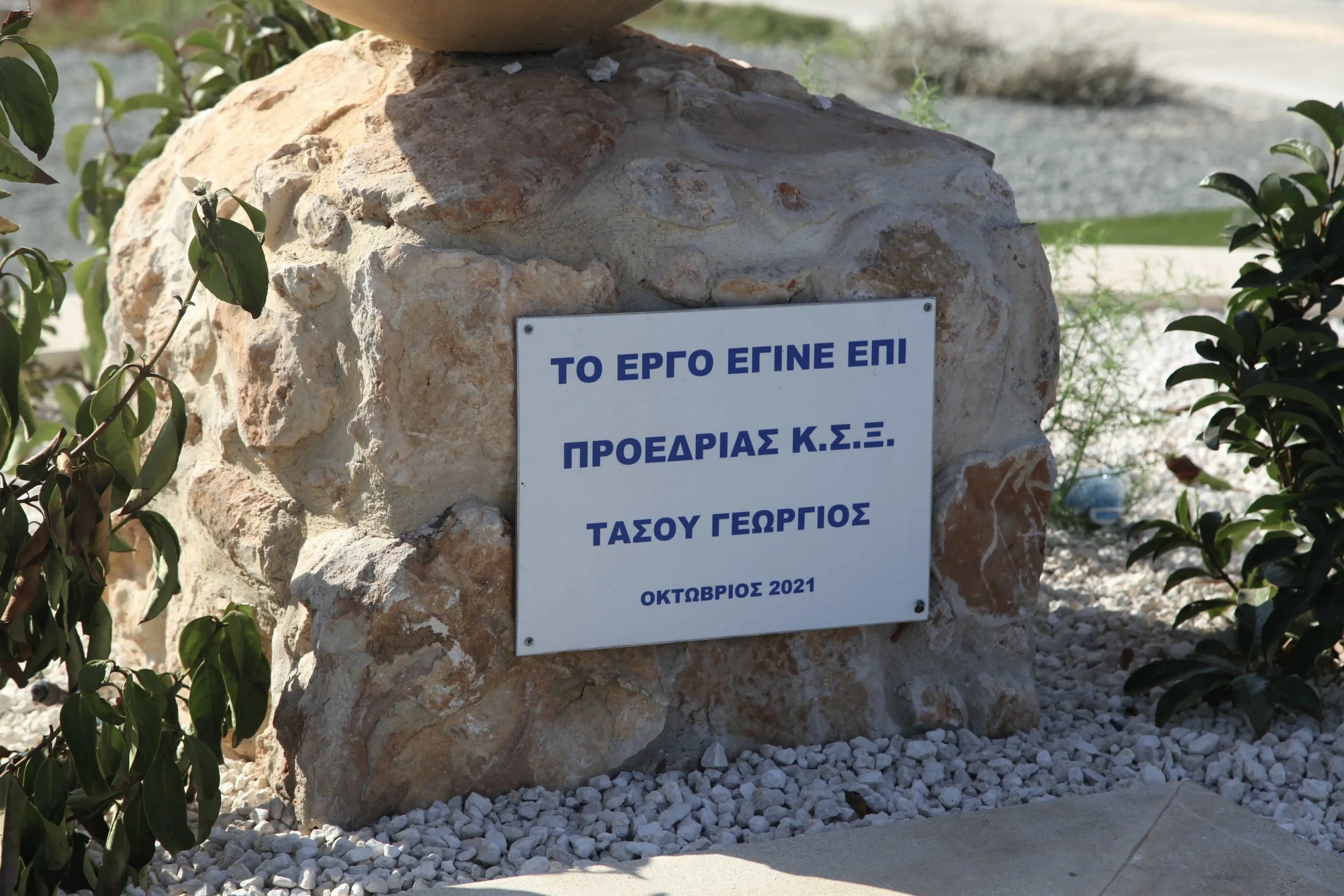
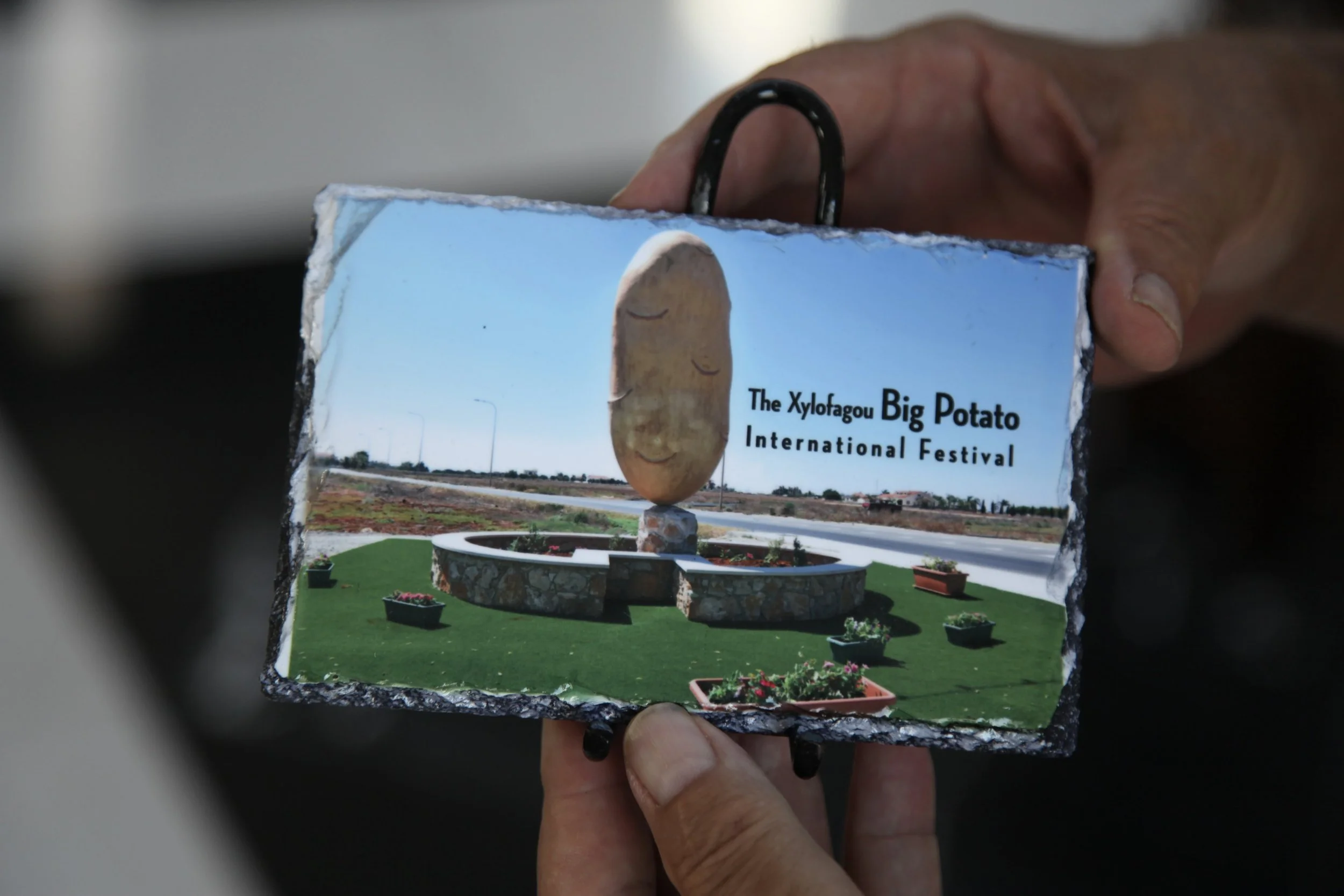
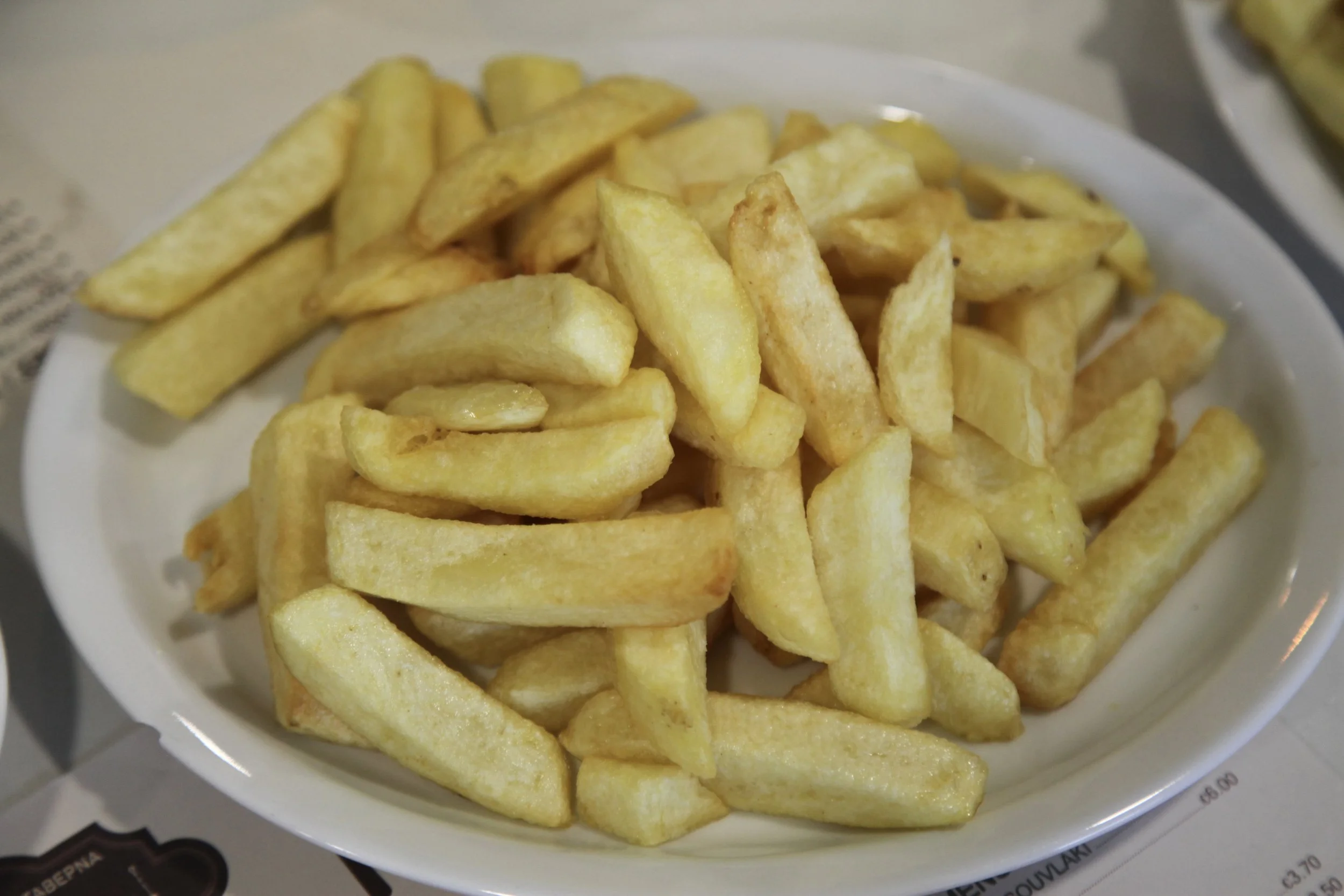
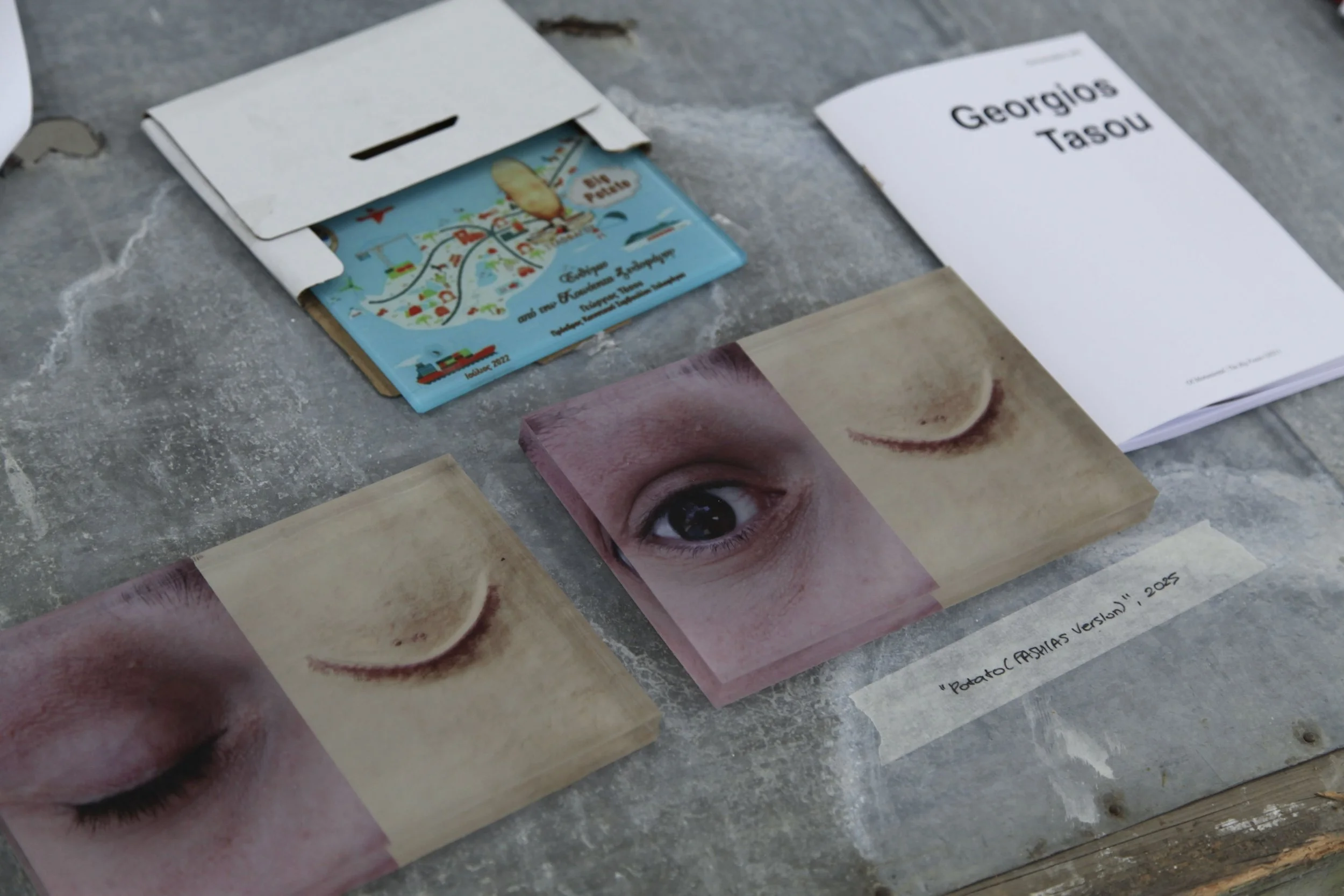
"Conversation with Tasou", Photography: PASHIAS
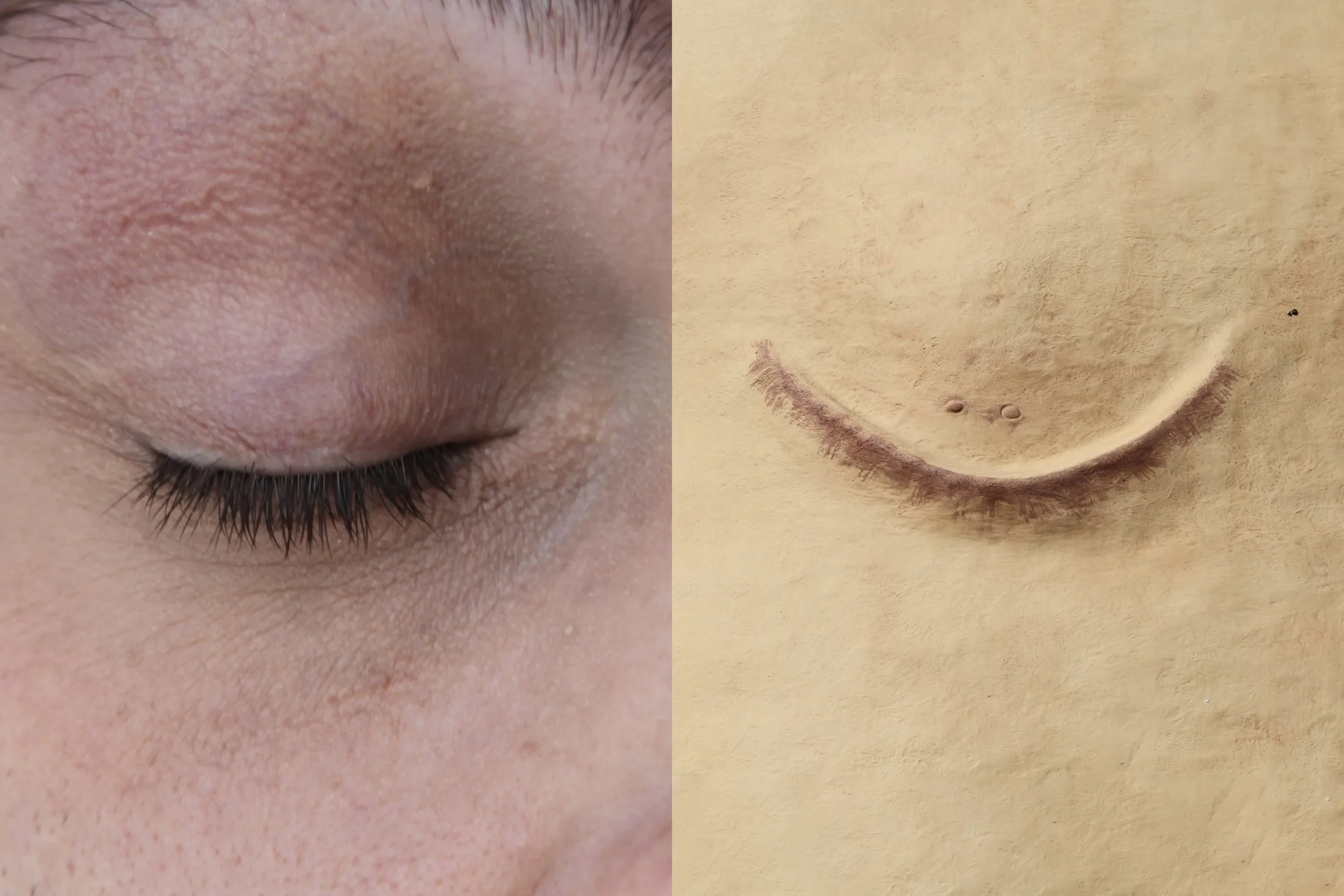
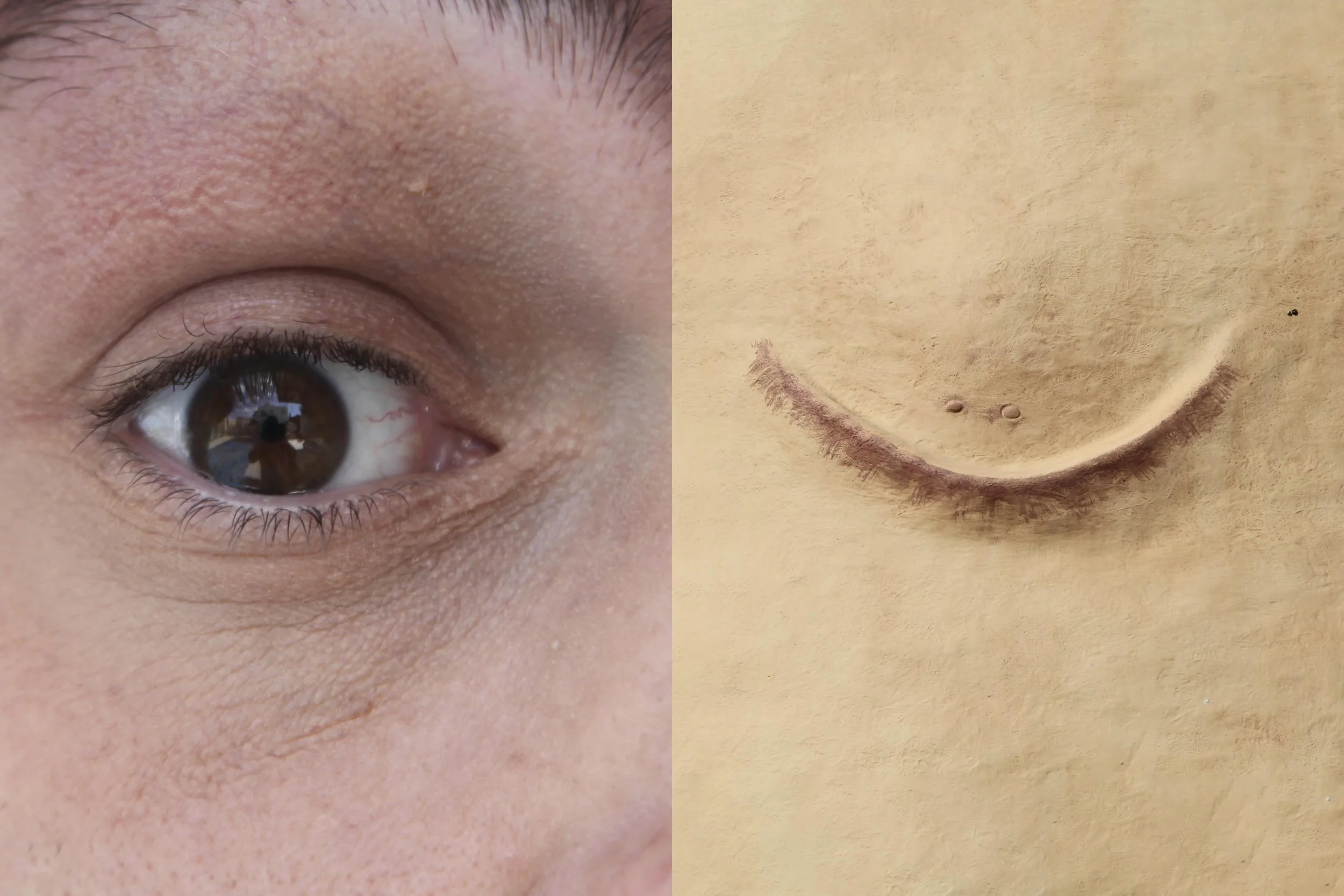
"Potato (PASHIAS Version)", Photography
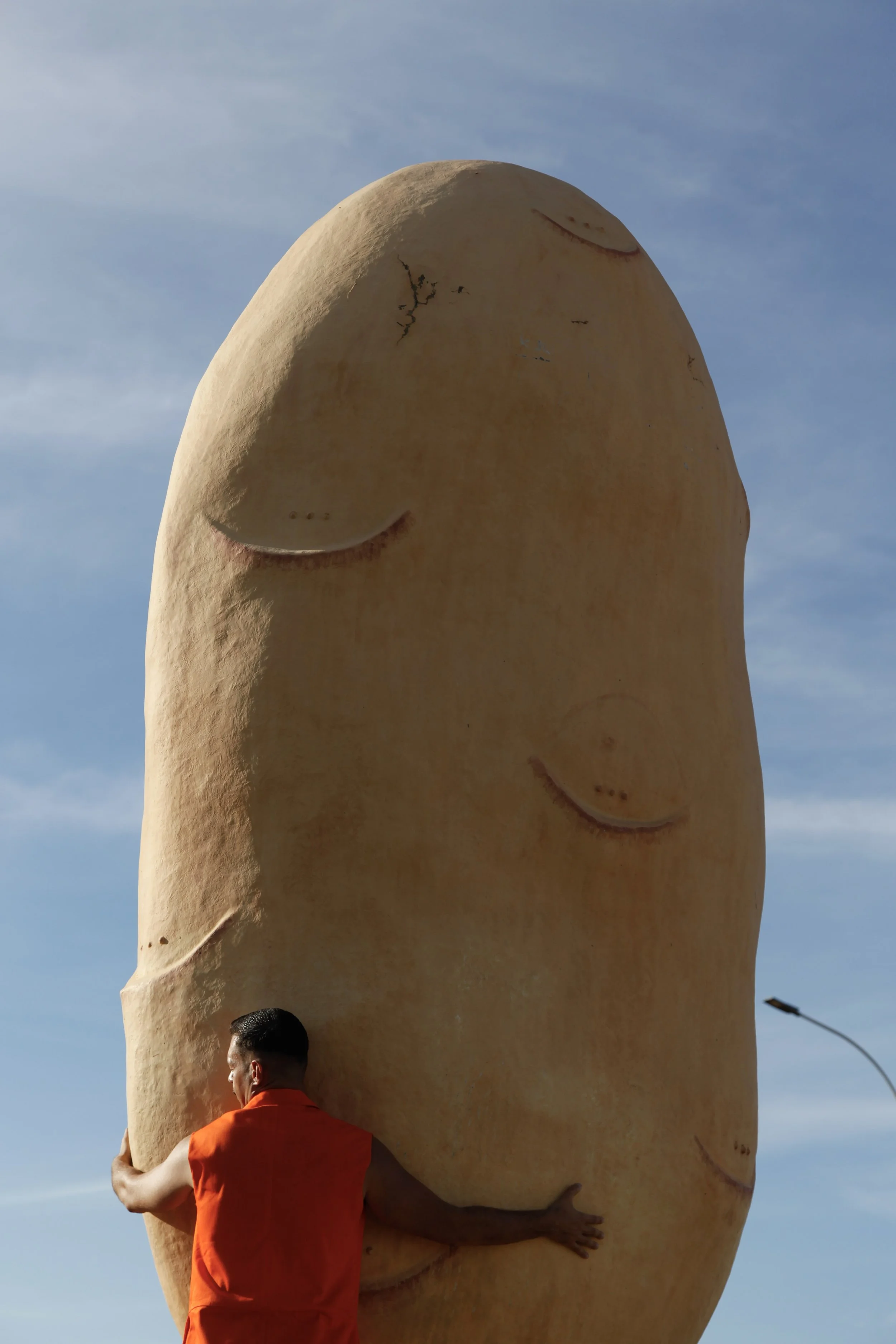
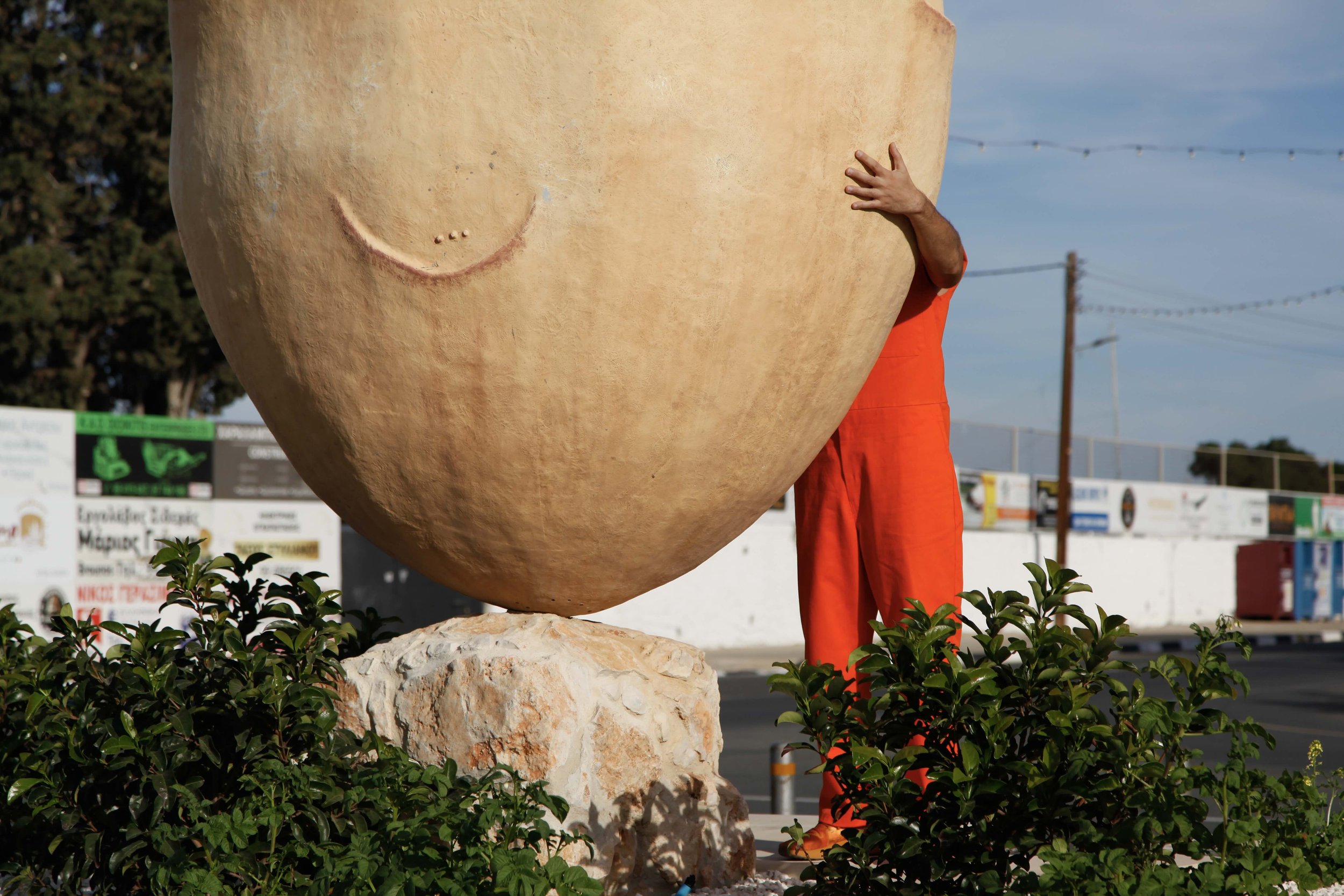
"Of Monumental: Filming Sessions", Photography: Volume Films
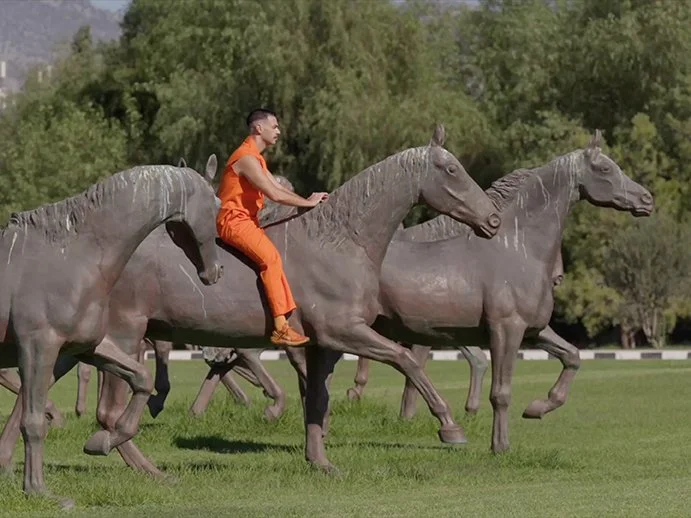
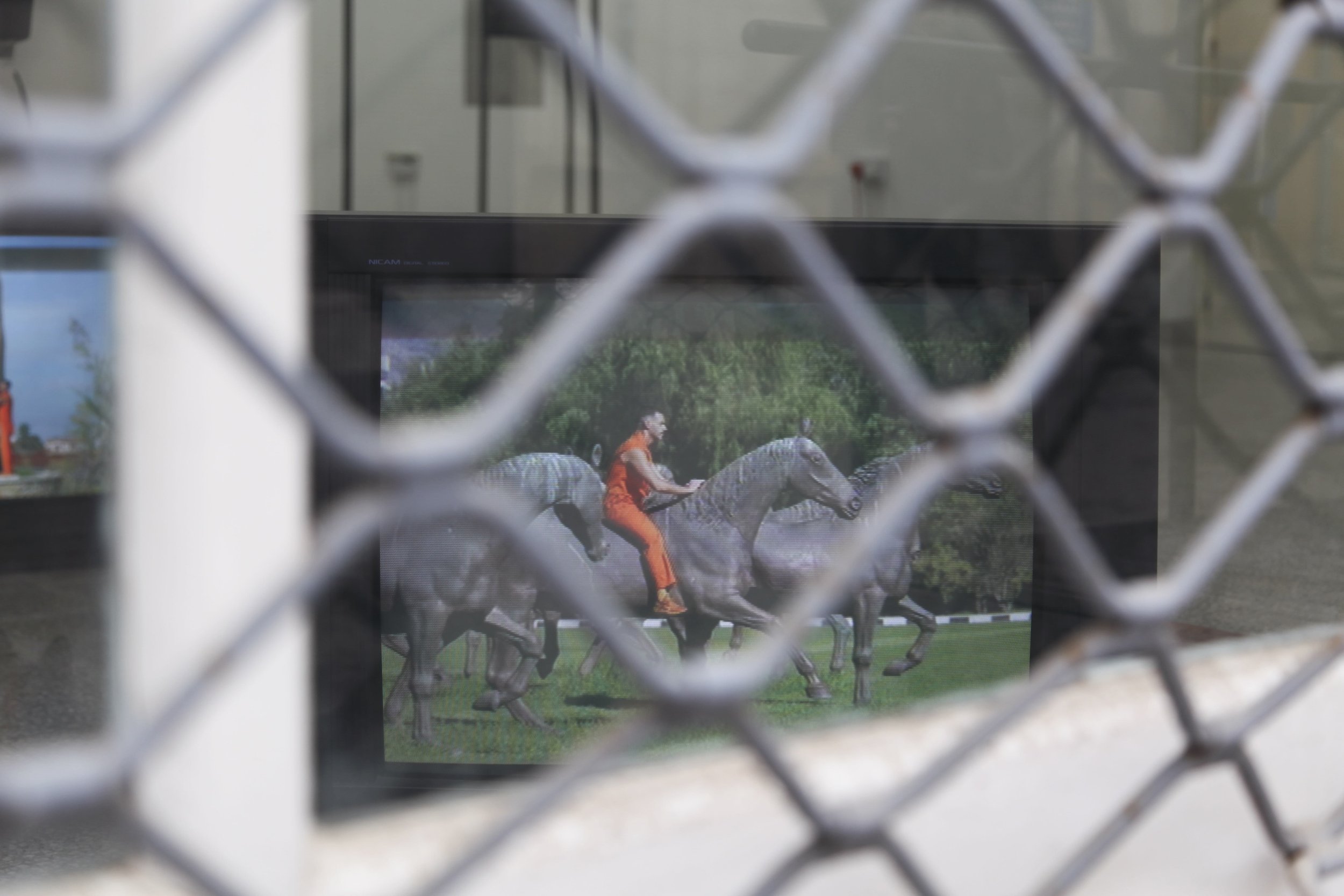
X. "Horses" by NEU Sculpture Workshop (2021, Nicosia)
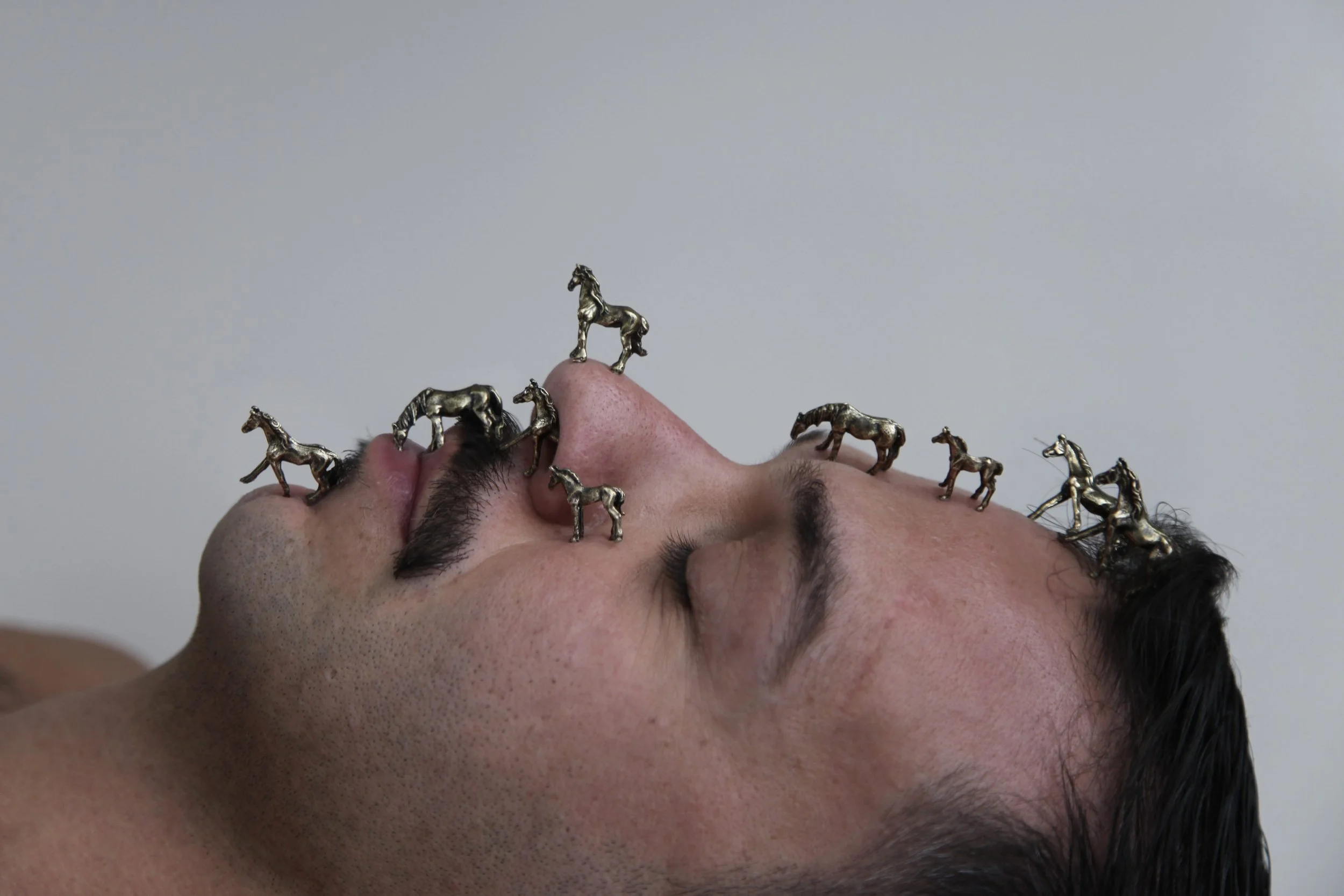
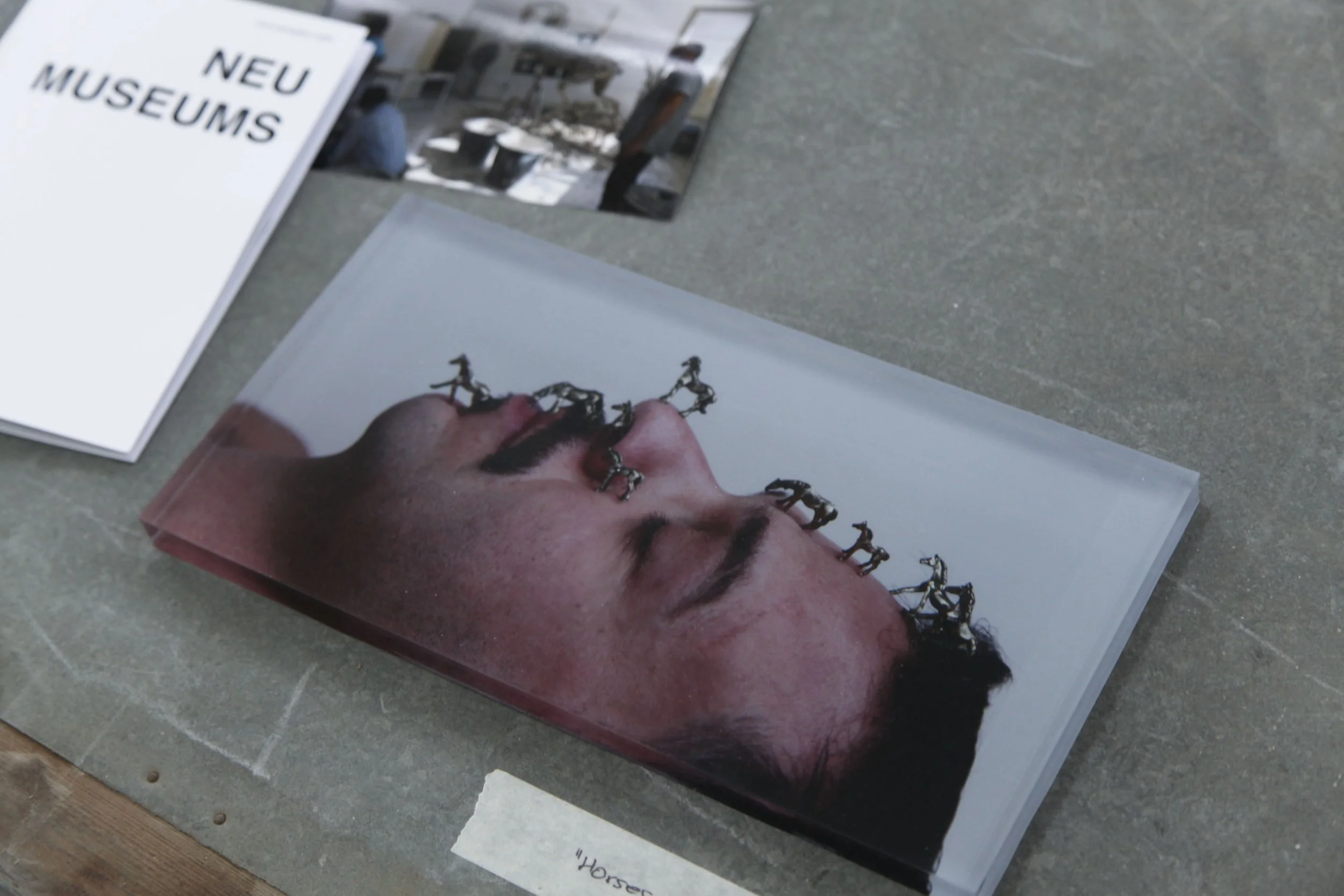
"Horses (PASHIAS Version)", Photography
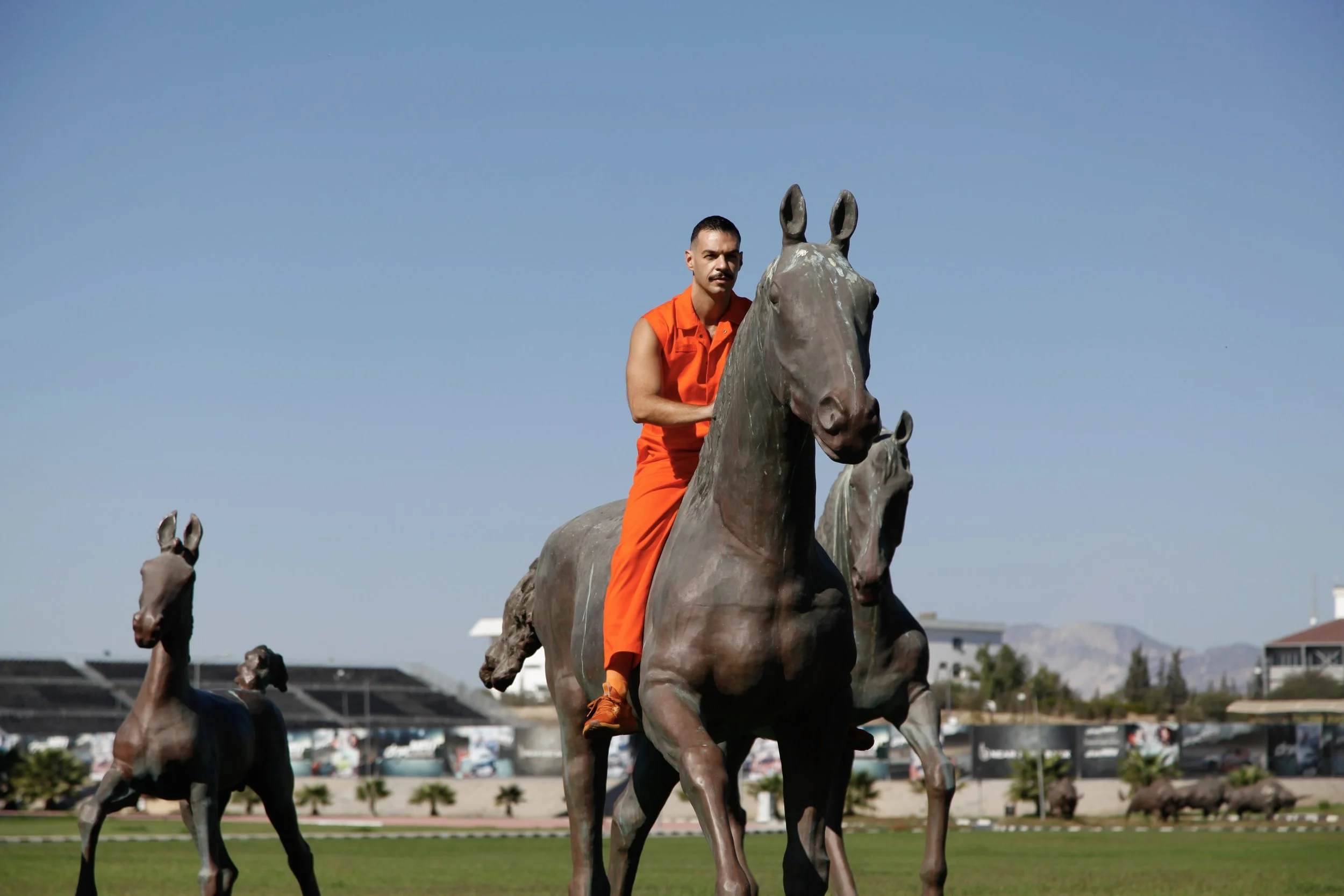
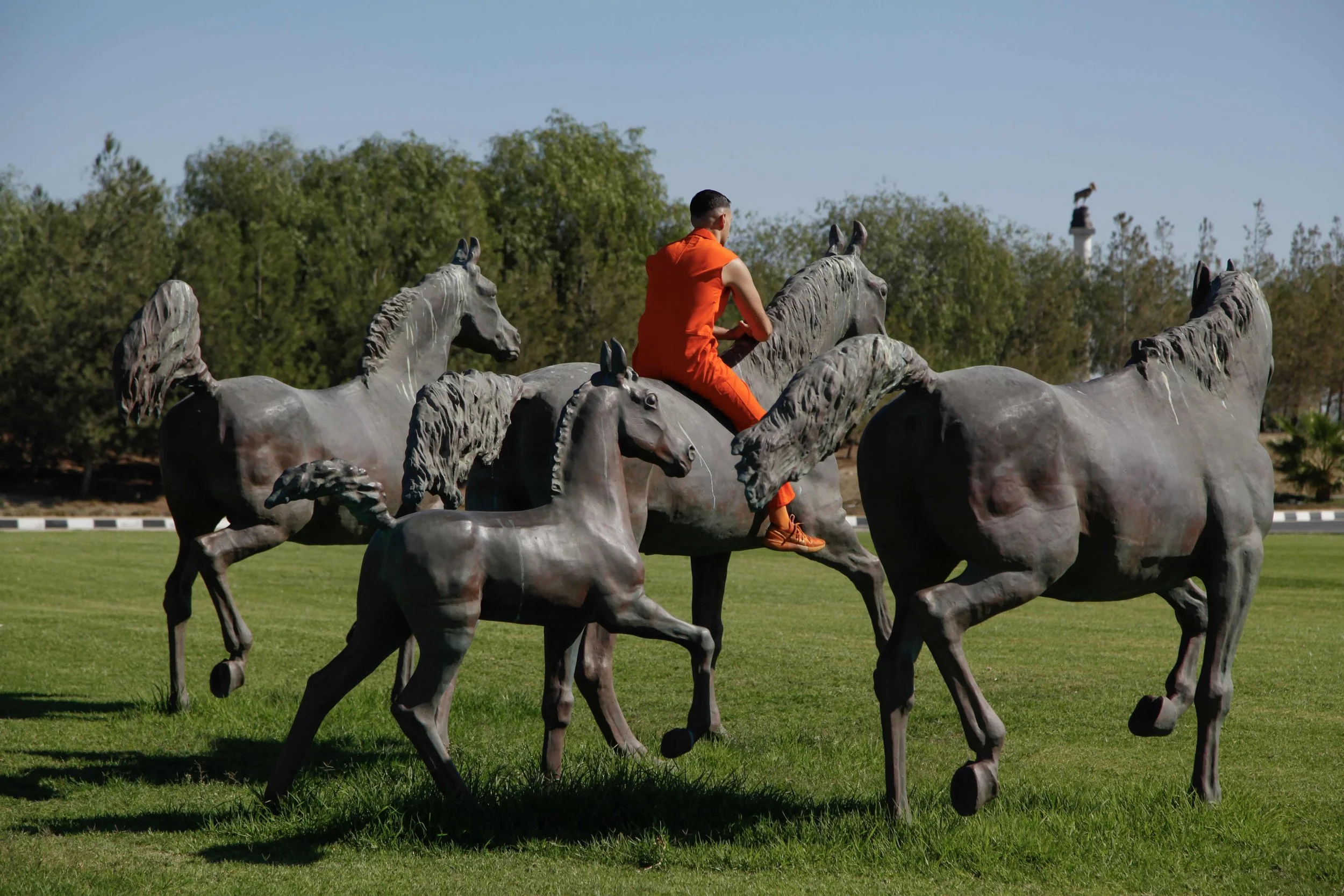
"Of Monumental: Filming Sessions", Photography: Volume Films
XI: "Rainbow" by Nikos Kouroussis (1976, Nicosia) + other artworks
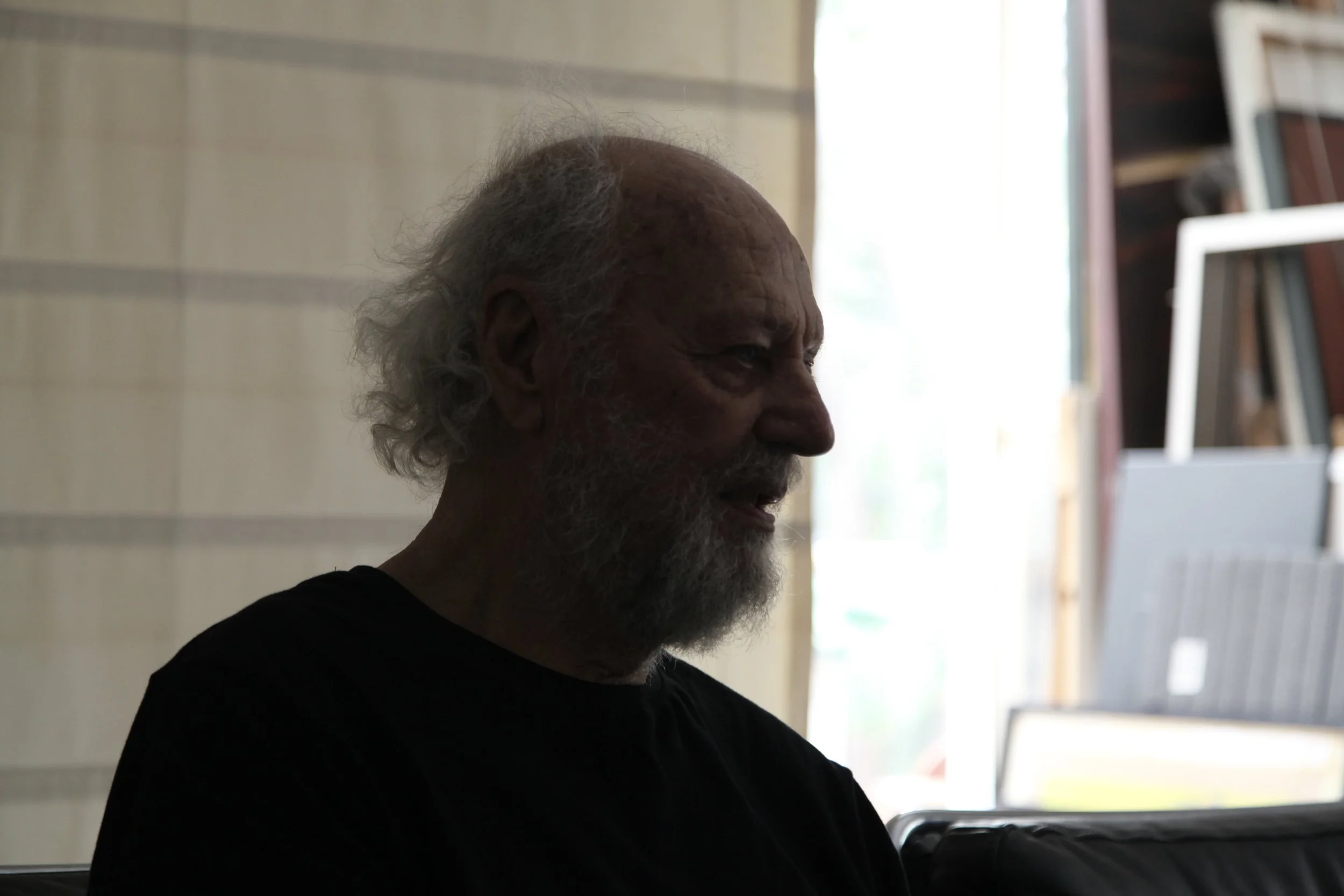
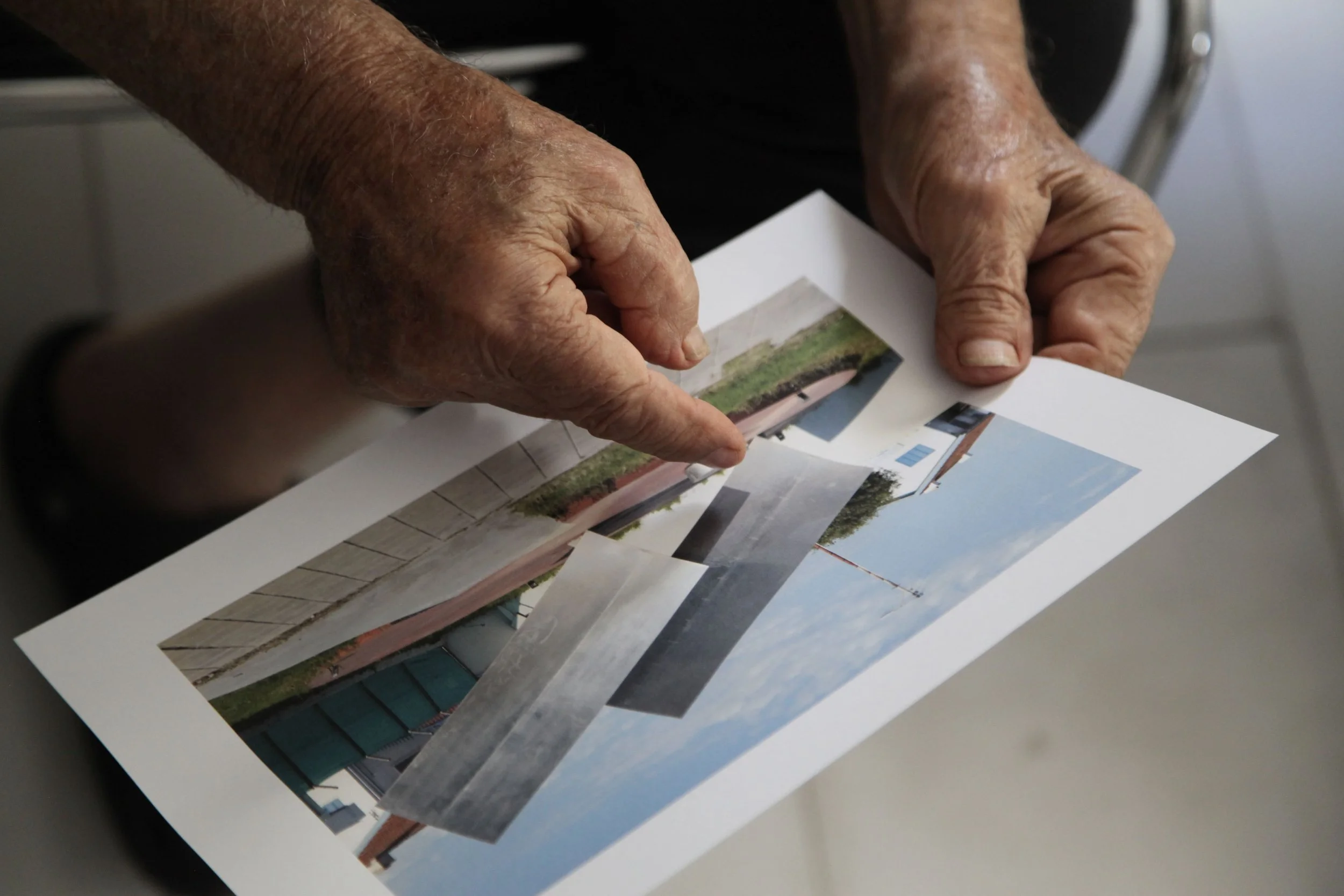
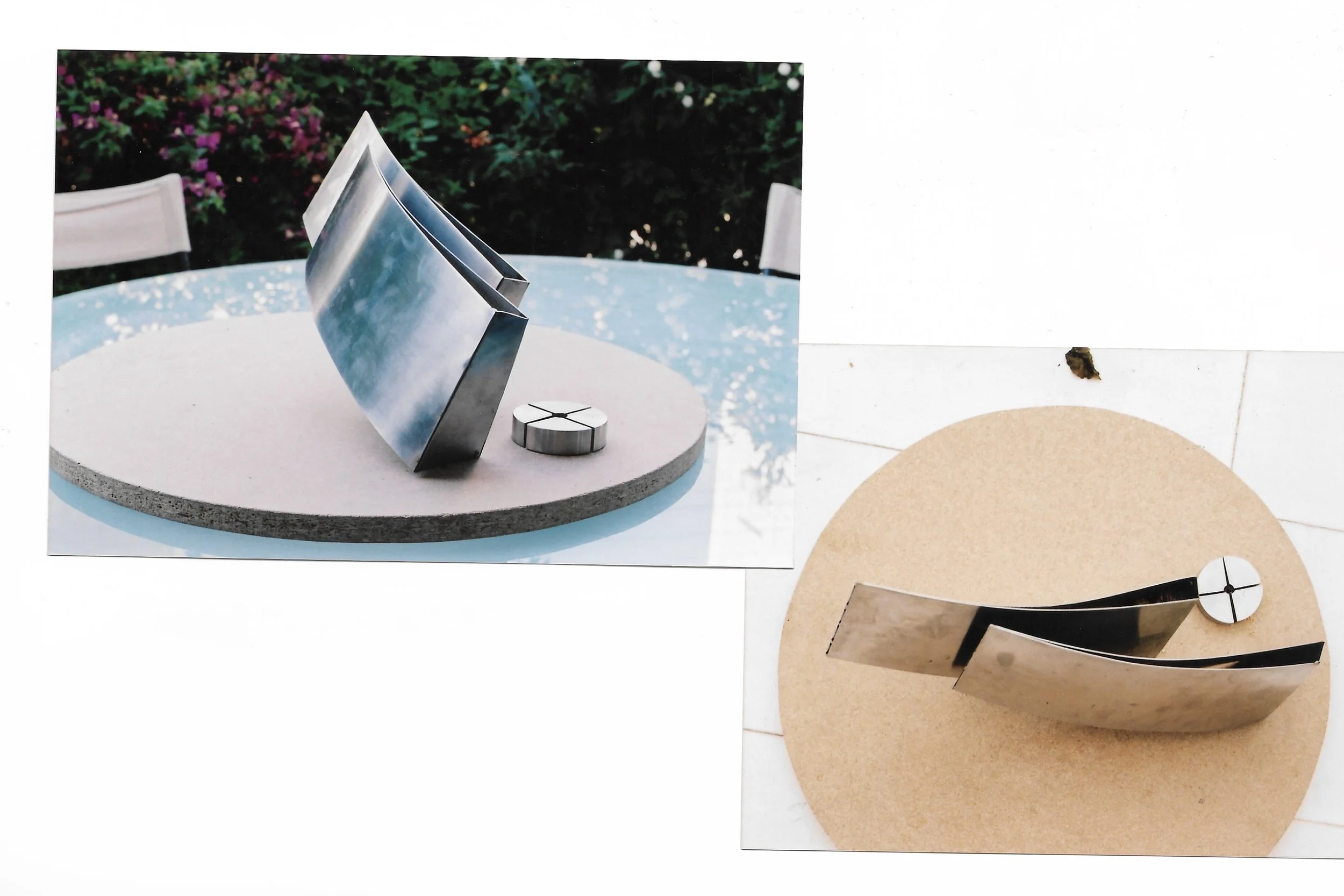
"Conversation with Kouroussis", Photography: PASHIAS
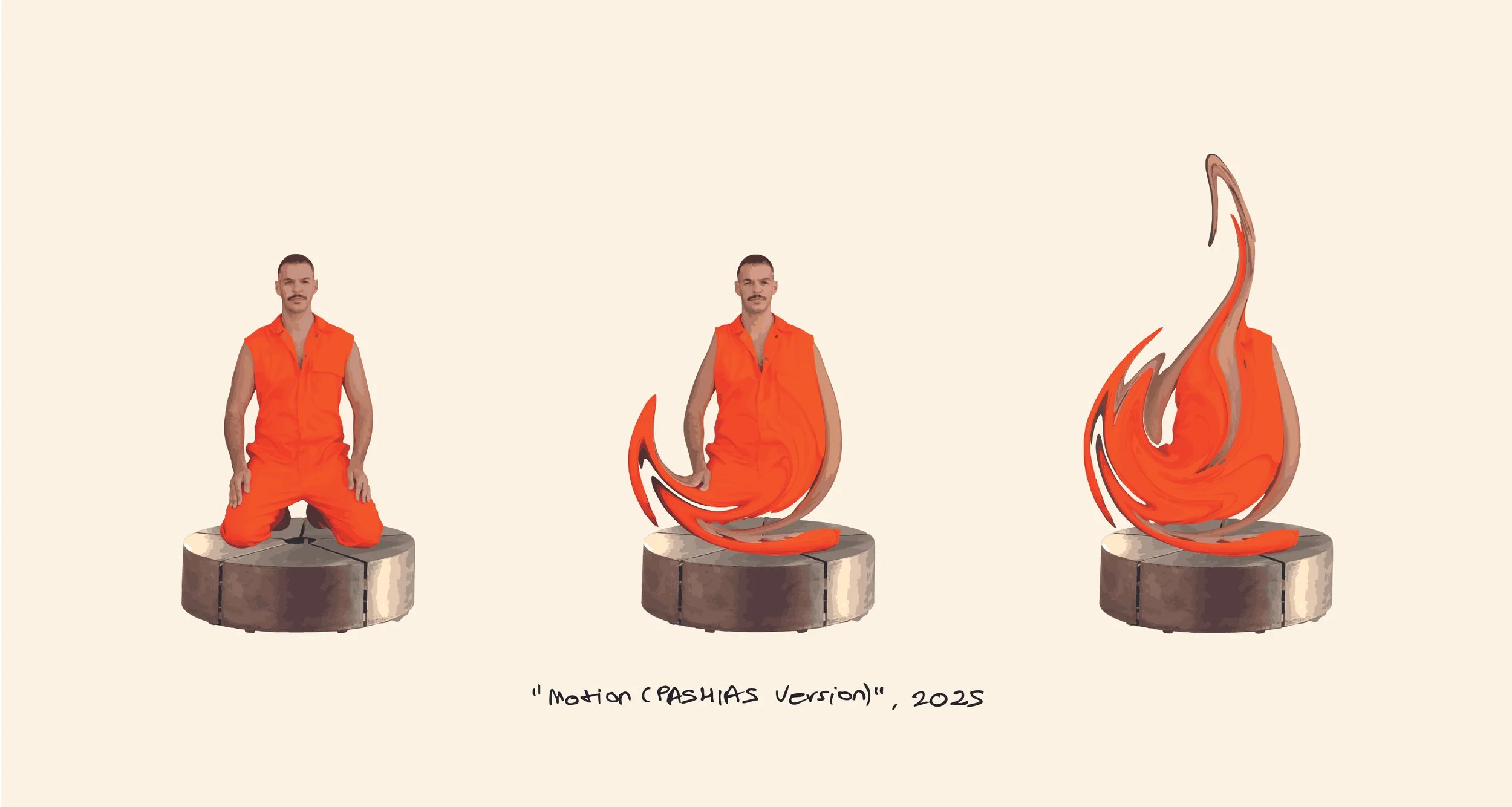
"Motion (PASHIAS Version)", Digital Sketch
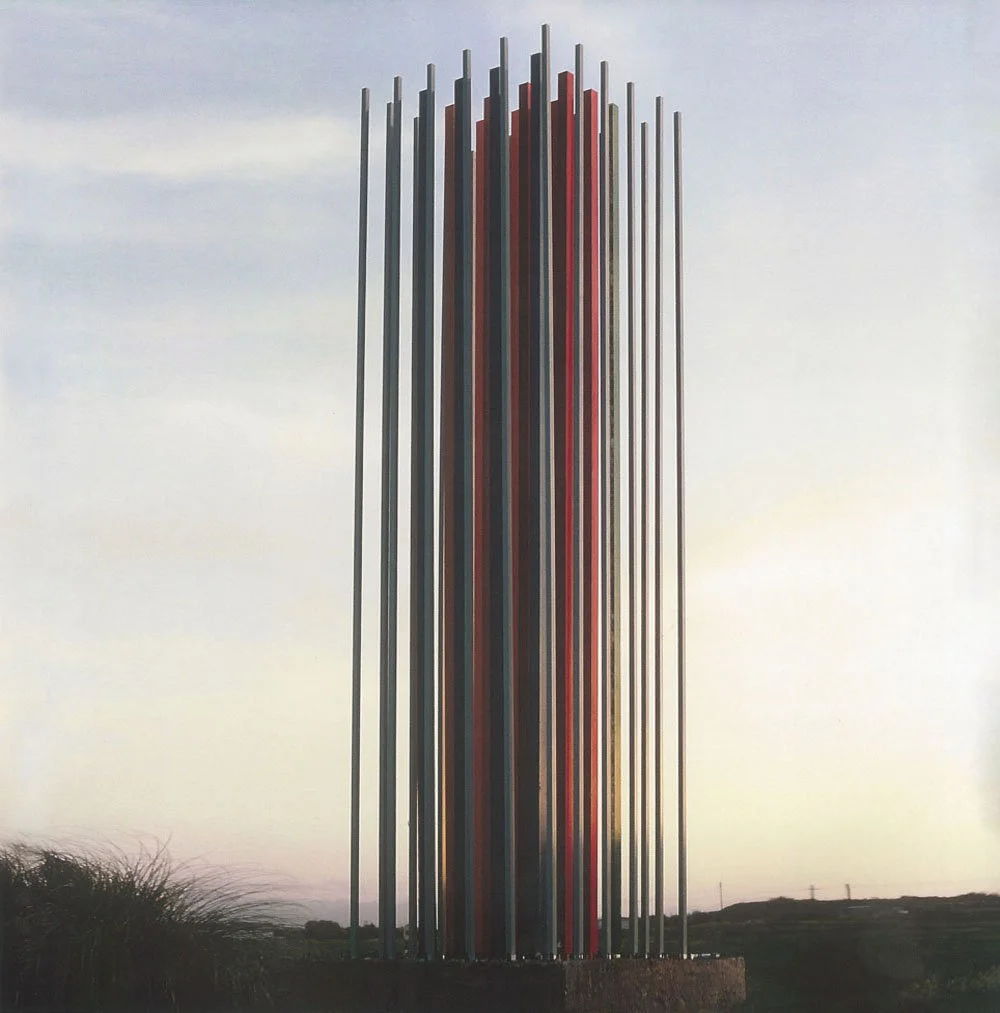
"Rainbow" by Nikos Kouroussis, Courtesy of the artist
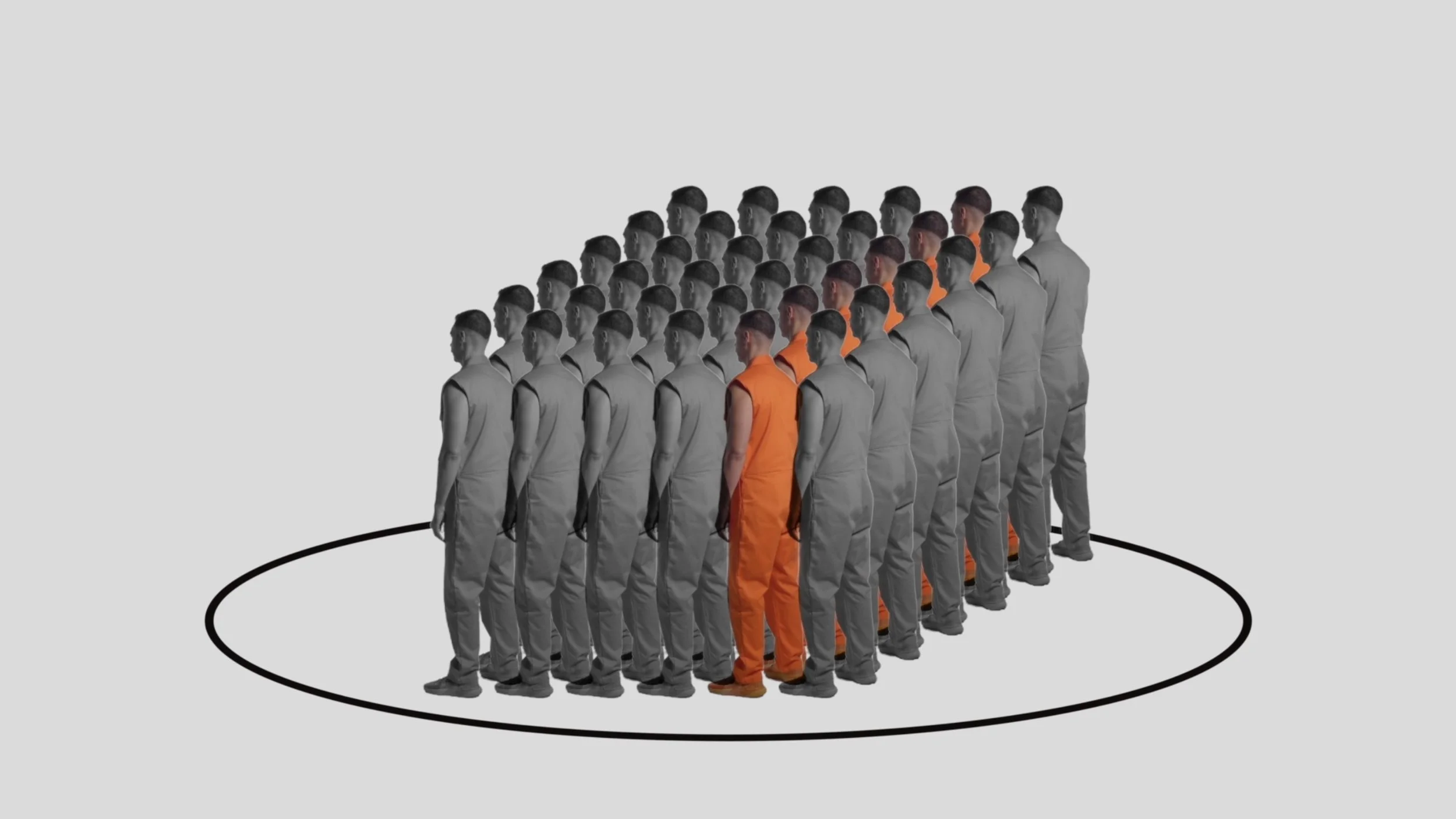
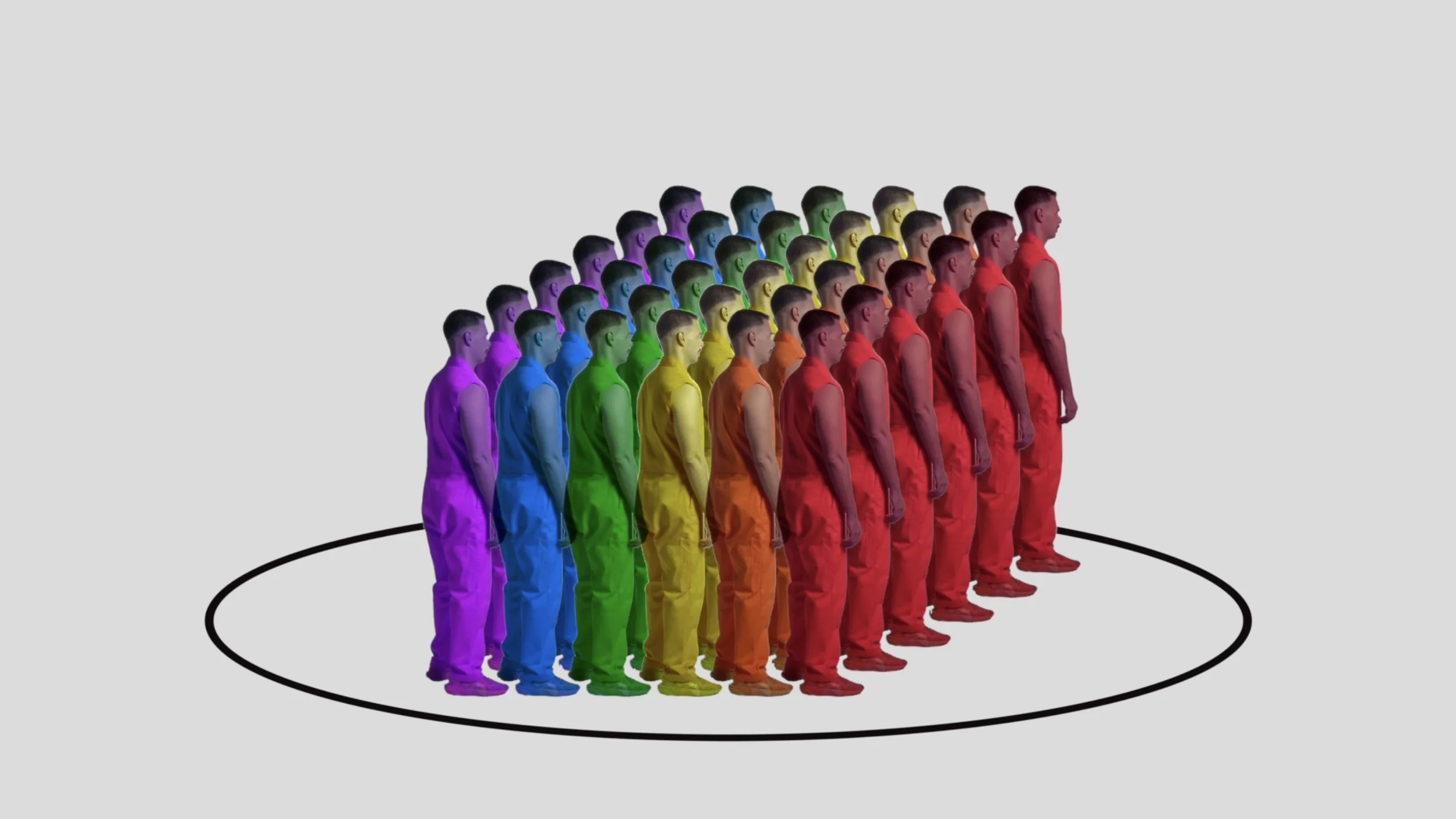
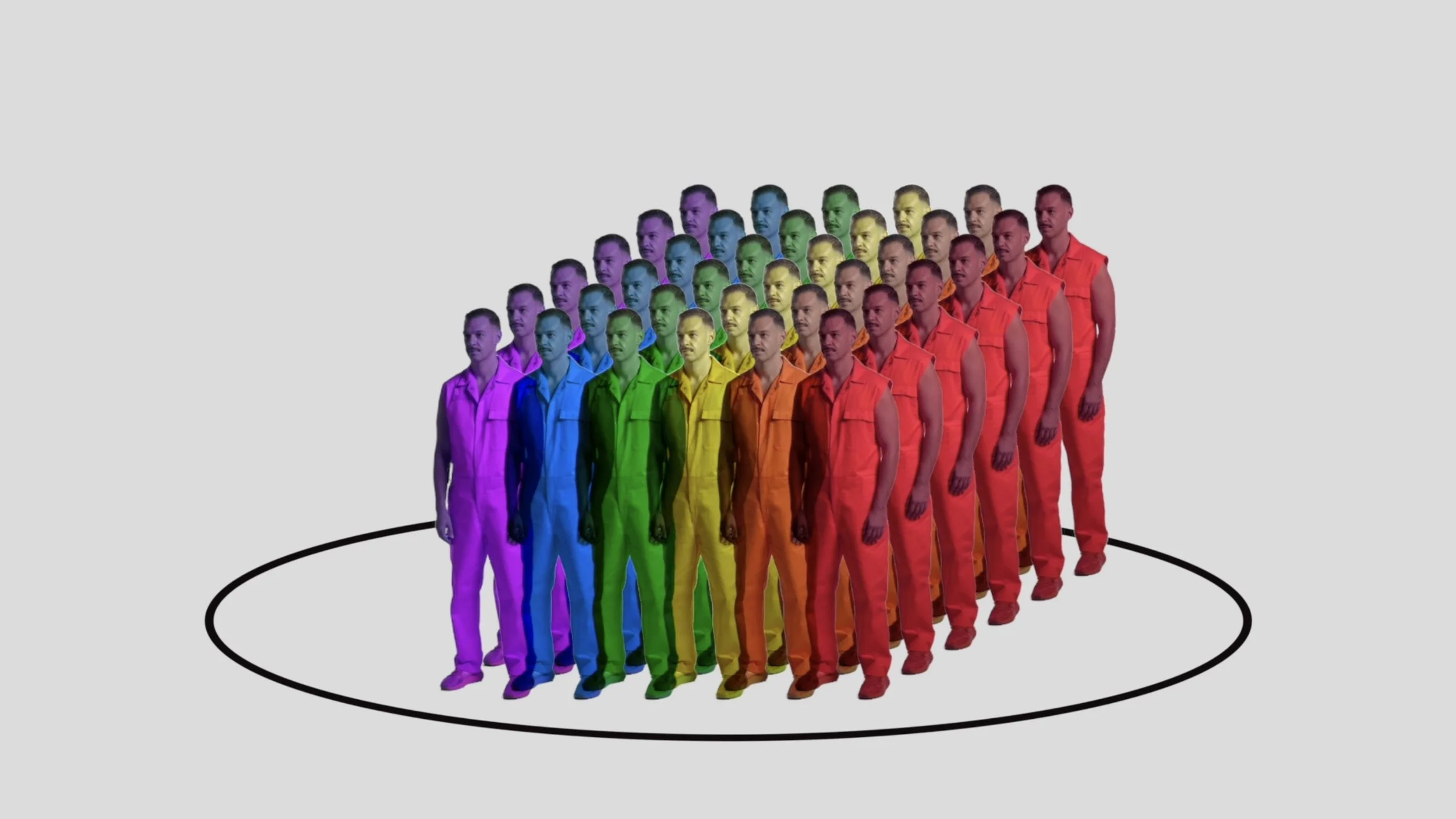
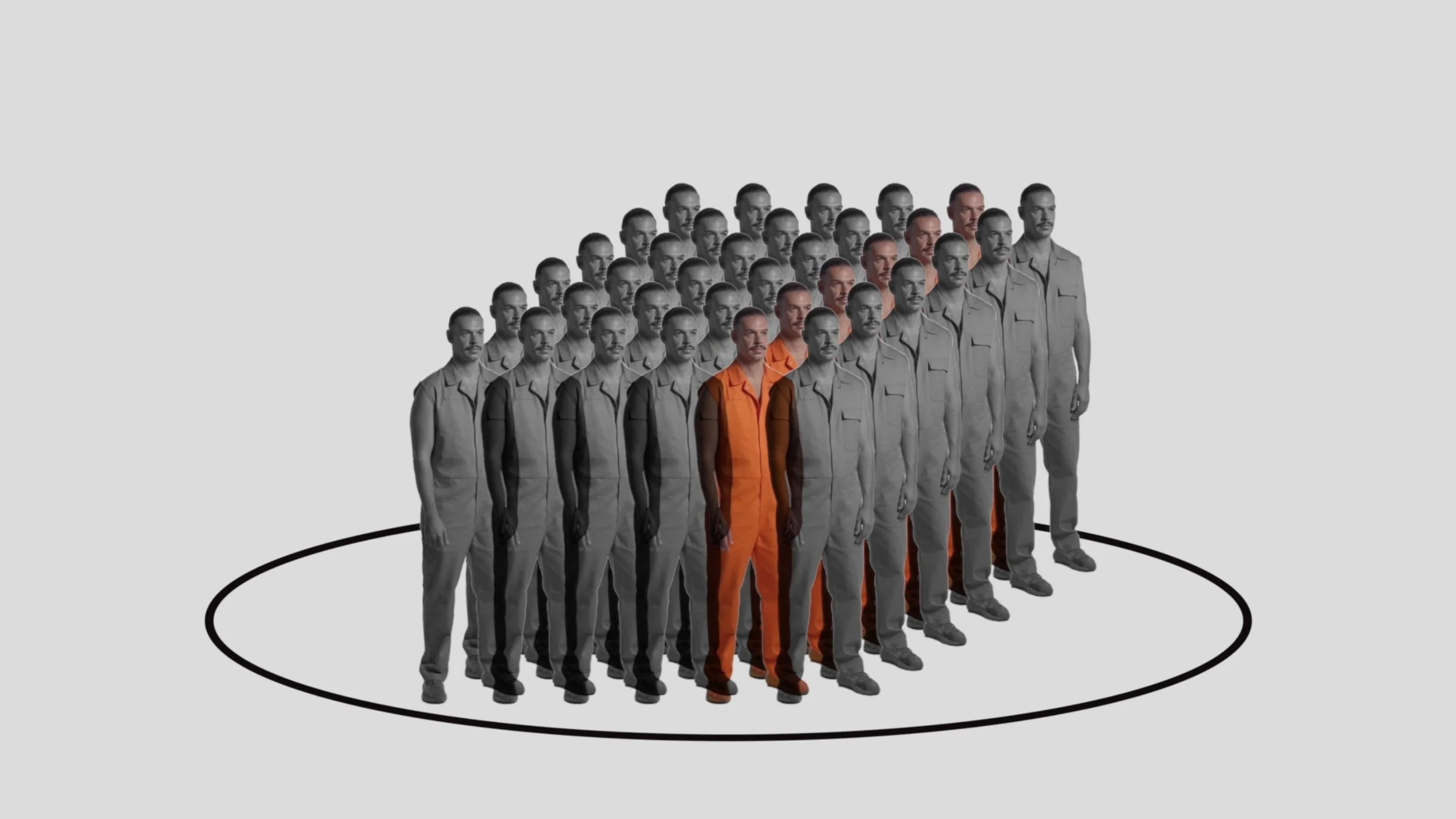
"Rainbow (PASHIAS Version)", Video Stills
The Films
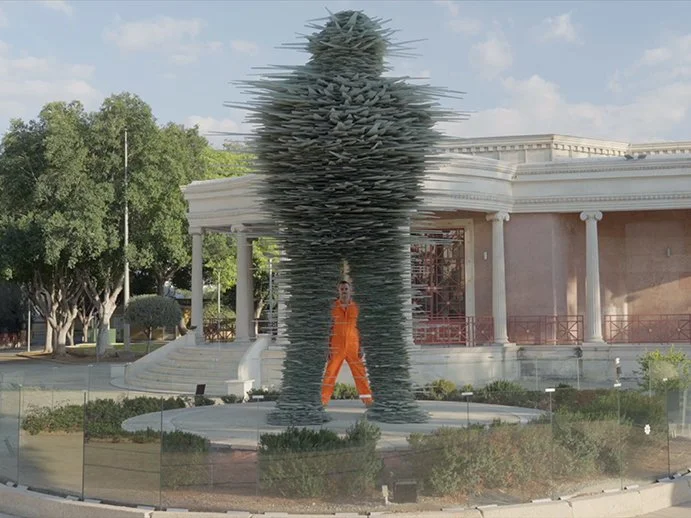
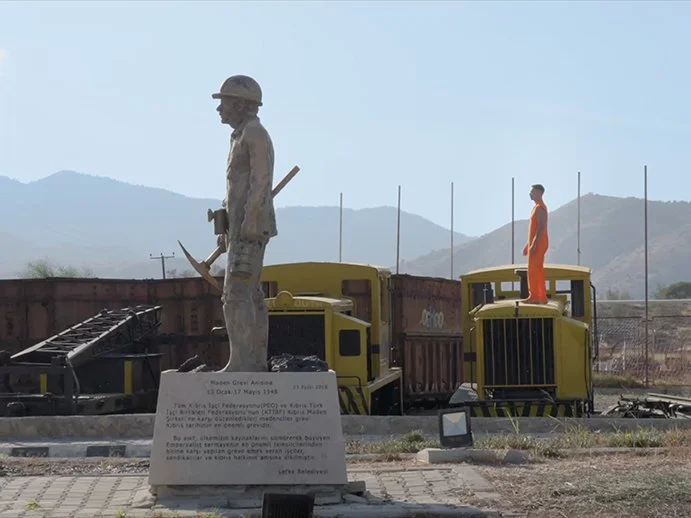
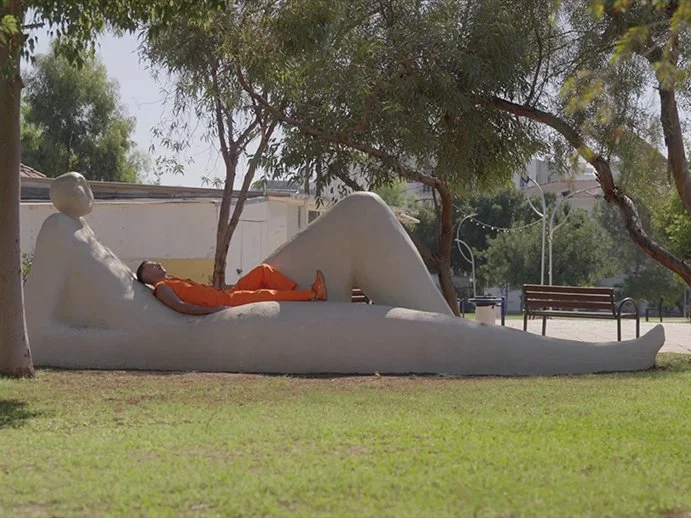
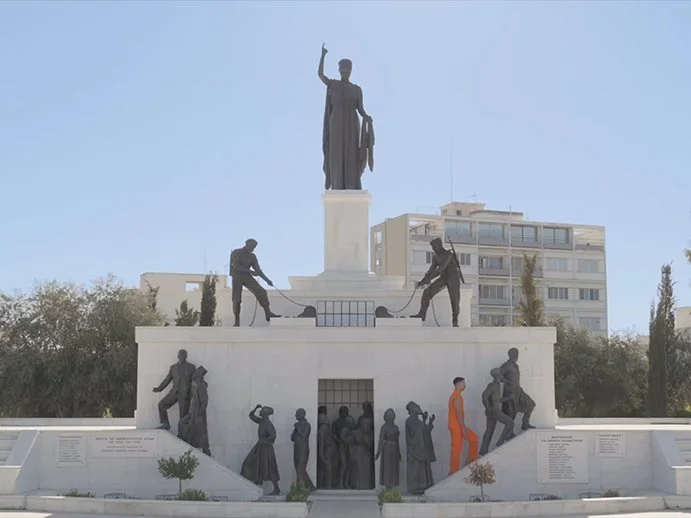
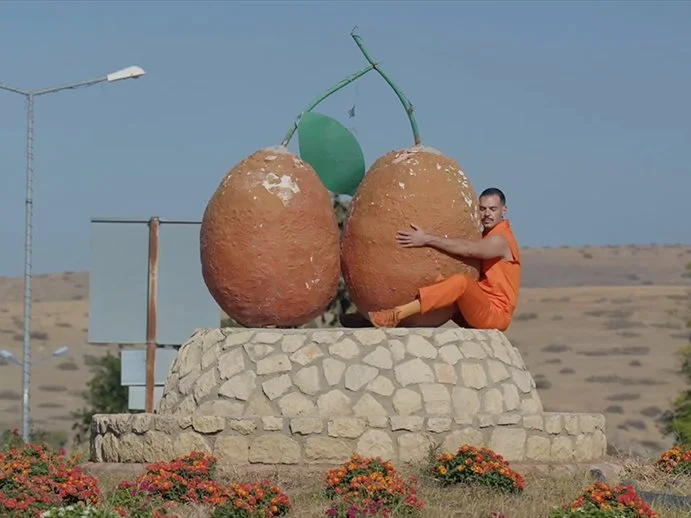
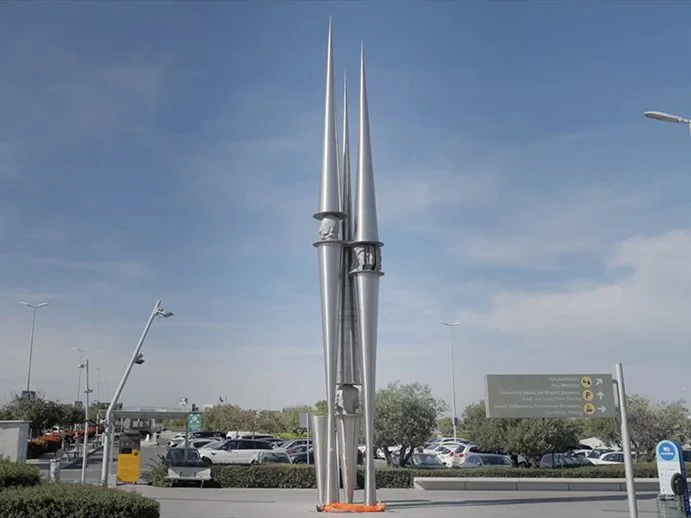
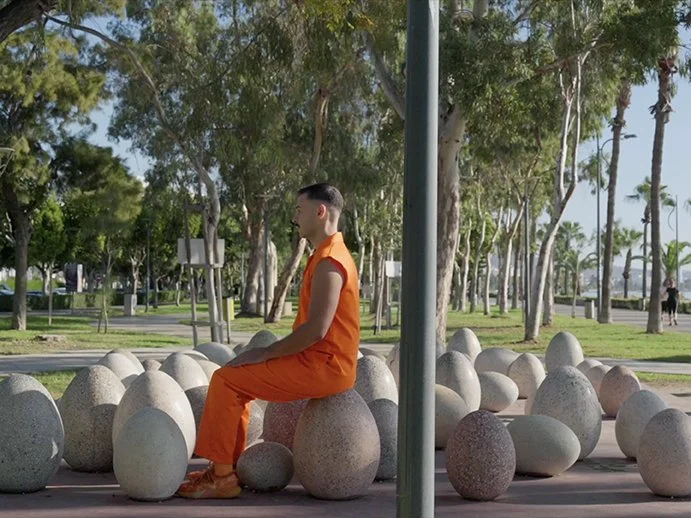
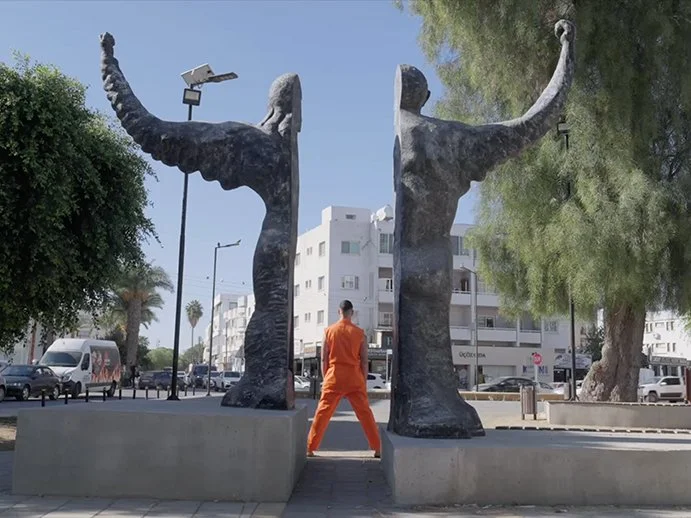
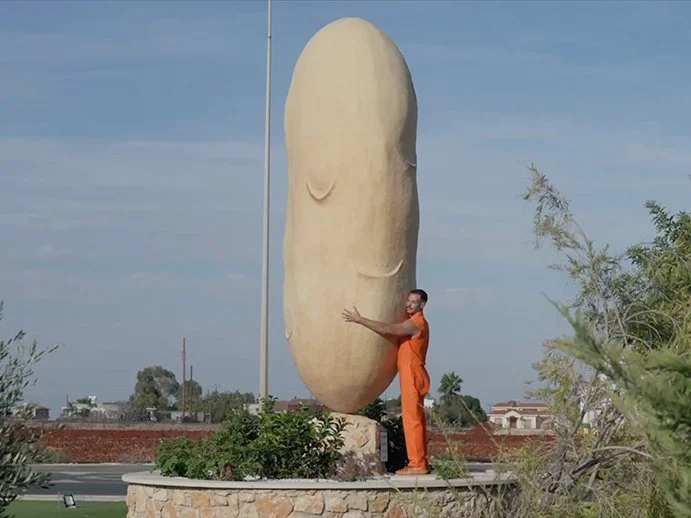
Each public intervention film has a duration of 15 minutes, with a still 4:3 camera frame, a still monument + a still human figure, whilst only the surrounding environment moves according to its own rhythm.
The Exhibition
Of Monumental: An interdisciplinary exhibition on Cyprus' public art monuments
Press Release, November - 2025
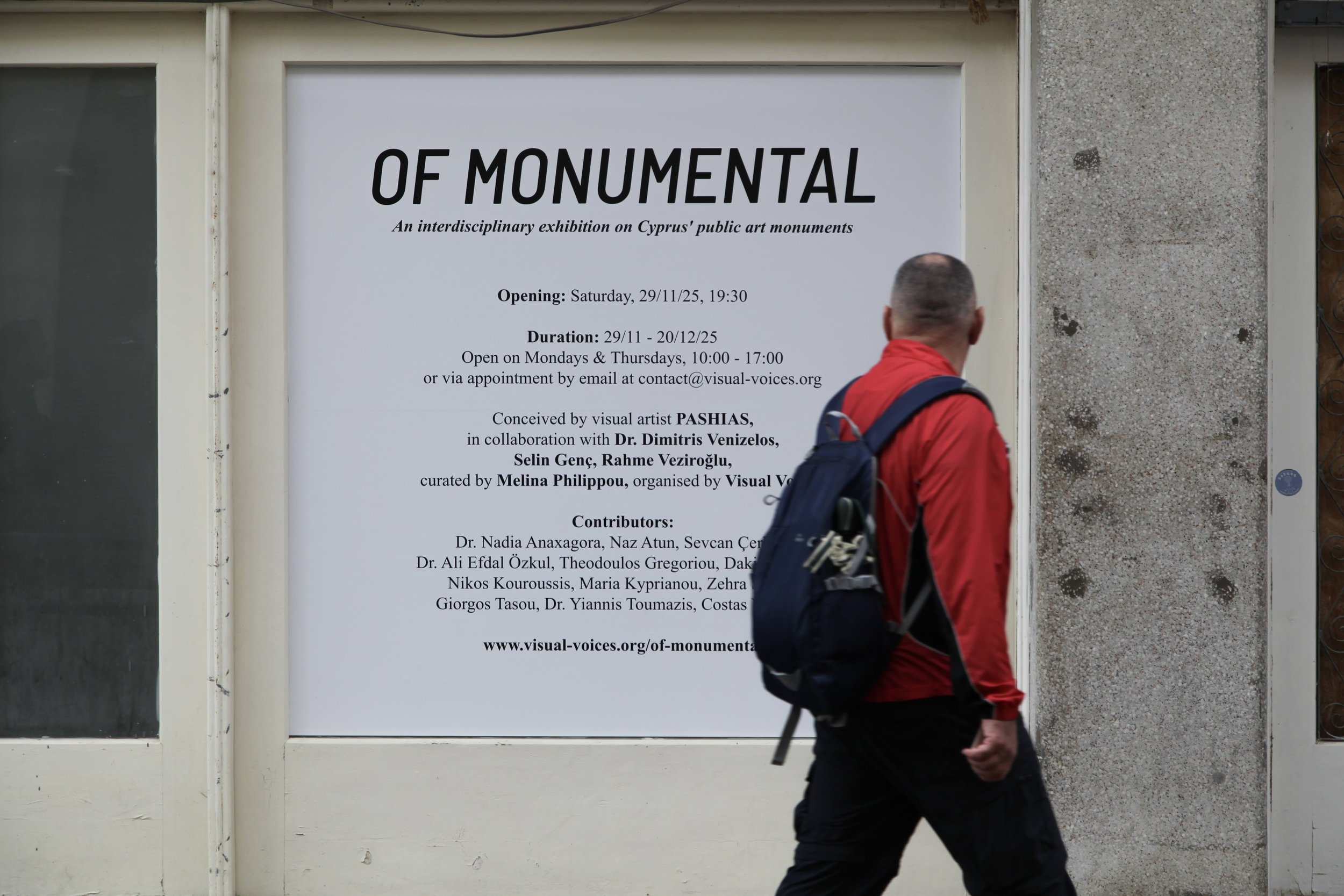
Opening: Saturday, 29th of November 2025, 19:30, Nicosia Masterplan Hall (Ledras Street Crossing)
Duration: 29/11-20/12/2025, Open on Mondays & Thursdays 10:00-17:00, or via appointment by email at contact@visual-voices.org
"Of Monumental" is an ongoing intercommunal artistic and research initiative that opens a critical space for reflection and active engagement with the public art landscape of Cyprus. It interrogates the relational nature of public art monuments, proposing their expanded understanding, not as static commemorations of the past, but as participatory and socially embedded objects that articulate shifting meanings within the public sphere.
Conceived by visual artist PASHIAS, and grounded in his previous work, "Of Monumental" is implemented by the intercommunal cultural non-profit organisation Visual Voices, in collaboration with architect and academic Dr. Dimitris Venizelos, researcher Selin Genç, audiovisual artist Rahme Veziroğlu, and curator Melina Philippou. It is funded by the Deputy Ministry of Culture under the program Politismos II, 2025.
The project’s first public presentation takes form as a collective installation, opening on Saturday, 29th of November, 19:30, at the Nicosia Masterplan Hall, Nicosia Buffer Zone (Ledras Street - Lokmaci Crossing), examining 11 public art sculptures of cultural significance across the divide: "Birth" by Maria Kyprianou (2009, Limassol), "Big Potato" (2021, Xylophagou), "Clepsydra" by Theodoulos Gregoriou (2009, Larnaca), "Democracy Sculpture" by Zehra Şonya (2019, Nicosia), "Horses" by the Near East University Sculpture Workshop (2021, Nicosia), "Jaffa Orange" by Sevcan Çerkez (2018, Lefke), "Lying Down" by Naz Atun (2021, Nicosia), "Miners Strike Monument" (2018, Lefke), "The Liberty Monument" by Ioannis Notaras (1973, Nicosia), "The Poet" by Costas Varotsos (1983, Nicosia) and "Rainbow" by Nikos Kouroussis (1976, Nicosia) that was taken down later on.
This selection reflects an inquiry into the plural functions of public art in Cyprus, from formal commemorations of historical events to vernacular symbols of livelihood and contemporary gestures of abstraction or critique. Observed together, they reveal Cyprus’ public art landscape as a terrain of negotiation between institutional authority and community agency.
The exhibition unfolds as a collective installation, anchored by a series of public performance interventions translated into film works by PASHIAS, introducing the contemporary body in its corporeal, vulnerable, powerful, queer, fluid, and subversive forms at each monumental site. These are framed by the situationist explorations of Rahme Veziroğlu and interwoven with fragments from the monuments’ biographies, through archival materials and newly conducted interviews with the following contributors: Dr. Nadia Anaxagora, Naz Atun, Sevcan Çerkez, Dr. Ali Efdal Özkul, Theodoulos Gregoriou, Dakis Joannou, Nikos Kouroussis, Maria Kyprianou, Zehra Şonya, Giorgos Tasou, Dr. Yiannis Toumazis, Kostas Varotsos.
Together, these works expose the mechanisms through which monuments acquire meaning, and how that meaning shifts through time and collective encounters."Of Monumental" seeks to provoke renewed interactions with public legacy, opening up a critical dialogue on city space as a site of civic exchange, reformulating narratives of identity, memory, and authorship, inviting us to learn from existing histories, while speculating on future ones.
The accompanying research study of the "Of Monumental" pilot, titled "Conversation with a sculptor / Conversation with a sculpture", will be released in January 2026, in collaboration with the Visual Artists & Art Theorists Association – phytorio for their series of events "Minor Gestures Take Root in the Cracks".
Of Monumental: Curatorial Note
By Melina Philippou
Rather than inert symbols, public art monuments are palimpsests. Sites continually rewritten by political change, civic action, and everyday life. Their meaning lies in participation: in how they are encountered, reimagined, and transformed within public life, often diverging or even subverting their dominant narratives. "Of Monumental" is an ongoing intercommunal initiative that aims to create a space for critical discourse and active engagement with the public art landscape of Cyprus. Through artistic creation, research, and public programming, we interrogate the relational nature of public art. We argue for an expanded understanding of monuments not as static commemorations of the past, but as participatory and socially embedded objects that articulate shifting meanings within the public sphere.
Conceived by visual artist PASHIAS and developed in collaboration with Visual Voices, the project extends from his earlier investigations into commemorative sculpture, historic monuments, and the body. In his early explorations of public art monuments as a student of fine arts at Goldsmiths, PASHIAS merges the Makarios statue and its creator, reenacting its ritualistic removal from the Archbishop’s Palace and subsequent exile to Troodos. In video performance "Conversation with a sculptor / Conversation with a sculpture" (2008), he recites Nikos Kotziamanis’ words of frustration, reflecting on the lack of agency experienced when the work is delivered to the public and acquires new life. A year later in the video performance "The Burden" (2009), the artist’s body is multiplied, joining the female figures of "Memorial to the Missing" by Vasilis Kattos in Nicosia, carrying a symbolic flame. These works establish a dialogue between the living body and the public art’s social, communal, and political agendas, an inquiry that "Of Monumental" now expands into interdisciplinary artistic research through site-based explorations in collaboration with Dr. Dimitris Venizelos, researcher Selin Genç, audiovisual artist Rahme Veziroğlu, and curator Melina Philippou.
We approach public art through its relationship with the communities it addresses. Monuments gain meaning when they engage, challenge, or reflect their publics; when this connection is lost, they enter a state of cultural and civic precarity, where their relevance and authority are uncertain. Conversely, works embraced by everyday life reveal how communities continually reinterpret the 'monumental'. This perspective shaped our selection, highlighting artworks that make visible the fragile, dynamic ways public art in Cyprus remains intertwined with those who encounter it.
The pilot "Of Monumental" examines 10 +1 public art sculptures of cultural significance. Alphabetically those are the "Birth" by Maria Kyprianou (2000, Limassol), "Big Potato" (2021, Xylophagou), "Clepsydra" by Theodoulos Gregoriou (2009, Larnaca), "Democracy Sculpture" by Zehra Şonya (2019, Nicosia), "Horses" by the Near East University Sculpture Workshop (2021, Nicosia), "Jaffa Orange" by Sevcan Çerkez (2015, Lefke), "Lying Down" by Naz Atun (2021, Nicosia), "Miners Strike Monument" (2018, Lefke), "The Liberty Monument" by Ioannis Notaras (1973, Nicosia), "The Poet" by Costas Varotsos (1983, Nicosia) and "Rainbow" by Nikos Kouroussis (1975, Nicosia) that was taken down later on.
The works reflect the plural functions of public art in Cyprus, from formal commemorations of historic events and celebration of civic values, to vernacular symbols of local identity and contemporary gestures of abstraction or critique. Equally, the selection seeks to make visible the networks of production that shape the public art landscape: the interplay between local authorities, state commissions, private patrons, and artists operating within overlapping bureaucratic and civic processes. Some monuments emerged through top-down procedures, bearing the traces of institutional narratives; others resulted from grassroots acts of commemoration or resistance that inscribe everyday experiences into public space. Together, they reveal how Cyprus’ monumental landscape operates as a field of negotiation between institutional agendas and community agency.
The exhibition unfolds as a collective installation, anchored by a series of public performance interventions translated into film works by PASHIAS, introducing the contemporary body in its corporeal, vulnerable, powerful, queer, fluid, and subversive forms into each monumental site. These are framed by the situationist explorations of Rahme Veziroğlu and interwoven with fragments from the monuments’ biographies through archival material and newly conducted interviews with stakeholders. Together, the works expose the mechanisms through which monuments acquire meaning, and how that meaning shifts through time and collective encounters.
PASHIAS presents a series of site-specific public interventions captured as still frames. The installation functions as a cumulative archive, anticipated to expand and evolve through future iterations. In these interventions, the human body acts as a conduit, renewing the visibility of the artworks while enacting distinct relational strategies for engagement and re-appropriation. His presence embodies and completes the works, at times mediating the repair of their relationship to the public or its creator, and at others projecting his own experiences and desires onto them.
At "Clepsydra", PASHIAS initial vision of completing the artwork by utilizing the conical base as a stage reaching toward the sky, transforming it into a bicone in alignment to the creators intentions, remains unrealized. The monument’s custodians denied the permit due to liability concerns. In response, the artist lies on the ground, becoming the soil that nourishes the hourglass, as if it were a cypress firmly rooted in the earth while stretching toward the sky. With the "Liberty Monument" PASHIAS inserts himself into a long continuum of artistic and political interventions, from Michael Cacoyannis’ "Attilas ’74" (1975) to Lia Haraki’s "The Record Replay React Show - Re-sculpting Freedom" (2014), to the veiling of the EOKA fighters with Pussy Riot balaclavas (2012) and Lady Liberty with a Palestinian keffiyeh (2025). Here, he aligns with figures newly freed from oppression, joining the monument’s evolving iconography. At the "Democracy Sculpture", PASHIAS enacts a queer, fluid integration with the split female and male figures, completing the work through embodied intervention. At the "Miners Strike Monument" he foregrounds the miner, while placing himself within the remains of the copper-mining landscape. His uniform becomes that of the worker, embodying solidarity with a collective struggle.
Confronting "The Poet", a sculpture that is characterized as both fragile and aggressive, he neither imitates nor opposes its sharpness. Instead, he adopts the figure as a shield, entering into a conversation with Varotsos’ creative tension between vulnerability and force. Engaging Cyprus’ celebrated non-pedigreed public art landmarks, PASHIAS addresses their contested reception. At the "Jaffa Orange", his intimate embrace counters both the public’s initial rejection and the sculpture artist’s own discomfort with its reception. With closed eyes echoing the 'eyelids' of the Spunta potato, PASHIAS personifies the wounded object and gently restores its dignity. At "Birth" and "Lying Down", the artist rests in stillness. In alignment to Naz Atun’s intentions, he embraces leisure as a formative practice that traverses and overlays political contestations across the island.
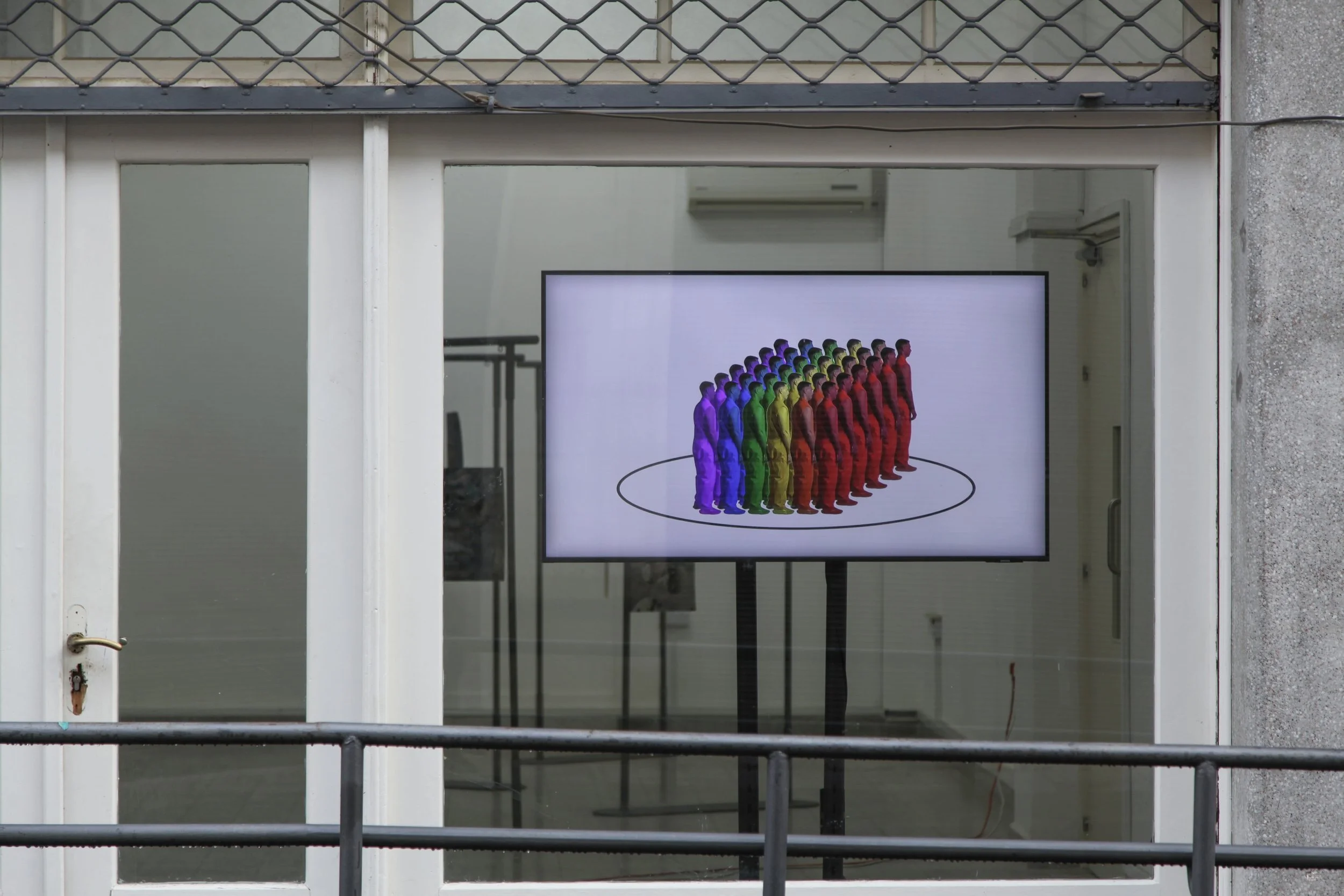
In the case of "Horses", produced by the NEU workshop to celebrate the production of a solar powered electric vehicle, PASHIAS pays homage to Marina Abramović’s "Heros" (2021). In doing so, PASHIAS contrasts the workshops’ focus on quantity, scale and materiality to the weight of artistic responsibility articulated in Abramović’s manifesto. With "Rainbow", a monument erected in 1975 marking Kouroussis’ return to the arts after his imprisonment by the Greek junta, and lost in bureaucratic processes of the Kolokasides roundabout regeneration, he engages with its absence. He suggests a digital corporeal reconstruction and queering of its form, re-appropriating its meaning through personal histories.
Through these interventions, PASHIAS positions the body as mediator, repairer, and interpreter rendering monuments visible, active, and open to renewed social and aesthetic engagement.
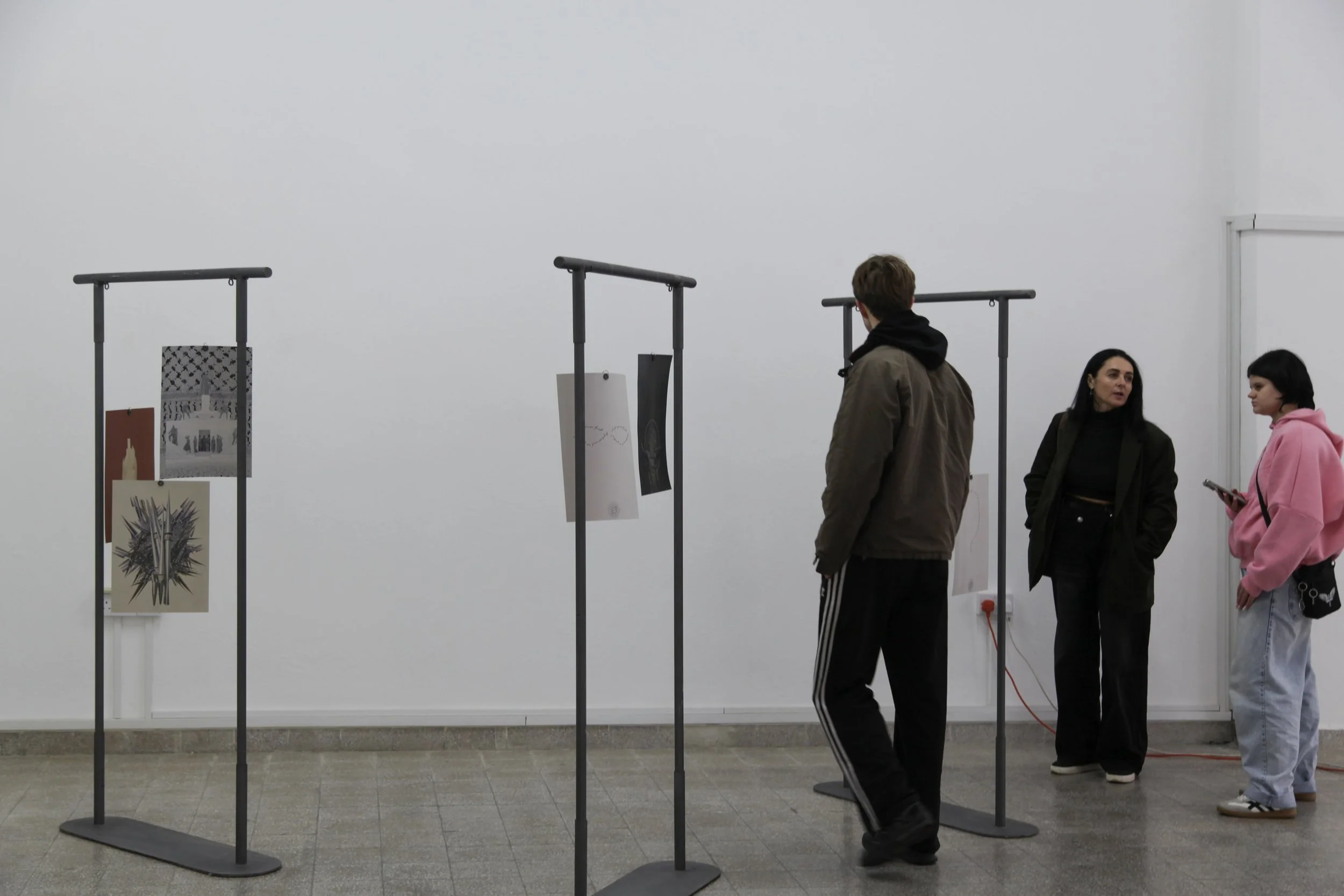
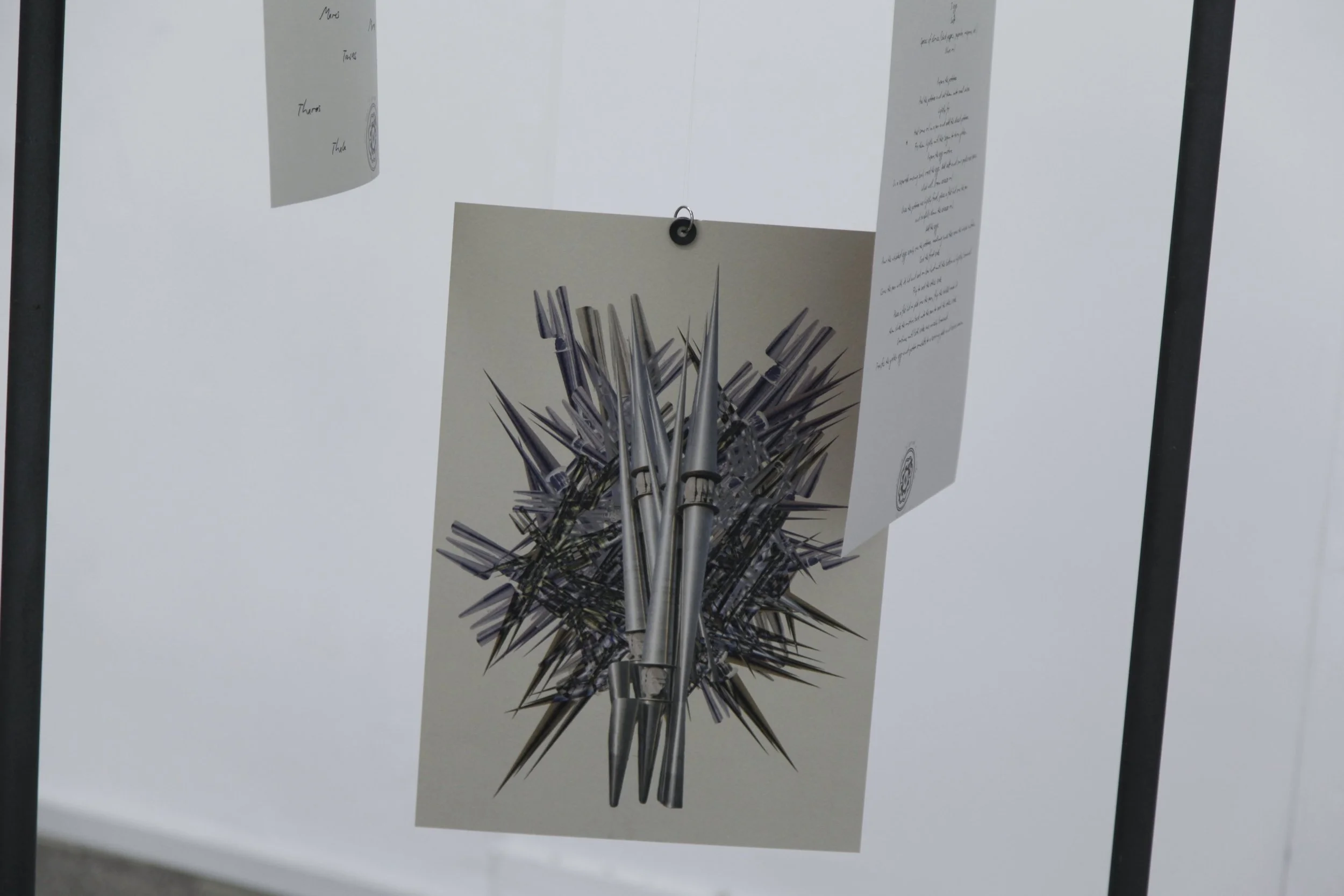
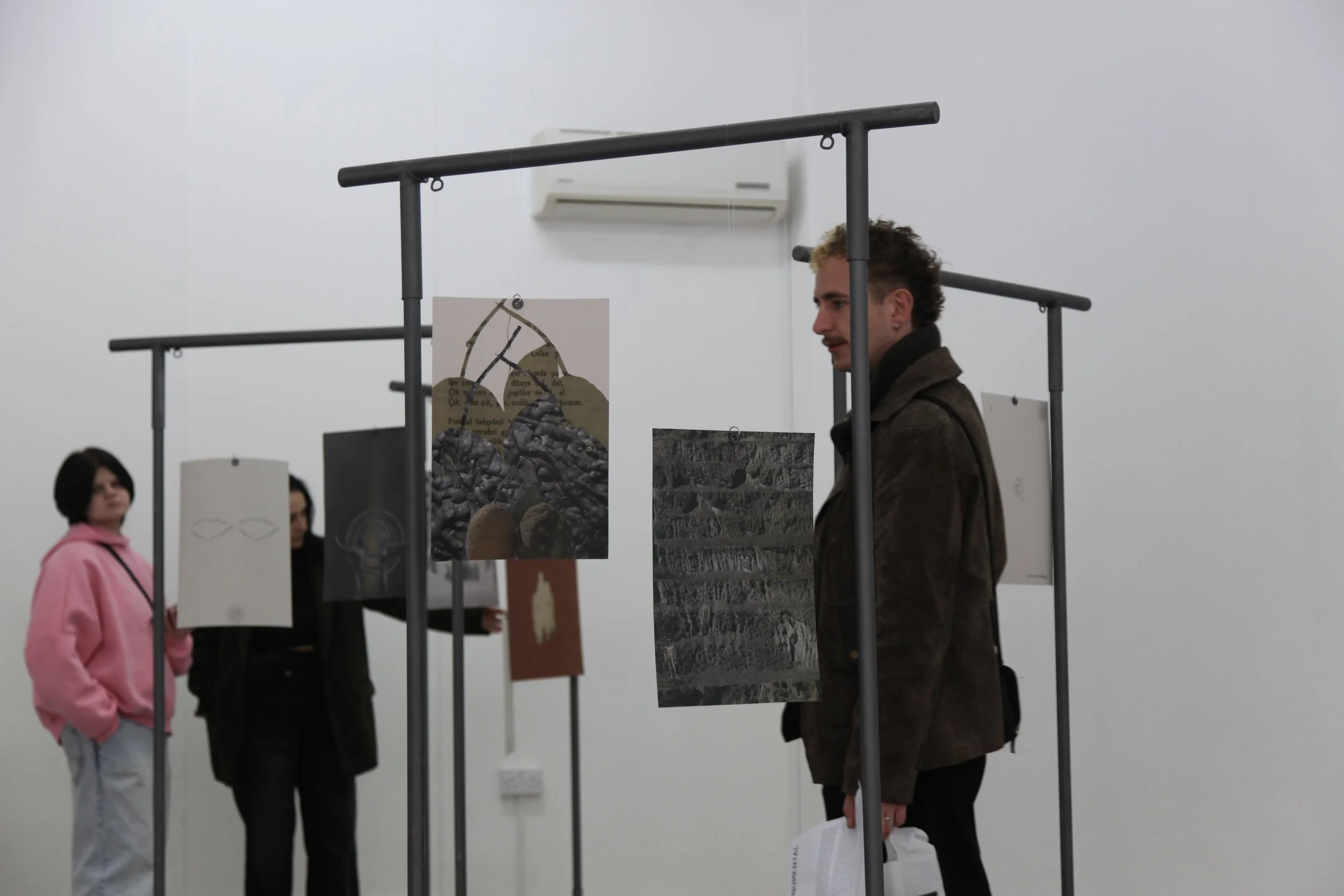
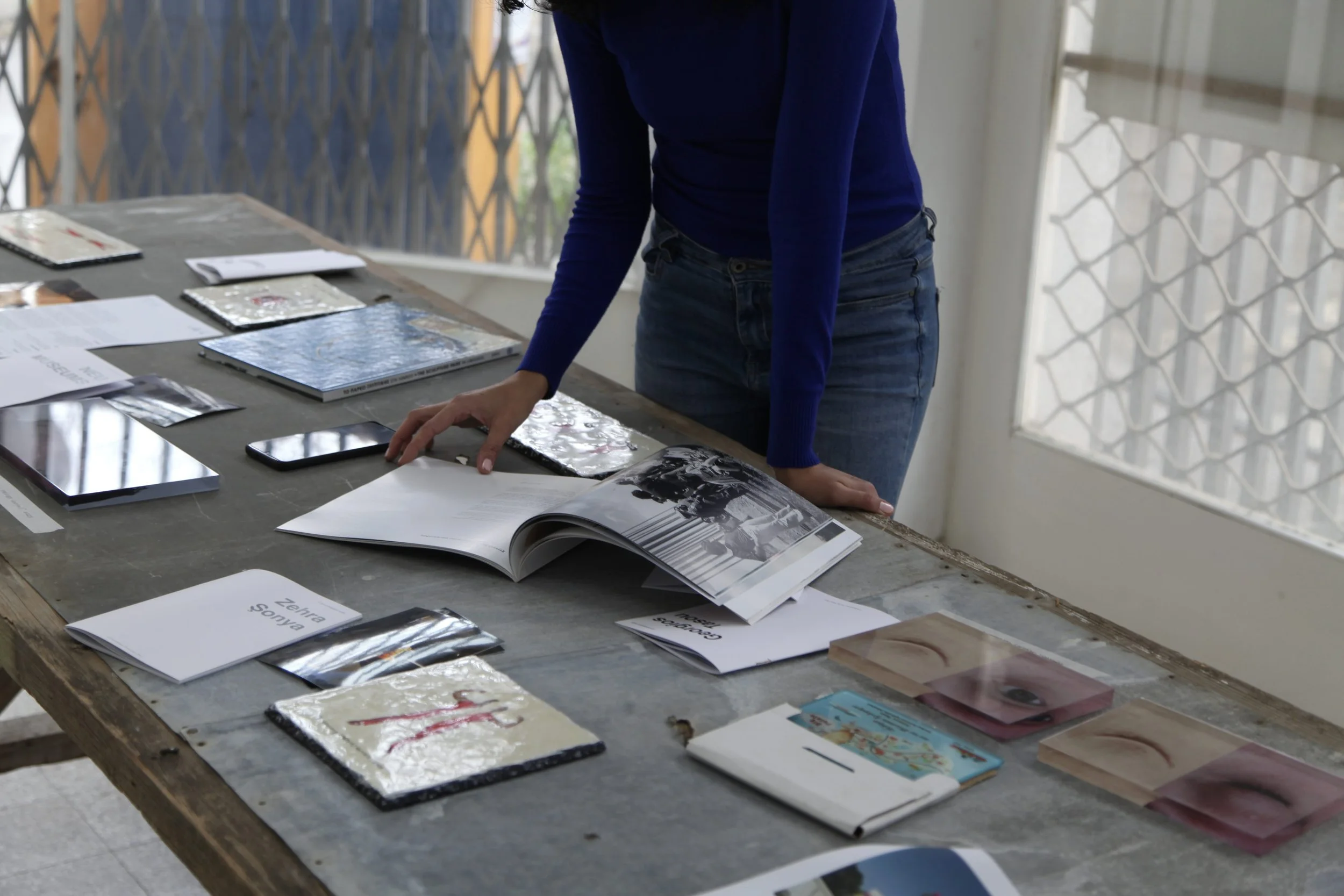
Rahme Veziroğlu’s work follows a situationist approach drifting between image, text, and collage to create a psychogeographical mapping of the public art monuments. She presents a series of drawings that showcase the interplay between monuments, urban space, and social context, engaging each time with a different public art monument arranged in a configuration reflecting the geography of Cyprus.
Veziroğlu signs her work with the emblematic stamp of "Occupy Buffer Zone" (OBZ). An intercommunal, grassroots movement (2011–2012) that reclaimed the Ledras/Lokmacı crossing and the Kykkos building that today hosts the exhibition, as a space of collective resistance.The reintroduction of the OBZ mark acts as a methodological bridge between past and present, and positions her contribution as a form of 'critical return'. Through this re-insertion, Veziroğlu proposes a renewed commons, where archival research, artistic practice, and civic memory converge. The Buffer Zone becomes legible as a commemorative landscape for intercommunal imagination and as a fertile site for rearticulating the island’s contested monumentalities.
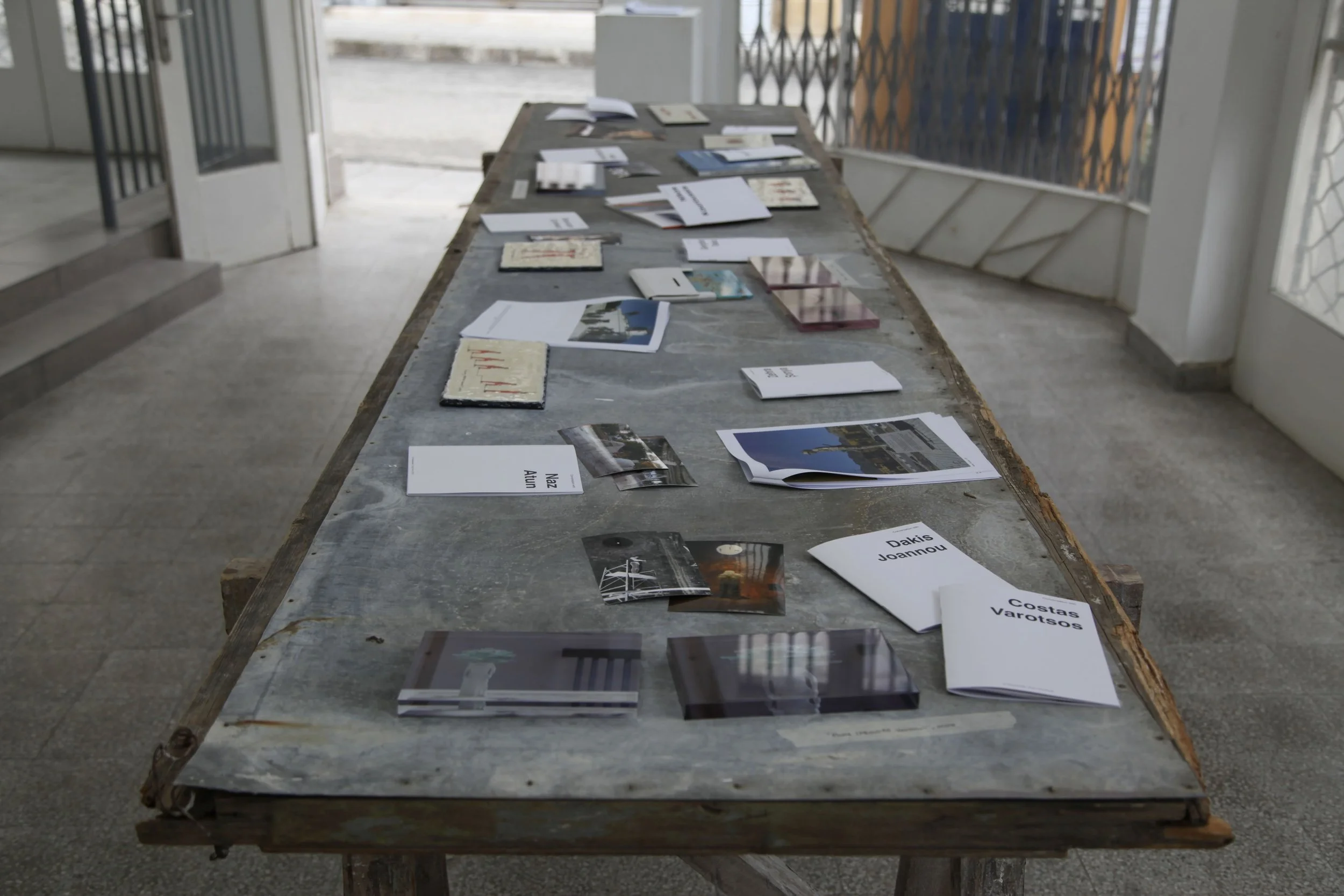
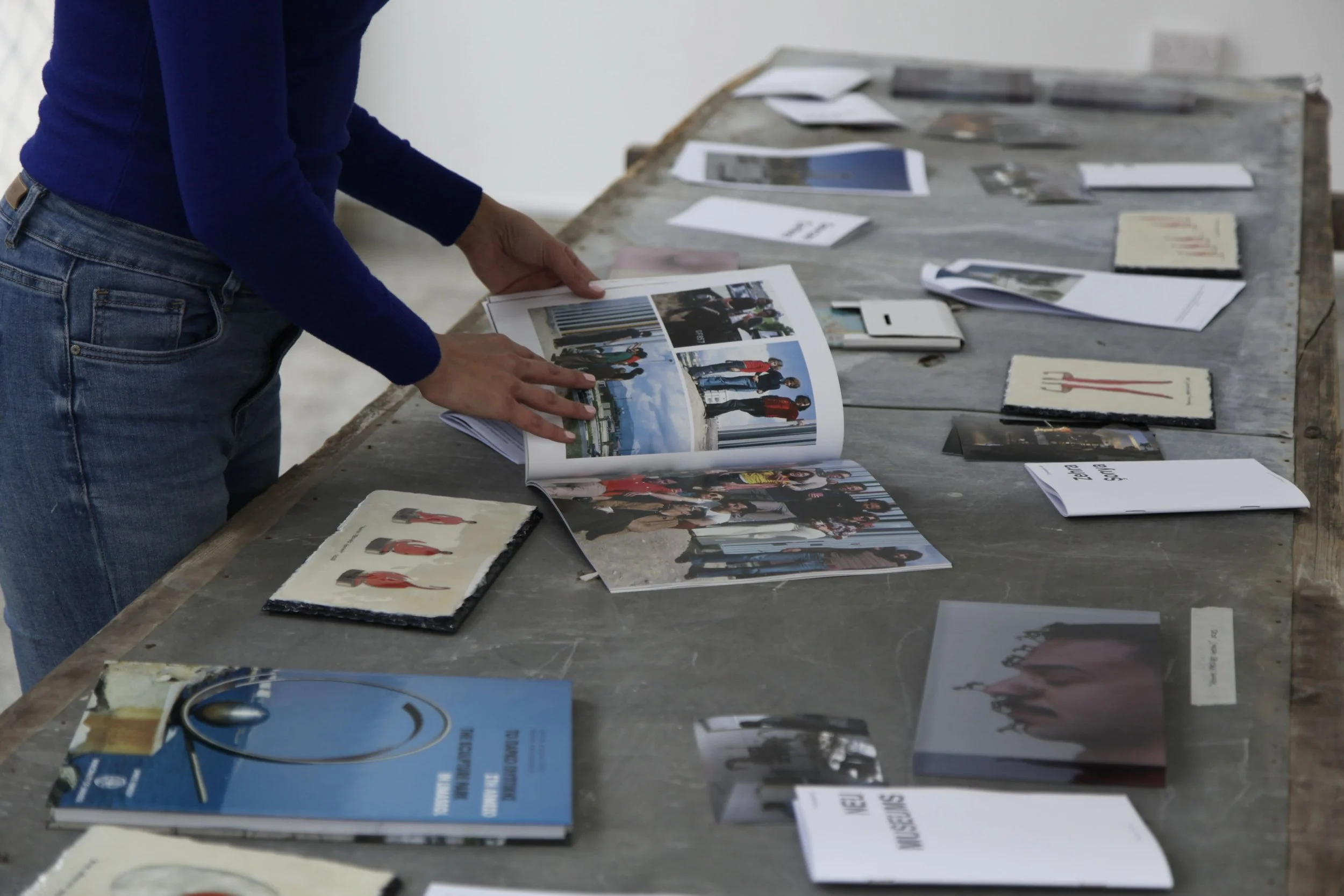
The exhibition presents archival materials, artistic studies, and stakeholder interviews as part of an intercommunal primary archive on the island’s public art monuments, understood as relational objects. These materials form the basis of the accompanying research study for the "Of Monumental" pilot, titled "Conversation with a sculptor / Conversation with a sculpture", mirroring PASHIAS video performance in 2008. The study led by Dr. Dimitris Venizelos and Selin Genç will be presented to the public in January 2026 in collaboration with the Visual Artists & Art Theorists Association - phytorio, as part of the "Minor gestures that take root in the cracks" programme. It includes conversations with Dr. Nadia Anaxagora, Naz Atun, Sevcan Çerkez, Dr. Ali Efdal Ozkul, Theodoulos Gregoriou, Dakis Ioannou, Maria Kyprianou, Nikos Kouroussis, Giorgos Tasou, Kostas Varotsos, Zehra Şonya, and Dr. Yiannis Toumazis.
Engaging with public art monuments across the divide, "Of Monumental" brings forth the complex network of agencies that shape their social life. Local authorities, civil society, donors, and the artists themselves emerge as regulators of the monument’s social life. The spatial and civic frameworks surrounding an artwork are as constitutive of its meaning as the work itself. These negotiations reveal the subtle interplay of power, care, and civic responsibility embedded in public art. This prompts a fundamental question: who holds the custodianship of public art, and how does that role shape the dialogue between artwork and audience? In Cyprus, such custodianship reflects not only institutional priorities but also the broader cultural and civic precarity in which monuments exist, highlighting how meaning emerges relationally, through ongoing engagement, contestation, and everyday life.
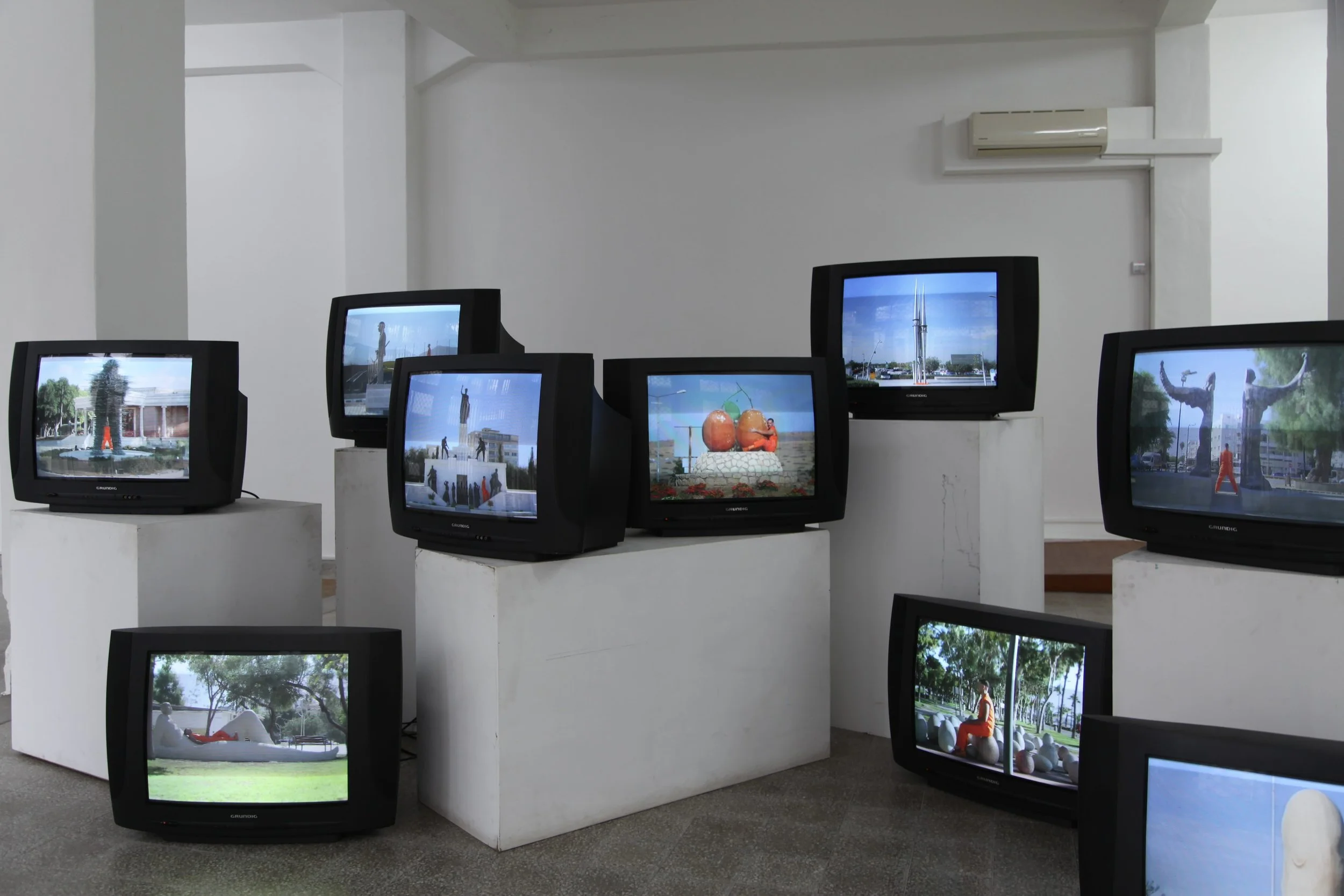
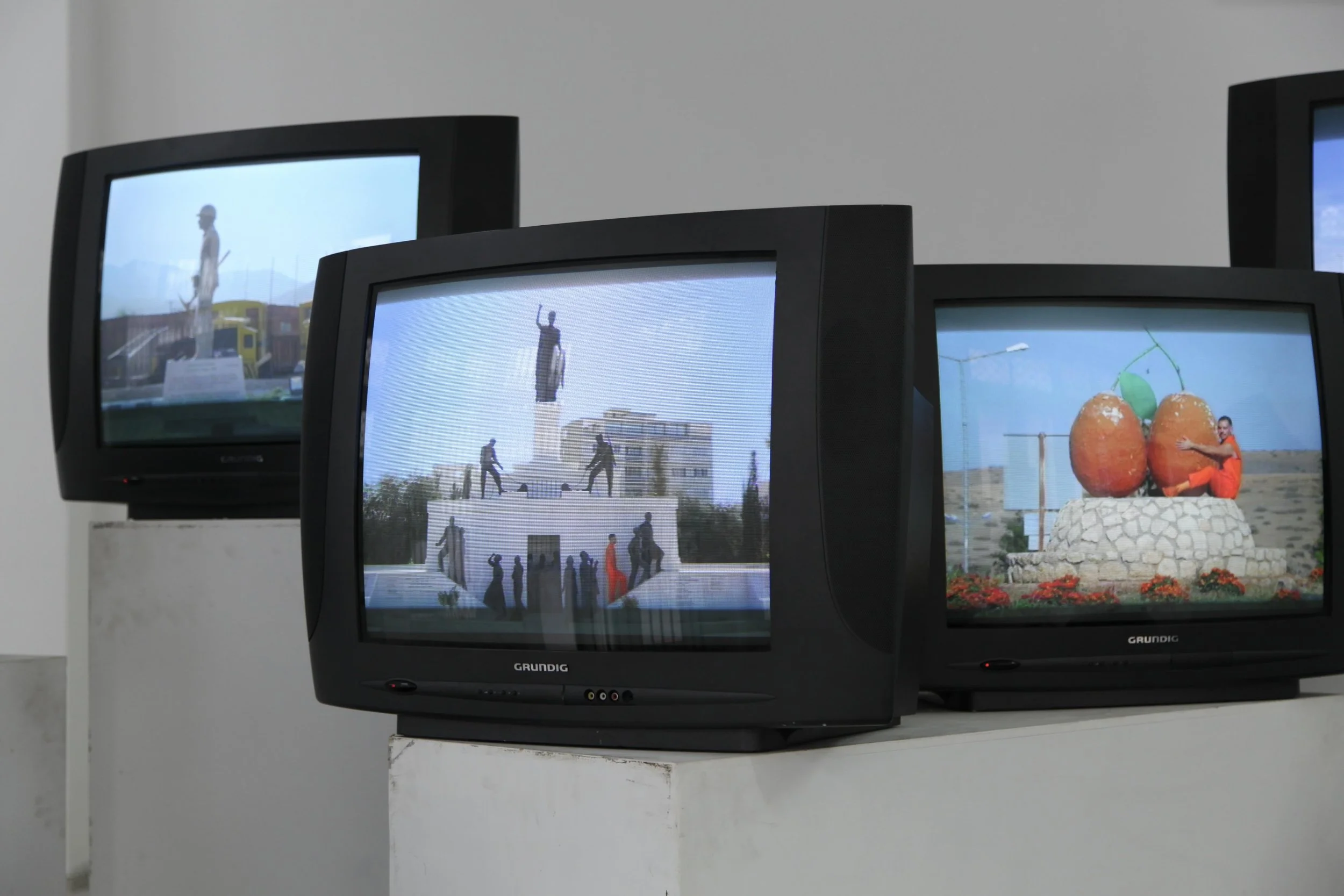
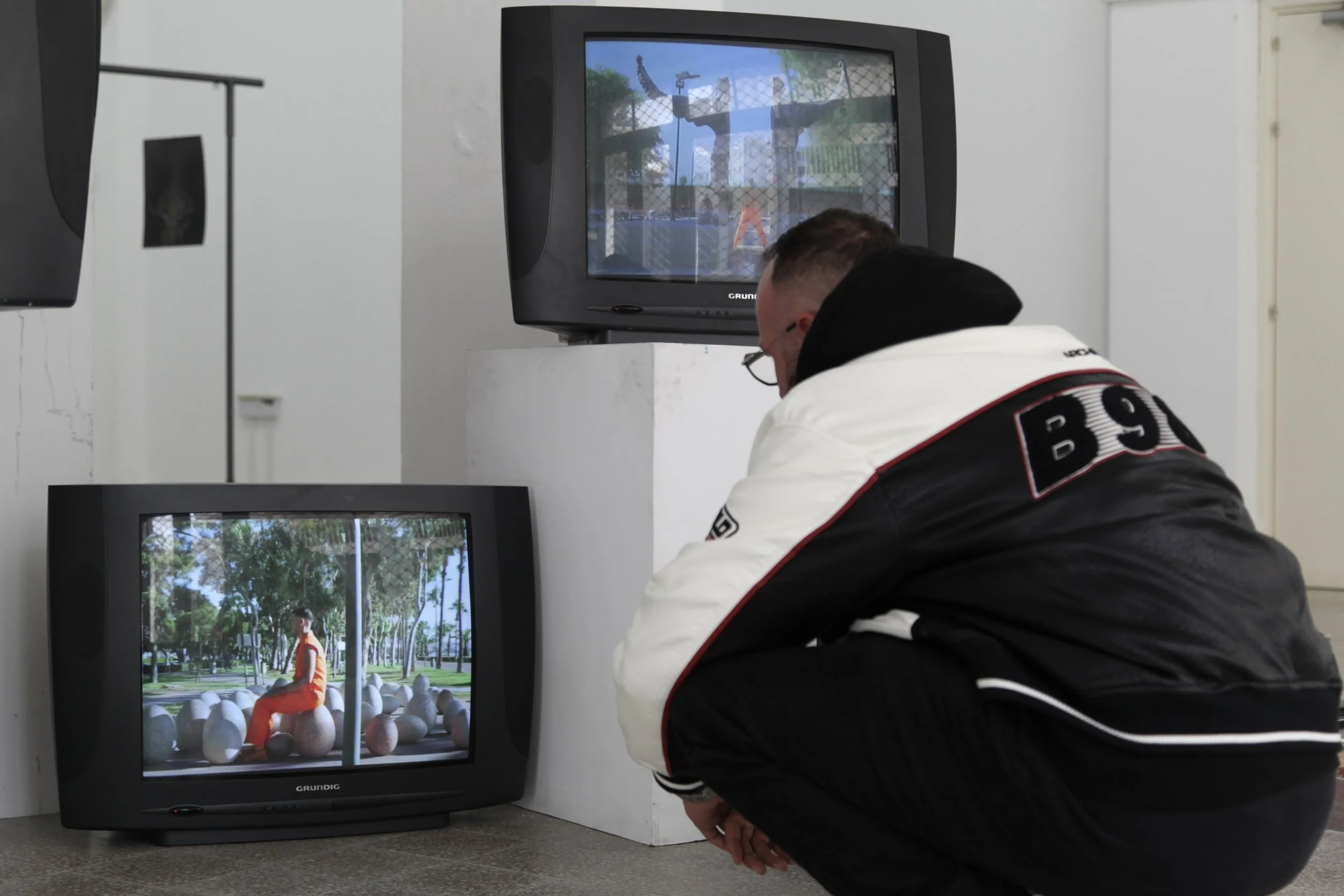
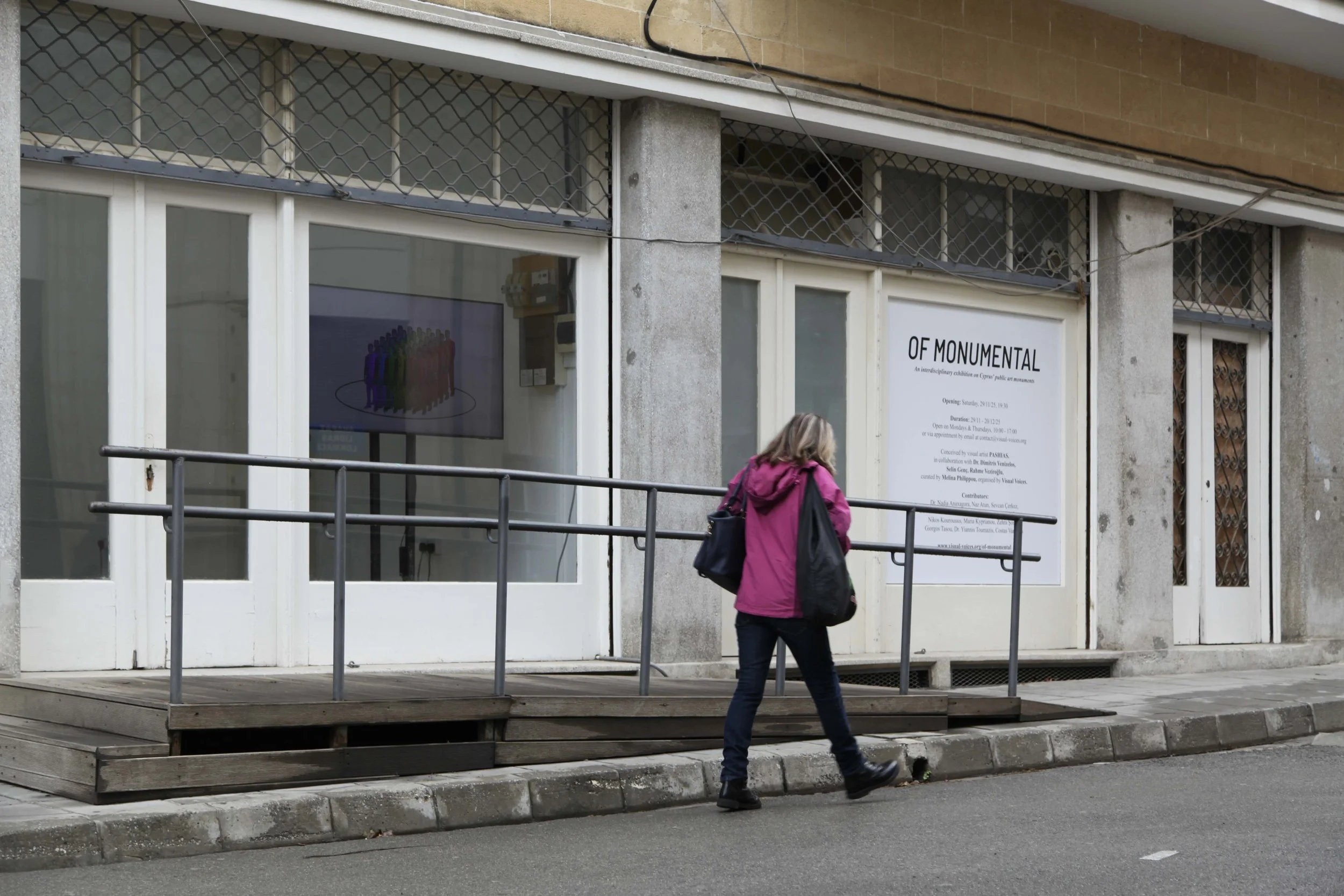
Photography: PASHIAS
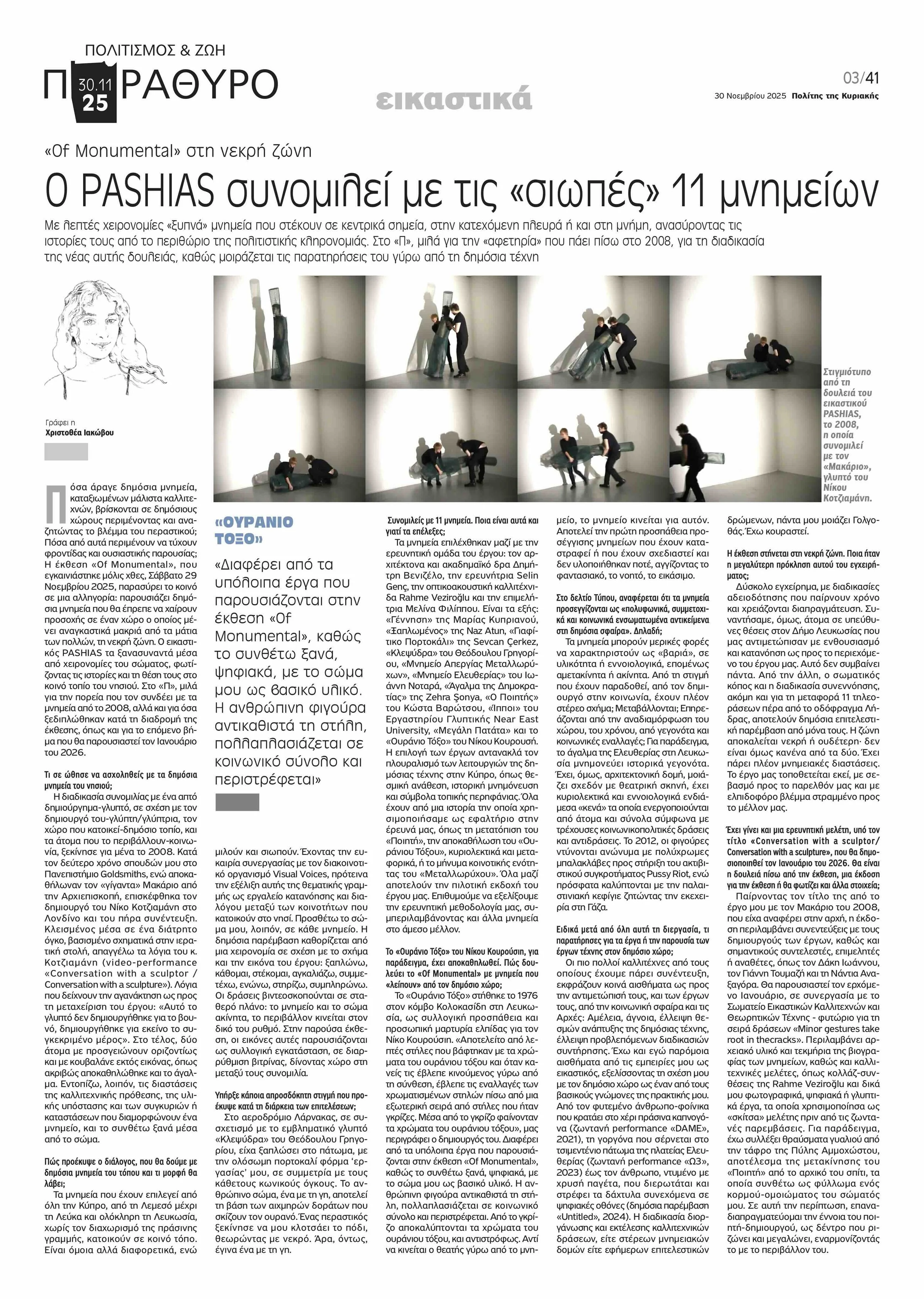
"Of Monumental" in the Buffer Zone - PASHIAS converses with the 'silences' of 11 monuments: Interview by journalist Christothea Iacovou (CI.) of PASHIAS (P.)
"Parathyro" for Politis Newspaper, 01/12/25 - Read Article (GR)
With subtle gestures, he 'awakens' monuments that stand in central locations, on the occupied side or even in our memories, pulling their stories out of the margins of cultural heritage. Speaking to "P", he talks about the 'starting point' that goes back to 2008, about the processes this new work entails, and he shares his observations on public art.
How many public monuments - by acclaimed artists, no less - stand in public spaces, waiting and searching for the gaze of the passerby? How many of them await care and genuine presence? The exhibition "Of Monumental", inaugurated on Saturday, 29 November 2025, draws the public into an allegory: it presents public monuments that should receive attention, yet in a space that is necessarily removed from the eyes of most - the Buffer Zone. Visual artist PASHIAS encounters them anew, through gestures of the body, illuminating their histories and their place in our island’s shared landscape. Speaking to "P", he describes the trajectory that has tied him to monuments since 2008, the unfolding of the exhibition’s methodologies, and the next steps, to be presented in January 2026.
CI: What prompted you to engage with the island’s public monuments?
P: The process of conversing with a tangible creation-sculpture, in relation to its creator - sculptor, the space it inhabits - public landscape and the people surrounding it - society, began for me in 2008. During my second year at Goldsmiths University, while the 'giant' Makarios was being removed from the Archbishop’s Palace, I visited and interviewed its creator, Nikos Kotziamanis. Enclosed inside a perforated volume, based on the 'shapes' of clerical vestment, I recite the words of Mr. Kotziamanis (video performance "Conversation with a sculptor / Conversation with a sculpture", 2008). Words that reveal his frustration regarding the ways his work has been 'treated': "This sculpture was not created for the mountain, it was created for that specific place." At the end, two people tilt me horizontally and carry me out of frame, in a similar manner to how the statue itself was removed. I, therefore, trace the dimensions of artistic intention, material presence, and the circumstances or conditions that shape a monument, and I recompose it through the body.
CI: How did the dialogue with the island’s public monuments emerge, and what form will it take?
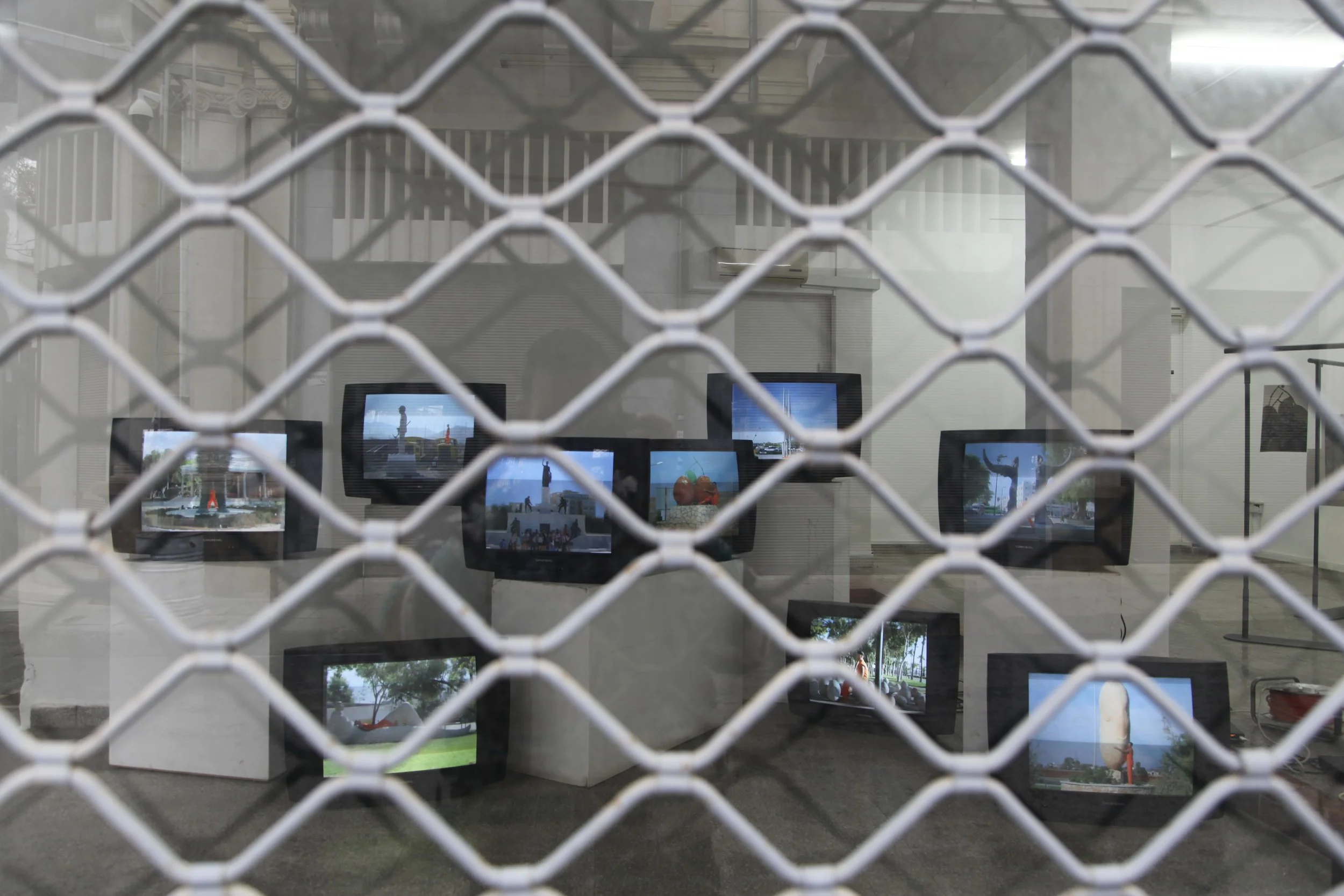
P: The selected monuments, located across Cyprus, from Limassol to Lefka, and all of Nicosia, beyond the divisive Green Line, inhabit a shared terrain. They are similar, yet different, they speak and they remain silent. Having the opportunity to collaborate with the intercommunal organization Visual Voices, I proposed the development of this thematic line as a tool for understanding and sharing among the island’s communities. Thus, I insert my body to each monument. Every public intervention is defined by a gesture, in relation to the form and image of the work: I lie down, sit, stand, embrace, participate, join, support, complete. These actions are filmed in a still frame: the monument and the body are motionless, the environment moves in its own rhythm. In the exhibition, these images are presented as a collective installation, arranged in the form of a display window, giving space for conversations among them.
CI: Was there an unexpected moment during the filming process?
P: At the Larnaca Airport, in relation to the emblematic sculpture "Clepsydra" by Theodoulos Gregoriou, I lay down on the floor in my orange worker’s suit, in symmetry with the vertical and conical volumes. The human body, one with the earth, becomes the base of sharp spears piercing the sky. A passerby started kicking my leg, thinking I was dead. Indeed, then, I became one with the earth.
CI: You are in dialogue with 11 monuments. Which ones are they, and why did you choose them?
P: The monuments were selected with the project’s research team: architect and academic Dr. Dimitris Venizelos, researcher Selin Genç, audio-visual artist Rahme Veziroğlu and curator Melina Philippou. They are: "Birth" by Maria Kyprianou, "Lying down" by Naz Atun, "Jaffa Orange" by Sevcan Çerkez, "Clepsydra" by Theodoulos Gregoriou, “Miners’ Strike Monument”, “Liberty Monument” by Ioannis Notaras, "Democracy Sculpture" by Zehra Şonya, "The Poet" by Costas Varotsos, "Horses" by the Near East University Sculpture Workshop, the "Big Potato", and "Rainbow" by Nikos Kouroussis. This selection reflects the plurality of public art functions in Cyprus: institutional commissions, historical commemoration, and pride symbols of local communities. Each one carries a narrative that we employ as the starting point of our research: such as the relocation of "The Poet", the removal of the "Rainbow", literally and metaphorically, or the message of unity in the "Miner". Together, they form the pilot version of our project. We hope to develop our research methodology further, including additional monuments in the near future.
CI: For example, Nikos Kouroussis’ "Rainbow" has been removed. How does "Of Monumental" work with monuments that are 'missing' from public space?
P: The "Rainbow" was erected in 1976 at the Kolokasides junction in Nicosia, as a collective effort and a personal testimony of hope by Nikos Kouroussis. "It consisted of thin columns painted in the colours of the rainbow, and when one moved around the composition, they saw the alternation of the coloured columns behind an outer row of grey ones. Through the grey, the colours of the rainbow appeared", the artist describes. It differs from the exhibition’s other works, as we recompose it digitally, with my body as its primary material. The human figure standing in for the column, multiplied into a social collective, continuously rotating. From grey, the colours of the rainbow are revealed, and vice versa. Instead of the viewer moving around the monument, the monument moves for them. It marks our first attempt to approach monuments that have been destroyed, or designed and never realized, touching on the imaginary, the made-up, the speculative.
CI: The press release mentions monuments approached as "polyphonic, participatory and socially embedded objects in the public sphere." How does this happen?
P: Monuments can sometimes be considered as 'heavy' - in materiality or in concept - and therefore, immovable or static. Once they are delivered from the creator to society, do they maintain a fixed form? Do they shift in form? Are they affected by transformations of space, of time, by events or social urgencies? For example, the "Liberty Monument" in Nicosia commemorates historical events. Yet, it possesses an architectural structure, it almost resembles a theatrical stage, and it contains literal and conceptual ‘gaps’ that are activated by individuals and social groups according to current socio-political actions and reactions. In 2012, the figures were anonymously dressed with colourful balaclavas in support of the activist group Pussy Riot, while recently they were covered with the Palestinian keffiyeh calling for ceasefire in Gaza.
CI: After this entire process, what do you observe about these works or the presence of public art in the urban space?
P: Most artists we interviewed express similar feelings regarding how they, and their works, are treated by society and the Authorities: neglect, ignorance, lack of institutional support in developing public art, lack of maintenance procedures. I share similar feelings from my own experiences as an artist, developing my relationship with public space into one of the core thematic axes of my practice. From the planted human-palm tree holding green smoke grenades (live performance "DAME", 2021), to the mermaid crawling across the concrete floor of Eleftherias Square (live performance "Ω3", 2023), to the figure dressed in golden sequins, questioning and continously twisting its fingers on digital screens (public intervention "Untitled", 2024). The process of organizing and executing public artworks, whether solid monument structures or ephemeral performance actions, always feels like a Golgotha to me. I am exhausted.
CI: The exhibition is situated in the Buffer Zone. What was the biggest challenge?
P: It’s been a difficult endeavour, with licensing procedures that take time and require negotiations. Yet, we met people in responsible positions at the Municipality of Nicosia, who approached us with enthusiasm and understanding for the project’s scope. This is not always the case. On the other hand, the physical labour and coordination required, even in transporting 11 television sets across the Ledras Street checkpoint, constitute a public performance intervention in themselves. The Buffer Zone is often called 'dead' or 'neutral', but it is neither. It has, by now, taken on monumental dimensions. Our work is placed there with respect towards our past and with a hopeful gaze towards our future.
CI: A publication titled "Conversation with a sculptor / Conversation with a sculpture" will be published in January 2026. Will it be the work behind the exhibition, a research study stemming from the exhibition, or will it reveal other elements?
P: Borrowing its title from my work with Makarios in 2008, which I mentioned earlier, the publication includes interviews with the works’ creators, as well as significant contributors, curators or commissioners, such as Dakis Joannou, Yiannis Toumazis and Nadia Anaxagora. It will be presented this coming January in collaboration with the Visual Artists & Art Theorists Association - phytorio, for the series of events "Minor gestures take root in the cracks". It includes archival material and evidence of the monuments’ biographies, as well as new artistic results: collage-compositions by Rahme Veziroğlu, and my own photographic, digital, or sculptural works used as 'study sketches' before the public interventions. For instance, I have collected glass shards at Famagusta Gate, resulting from the relocation of "The Poet" from its first home, which I compose into foliage attached to a trunk-3D replica of my body. In this case, I renegotiate the notion of the poet-creator as tree, taking root into the ground and growing upwards, in harmony with its surrounding environment.
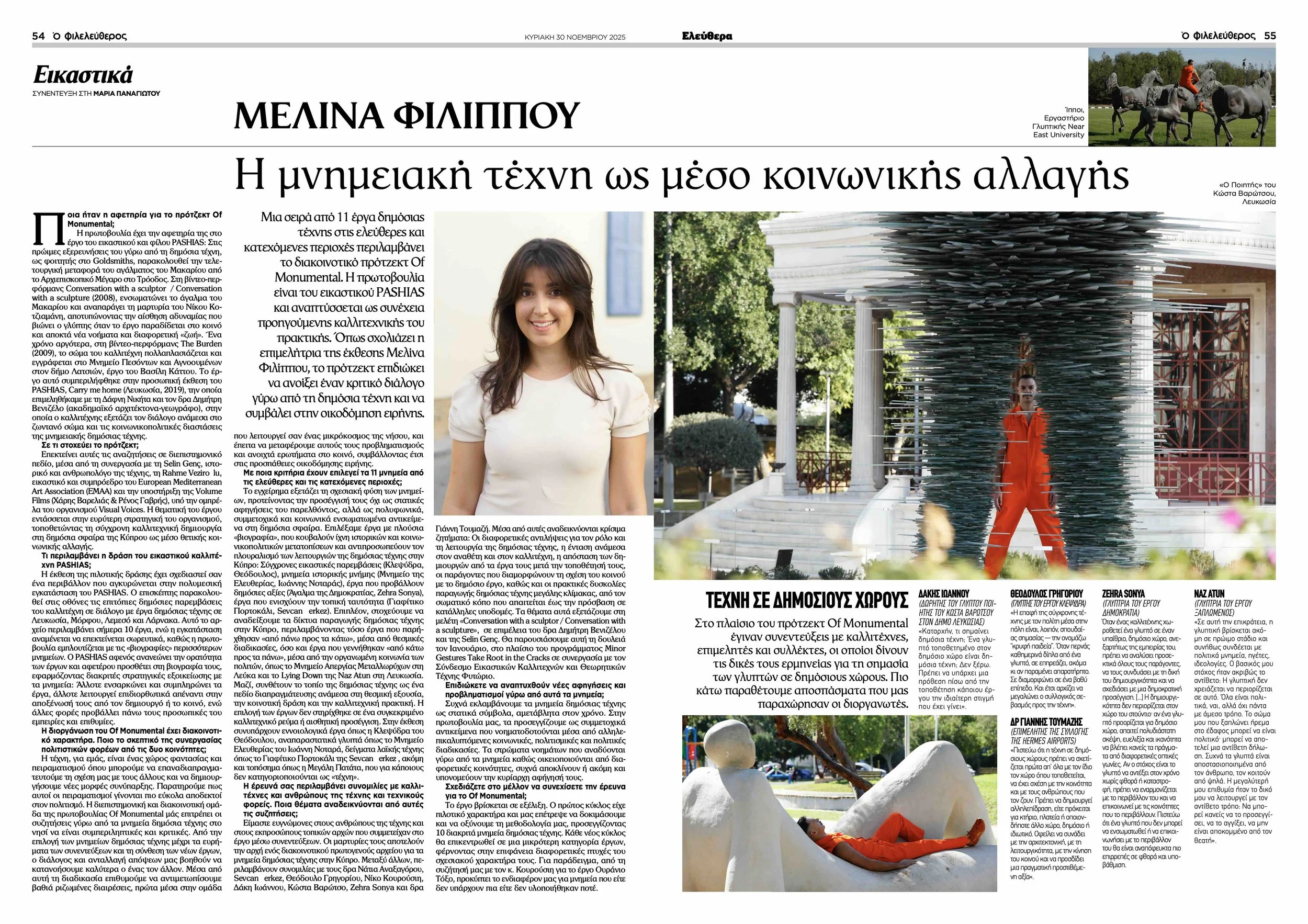
Monumental art as a means for social change: Interview by journalist Maria Panayiotou (MaP.) of Melina Philippou (MeP.)
"Elefthera" for Phileleftheros Newspaper, 01/12/25 - Read Article (GR)
A series of 11 public artworks in the free and occupied areas is included in the intercommunal project "Of Monumental". The initiative was conceived by artist PASHIAS and is a continuation of his previous artistic practice. As exhibition curator Melina Philippou comments, the project seeks to open a critical dialogue on public art and contribute to peacebuilding.
MaP: What was the starting point for the "Of Monumental" project?
MeP: The initiative has its origins in the work of artist and friend PASHIAS. In his early explorations of public art as a student at Goldsmiths, he witnessed the ceremonial transfer of the statue of Makarios from the Archbishop's Palace to Troodos. In the video performance "Conversation with a sculptor / Conversation with a sculpture" (2008), he 'impersonates' the statue of Makarios and reproduces the testimony of Nikos Kotziamanis, capturing the feeling of powerlessness experienced by the sculptor when his work is delivered to the public and acquires new meanings and a different 'life'.
MaP: How did PASHIAS's research progress from there?
MeP: A year later, in the video performance "The Burden" (2009), the artist's body is multiplied and inscribed on the "Monument to the Fallen and Missing" in the municipality of Latsia, an artwork by Vasilis Kattos. This work was included in PASHIAS' solo exhibition, "Carry me home" (Nicosia, 2019), which we curated with Daphne Nikita and Dr. Dimitris Venizelos (academic architect - geographer), in which the artist examines the dialogue between the living body and the socio-political dimensions of monumental public art.
MaP: What is the aim of the "Of Monumental" project?
MeP: It extends these explorations into an interdisciplinary field, continuing the collaboration with Dr. Venizelos and initiating collaboration with Selin Genç, art historian and anthropologist, Rahme Veziroğlu, visual artist and co-chair of the European Mediterranean Art Association (EMAA), and the support of Volume Films (Haris Varelias & Renos Gavris) in filming, under the umbrella of the Visual Voices organization. The theme of the project is part of the organization's broader strategy, placing contemporary artistic creation in the public sphere of Cyprus as a means of positive social change.
MaP: What criteria were used to select the 11 monuments from the free and occupied areas?
MeP: The project examines the relational nature of monuments, proposing that they be approached not as static narratives of the past, but as polyphonic, participatory, and socially embedded objects in the public sphere. We have selected works with a rich 'biography', which bear traces of historical and socio-political shifts and represent the pluralism of the functions of public art in Cyprus: Contemporary visual interventions ("Clepsydra", Theodoulos Gregoriou), monuments of historical memory ("The Liberty Monument", Ioannis Notaras), works that promote civic values ("Democracy Sculpture", Zehra Sonya), works that reinforce local identity ("Jaffa Orange", Sevcan Çerkez). In addition, we aim to highlight the networks of public art production in Cyprus, including both works produced from the top down through institutional processes and works created from the bottom-up through grassroots action such as the "Miners Strike Monument" in Lefka and Naz Atun's "Lying Down" in Nicosia. Together, they compose the landscape of public art as a field of negotiation between institutional agendas, community agency, and artistic practice.
MaP: How did you decide to include sculptures of 'questionable' aesthetic value?
MeP: The selection of works was not based on a specific artistic movement or aesthetic approach. The exhibition features conceptual works such as Theodoulos' "Clepsydra", representational sculptures such as Ioannis Notaras' "The Liberty Monument", examples of folk art such as "Jaffa Orange" by Sevcan Çerkez, and even landmarks such as the "Big Potato", which some would not classify as 'art'.
MaP: What is the common denominator?
MeP: The cultural significance of the works and their multifaceted and changing relationship with the public over time, without any moralistic judgment of their aesthetic approach. This allowed us to ascertain, already from the pilot phase, that high art is not a determining factor in the public's perception of the monument. The most important role seems to be the dialogical strategy of the creator, and the way the custodian of the work, usually the local authority, manages its relationship with the public. Its longevity and social significance depend on this ongoing negotiation.
MaP: Are you seeking to develop new narratives and reflections around these monuments?
MeP: We often perceive public art monuments as static symbols, unchanged over time. In our initiative, we approach them as participatory objects that are given meaning through overlapping social, cultural, and political processes. The layers of meaning that emerge around the monuments as they are appropriated by different communities often diverge from or even undermine their dominant narrative.
MaP: Can you give us an example?
MeP: "The Liberty Monument" in Nicosia was commissioned by Makarios to Ioannis Notaras in 1959 in honor of the anti-colonial struggle, recognized as a monument to the EOKA struggle by the House of Representatives in 1987, and officially inaugurated a few months ago. Over time, it has acquired multiple social interpretations. In 2012, the heads of the figures were anonymously covered with the colorful hoods of the activist group Pussy Riot, in 2017, Lia Haraki reacted to the sculptural studies for the "Liberty Monument" at the Nicosia Municipal Arts Center, and in 2025, the head of Liberty was dressed in a Palestinian headscarf. These events highlight the nature of monuments as objects that resist the definitive and stable establishment of meaning. Through this approach, we seek to normalise contact with monuments as elements of everyday life, to which everyone can attribute meaning through personal and collective experiences. The public is invited to explore its agency in shaping the landscape of public art, actively contributing to the 'palimpsest' of their biography and its continuous reinterpretation.
MaP: The event is intercommunal in nature. What is the rationale behind the collaboration between cultural organizations from the two communities?
MeP: For us, art is a space for imagination and experimentation where we can renegotiate our relationships with others and create new forms of coexistence. We observe that these experiments are more accepted in the cultural sector. The interdisciplinary and intercommunal team of the "Of Monumental" initiative allows the discussions about public art monuments on the island to be inclusive and critical. From the selection of public art monuments to the findings of the interviews and the composition of new works, our dialogue and exchanges help us to better understand each other. Through this process, we wish to address deeply rooted divisions, first within the group, which functions as a microcosm of the island, and subsequently to convey these concerns and open questions to the public, thereby contributing to peace-building efforts.
MaP: Your research includes conversations with artists, art professionals, and art institutions. What themes emerge from these discussions?
MeP: We are grateful to the artists and local authority representatives who participated in the project through interviews. Their testimonies form the basis of an intercommunal primary archive for public art monuments in Cyprus. Among others, they include conversations with Nadia Anaxagora, Sevcan Çerkez, Theodoulos Gregoriou, Nikos Kouroussis, Dakis Ioannou, Kostas Varotsos, Zehra Şonya, and Yiannis Toumazis. These conversations highlight critical issues: different perceptions of the role and function of public art, the tension between the commissioning body and the artist, the distance between creators and their works after those are delivered to the public, the factors that shape the public's relationship with public art, as well as the practical difficulties of producing large-scale public art, from the physical effort required to access to suitable infrastructure. We examine these issues in the study "Conversation with a sculptor / Conversation with a sculpture", edited by Dr. Dimitris Venizelos and Selin Genç. We will present this work in January, as part of the "Minor gestures take root in the cracks program", in collaboration with the Visual Artists & Art Theorists Association - phytorio.
MaP: What does the work of visual artist PASHIAS involve?
MeP: The pilot action exhibition is designed as an environment anchored in the PASHIAS multimedia installation. Visitors watch the artist's on-site public interventions in dialogue with public artworks in Nicosia, Morphou, Limassol, and Larnaca. This archive currently includes 10 works, and the installation is expected to expand cumulatively as the initiative is enriched with the 'biographies' of more monuments. PASHIAS, renews the visibility of the artworks and adds to their biography by applying distinct strategies of engagement: Sometimes he embodies and complements the works, sometimes he repairs their alienation with the creator or the public, while other times he projects his own personal experiences and desires onto them.
MaP: How does Rahme Veziroğlu approach the subject of monuments?
MeP: She presents a series of zines, each of which approaches a different public monument through a composition that functions as a psychogeographical map. The zines include introspective experiments with collage and text, while her photographs function as a research tool, highlighting the relationships between the works, the space, and the social context.
MaP: Do you plan to continue the research for "Of Monumental" in the future?
MeP: The project is ongoing. The first cycle was of a pilot nature and allowed us to test and refine our methodology, approaching 11 distinct public art monuments. Each new cycle will focus on a smaller category of works, bringing to light different aspects of their relational character. For example, our discussion with Mr. Kouroussis about the artwork "Rainbow" revealed our interest in monuments that either no longer exist or were never realized.
As part of the "Of Monumental" project, interviews were conducted with artists, curators, and collectors, who offer their own interpretations of the significance of sculptures in public spaces. Below are excerpts provided to us by the organizers:
Theodoulos Gregoriou (sculptor of "Clepsydra"): The contact between contemporary art and citizens within the city is therefore of great importance - I call it 'hidden education'. When you pass by a sculpture every day, it influences you, even if it goes unnoticed. It shapes you on a deep level. And so collective respect for art begins to grow.
Dr. Yiannis Toumazis (curator of the Hermes Airports collection, which includes "Clepsydra"): I believe that art in public spaces must first and foremost relate to the space itself, to the community and to the people who live there. It must create interaction, whether it is a building, a square, or any other space, public or private. It is obliged to be consistent with the architecture, functionality, and movement of the public, and it must provide real added value.
Dakis Ioannou (donor of "The Poet" by Costas Varotsos to the municipality of Nicosia): First of all, what does public art mean? Is a sculpture placed in a public space public art? I don't know. There must be an intention behind the placement of a work at the particular moment it was created.
Zehra Şonya (sculptor of "Democracy"): When an artist places a sculpture in an outdoor public space, regardless of their experience, they must carefully analyze all factors, combine them with their own creativity, and design with a democratic approach. […] Creativity is not limited to the studio space; if a sculpture is intended for public space, it requires multidimensional thinking, flexibility, and the ability to see things from different perspectives. If the goal is for the sculpture to withstand the test of time without damage or destruction, it must harmonize with its environment and communicate with the communities that surround it. I believe that a sculpture that cannot integrate or communicate with its environment will inevitably be more prone to deterioration and degradation.
Naz Atun (sculptor of "Lying Down"): In this region, sculpture is still in its infancy and is usually associated with political monuments, leaders, and ideologies. My main goal was exactly the opposite: sculpture does not need to be limited to this. Everything is political, yes, but not always in a direct way. My body lying calmly on the ground can be political; it can be a counter-statement. Sculptures are often distant from people, looking down on them. My greatest desire was for mine to work in the opposite way: for people to be able to approach it, touch it, for it not to be cut off from the viewer.
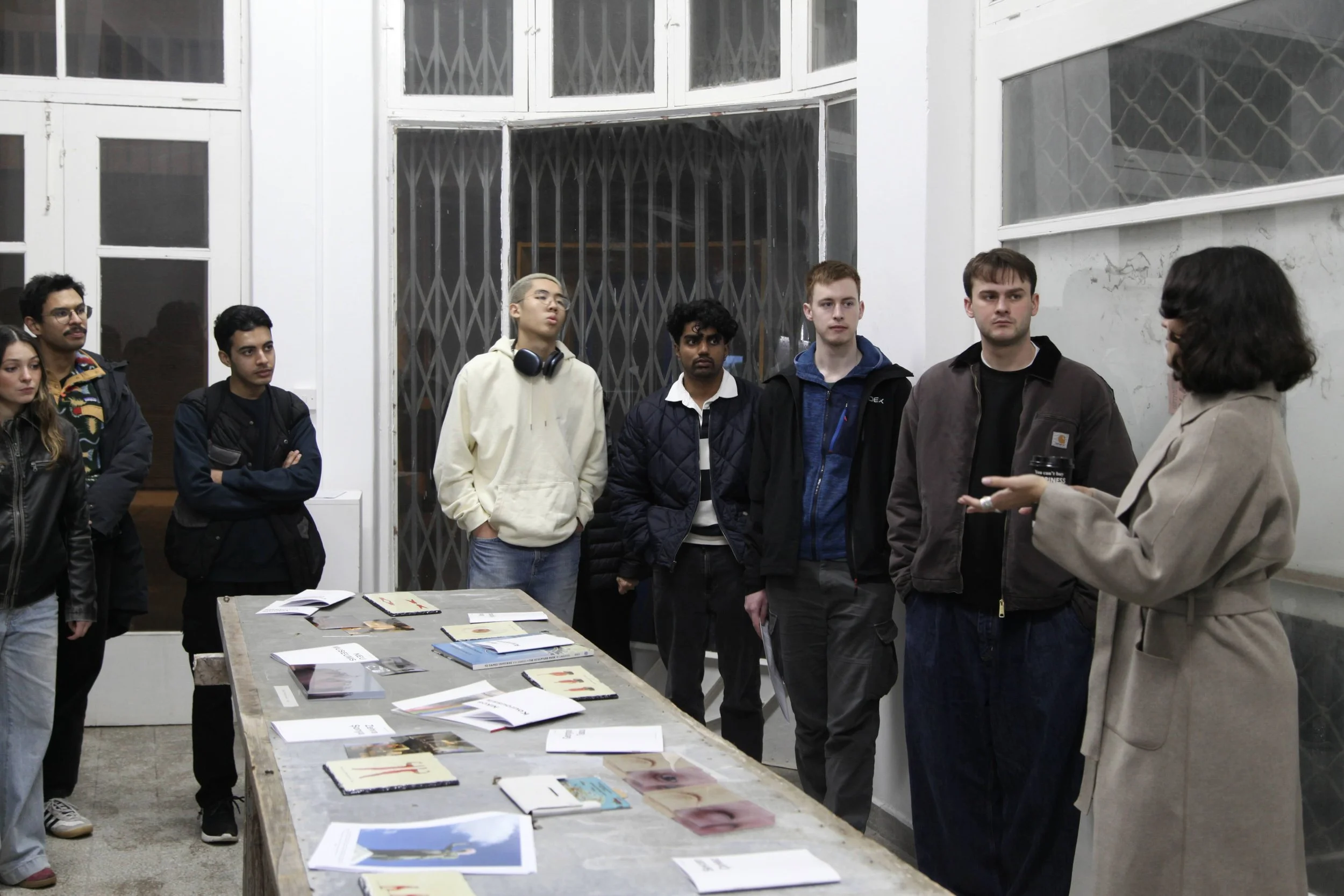
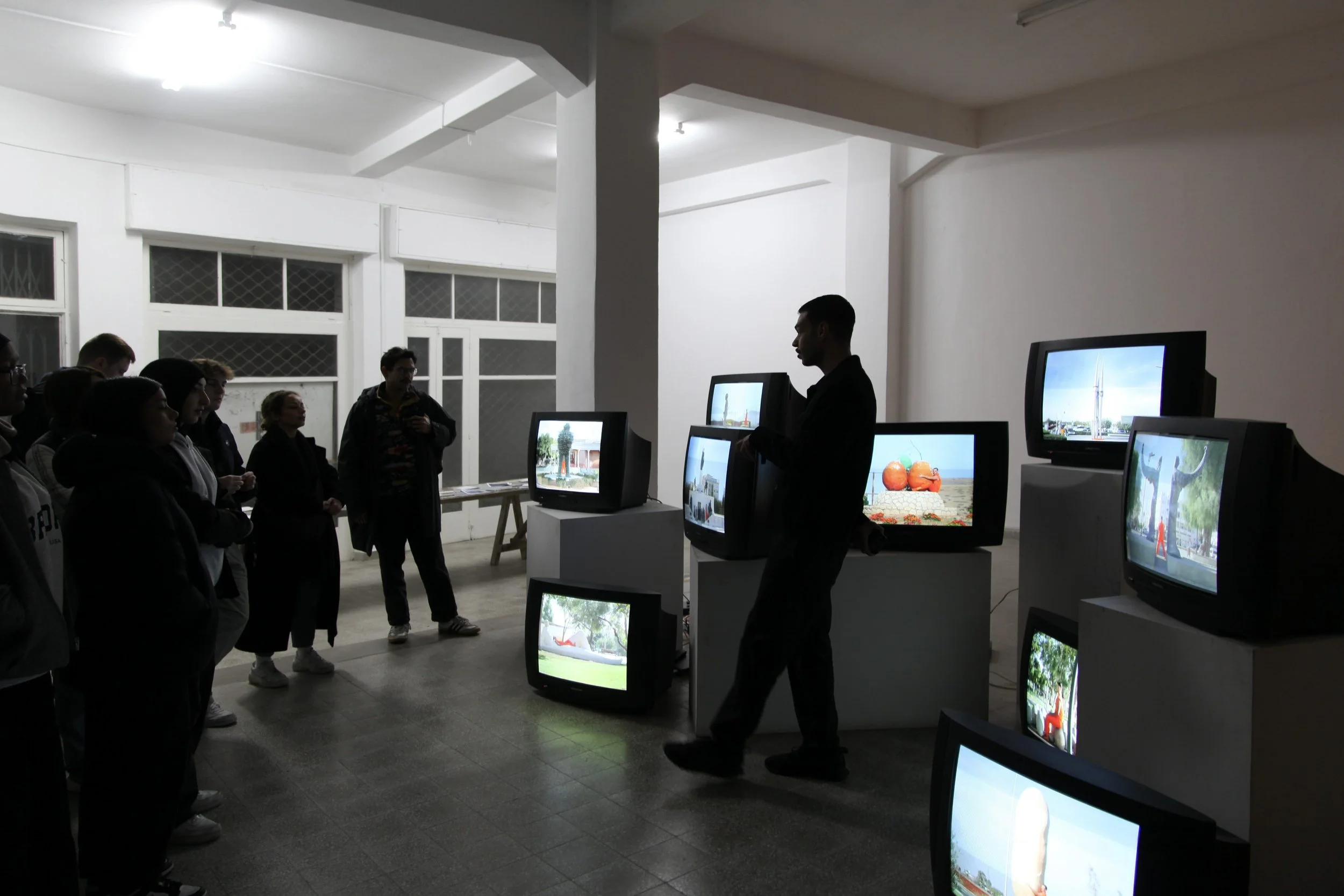
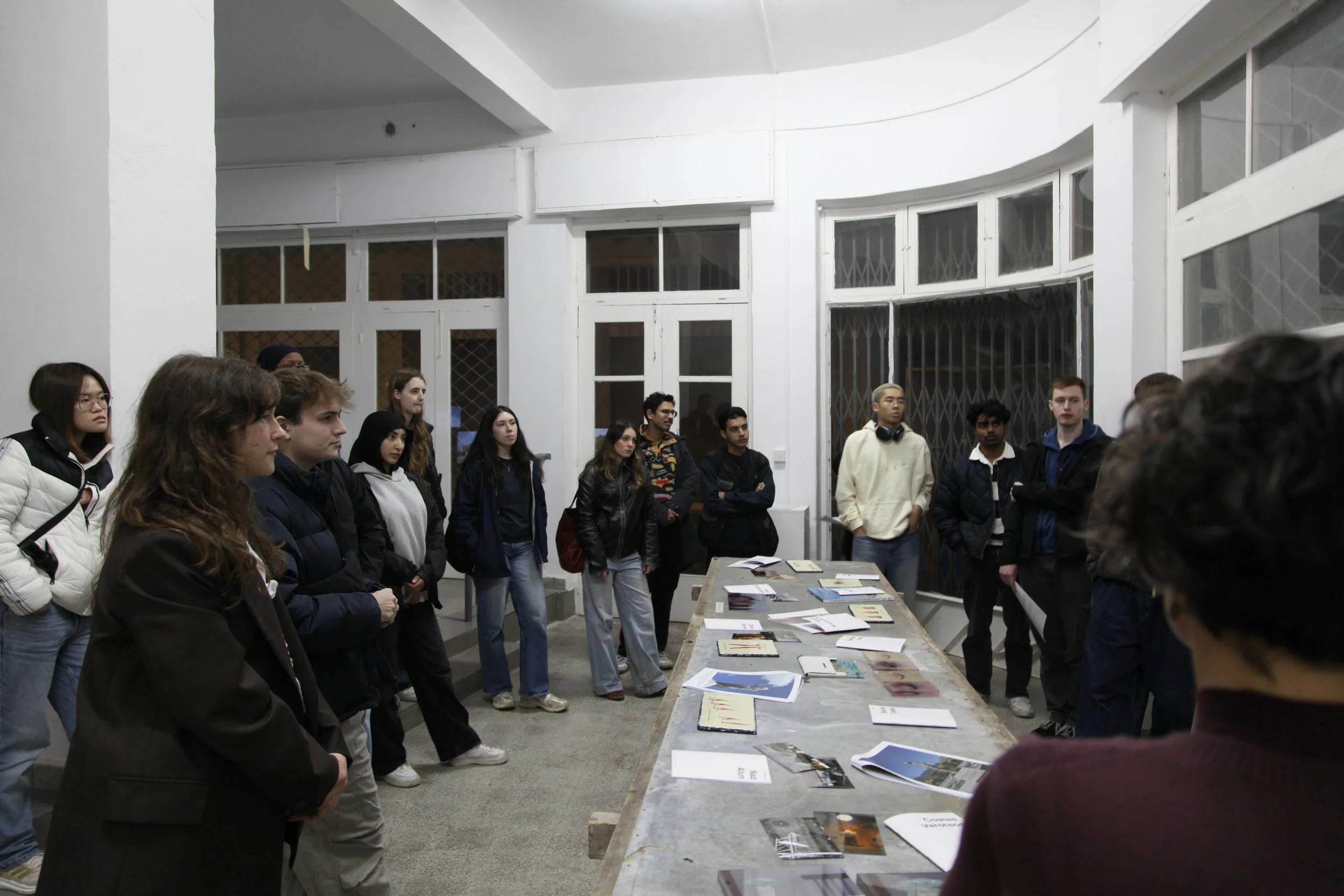
Exhibition tour with undergraduate students + faculty of the Department of Geography, King’s College London.
Photography: Selin Genç + PASHIAS
The Publication
Conversation with a sculptor / Conversation with a sculpture: Publication presentation, as part of the interdisciplinary research project on Cyprus' public art monuments "Of Monumental"
Press Release, January - 2026
Saturday, 31 January 2026, 14:00
phytorio - Visual Artists & Art Theorists Association (2, Nechrou Street, Nicosia Municipal Gardens)
"Of Monumental" is an ongoing intercommunal artistic and research initiative that opens a critical space for reflection and active engagement with the public art landscape of Cyprus. Conceived by visual artist PASHIAS and grounded in his long-term artistic inquiry, the initiative is implemented by intercommunal cultural non-profit organization Visual Voices, in collaboration with architect and academic Dr. Dimitris Venizelos, researcher Selin Genç, audiovisual artist Rahme Veziroğlu, and curator Melina Philippou. The pilot phase of the initiative took form as an exhibition within the Buffer Zone, at Nicosia Masterplan Hall, in December 2025, funded by the Deputy Ministry of Culture - Cyprus under the program Politismos II.
"Conversation with a sculptor / Conversation with a sculpture" is a research study and first-hand archive developed within the "Of Monumental" framework. Introduced by Dr. Dimitris Venizelos and Selin Genç, the publication examines eleven public art sculptures across the divide: "Birth" by Maria Kyprianou (2000, Limassol), "The Big Potato" (2021, Xylophagou), "Clepsydra" by Theodoulos Gregoriou (2009, Larnaca), "Democracy Sculpture" by Zehra Şonya (2019, Nicosia), "Horses" by the Near East University Sculpture Workshop (2021, Nicosia), "Jaffa Orange" by Sevcan Çerkez (2015, Lefke), "Lying Down" by Naz Atun (2021, Nicosia), "Miners’ Strike Monument" (2018, Lefke), "Liberty Monument" by Ioannis Notaras (1973, Nicosia), "The Poet" by Costas Varotsos (1983, Nicosia), and "Rainbow" by Nikos Kouroussis (1976, Nicosia) that was taken down later on.
Drawing on archival material and newly conducted interviews with Dr. Nadia Anaxagora, Naz Atun, Sevcan Çerkez, Dr. Ali Efdal Özkul, Theodoulos Gregoriou, Dakis Joannou, Nikos Kouroussis, Maria Kyprianou, Zehra Şonya, Giorgos Tasou, Dr. Yiannis Toumazis, and Costas Varotsos, the publication approaches public art monuments as relational objects shaped through social life, institutional frameworks, and everyday encounters.
The event, as part of phytorio's public programming "Minor gestures take root in the cracks", includes an introduction to the "Of Monumental" initiative by curator Melina Philippou, reflections on the artistic responses by PASHIAS and Rahme Veziroğlu, and a presentation of the publication’s research framework by Dr. Dimitris Venizelos and Selin Genç, followed by a round-table discussion with project contributors, respondents Dr. Stavroula Michael, Leontios Toumbouris, and Dr. Özlem Ünsal, open to all members of the public.
The initiative and artistic responses will be presented in English and in the contributors’ first language, the publication will be presented in Greek and Turkish, and the discussion will be conducted in English.
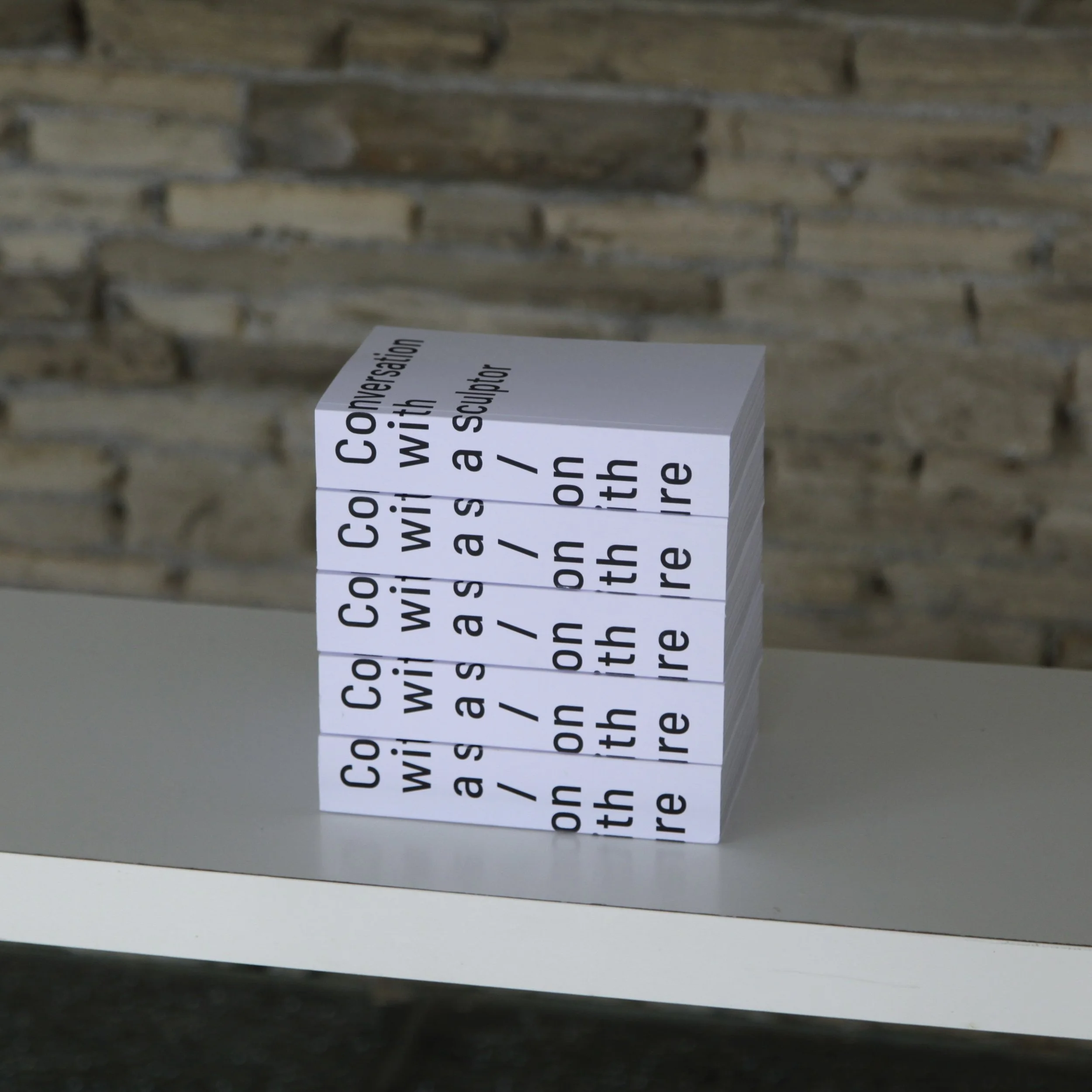
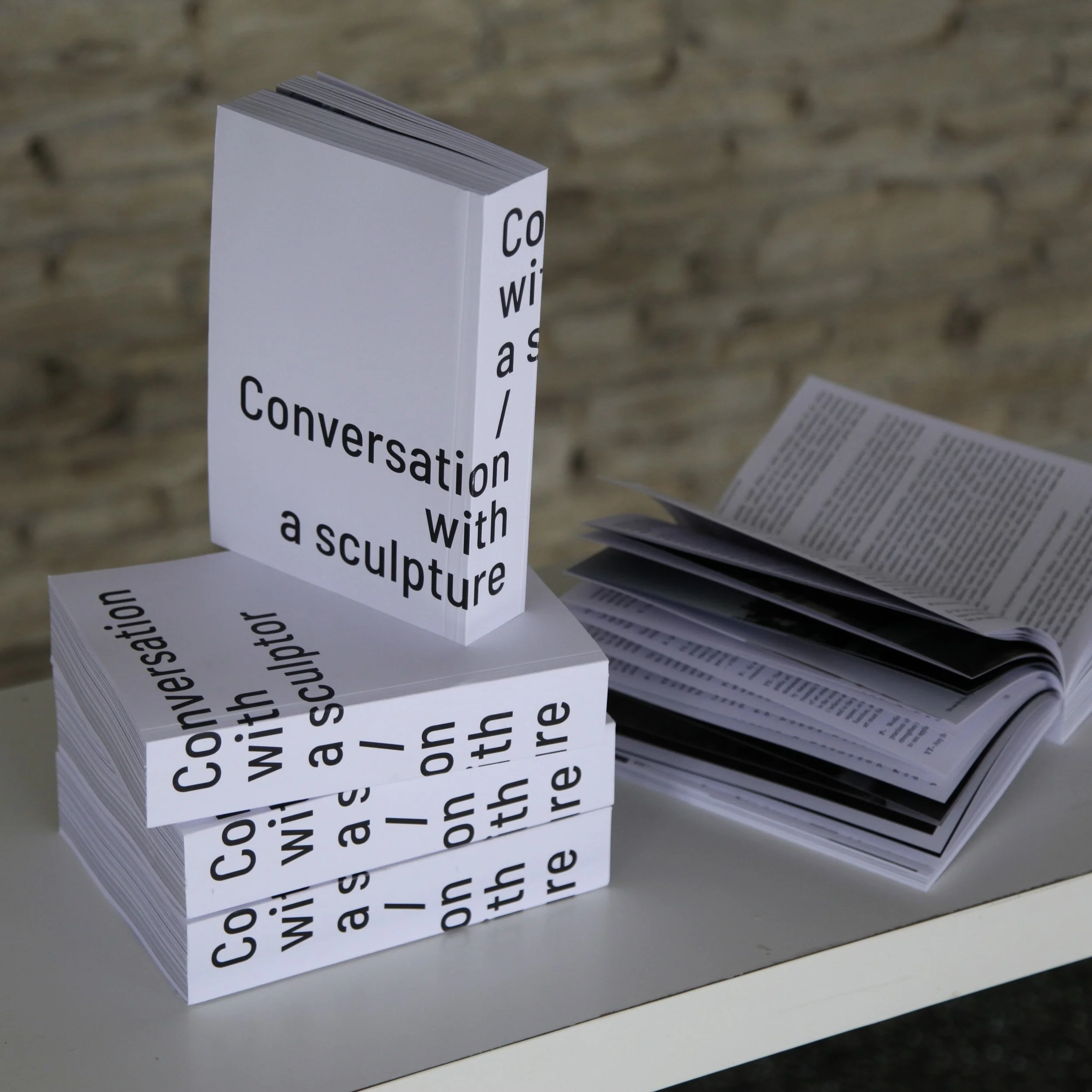
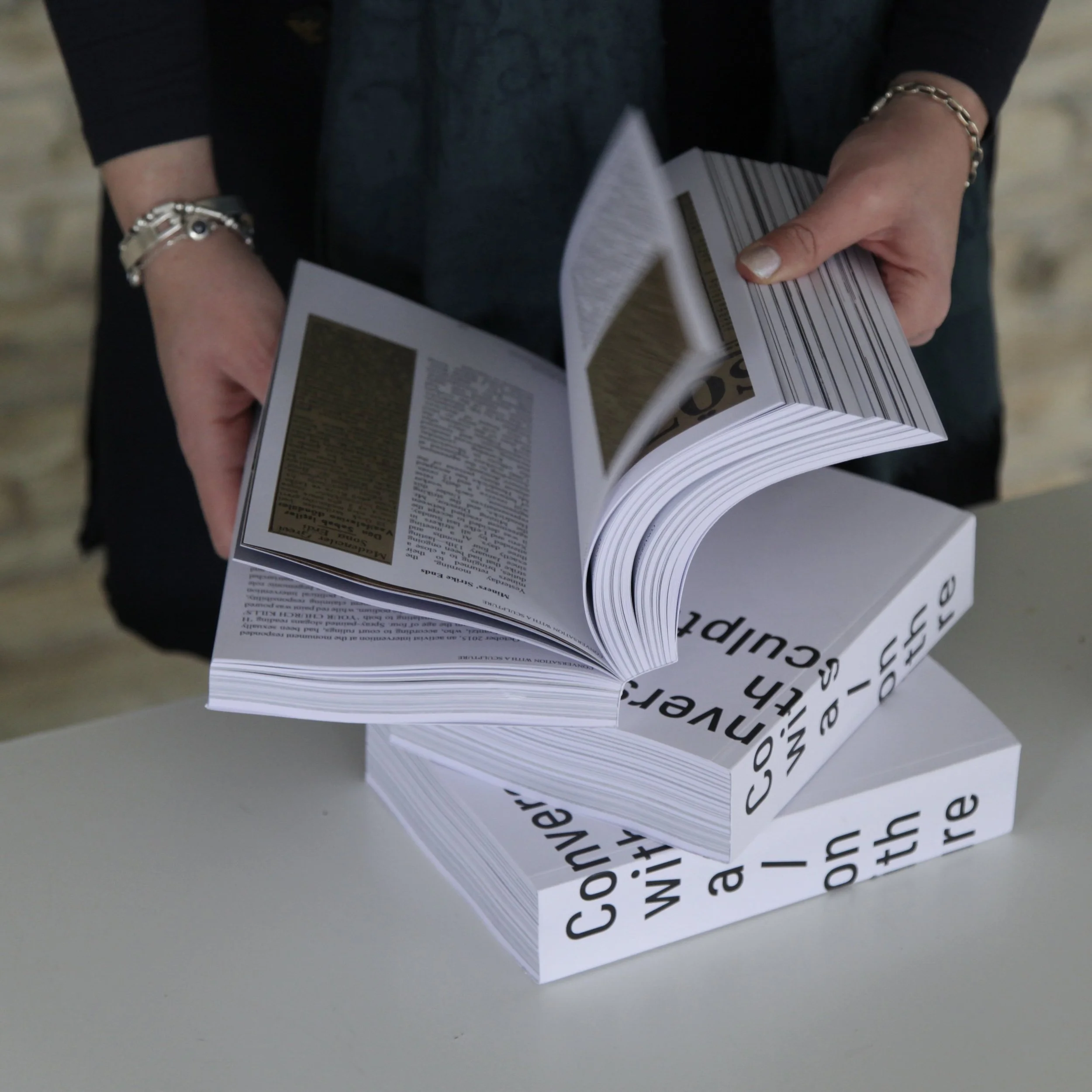
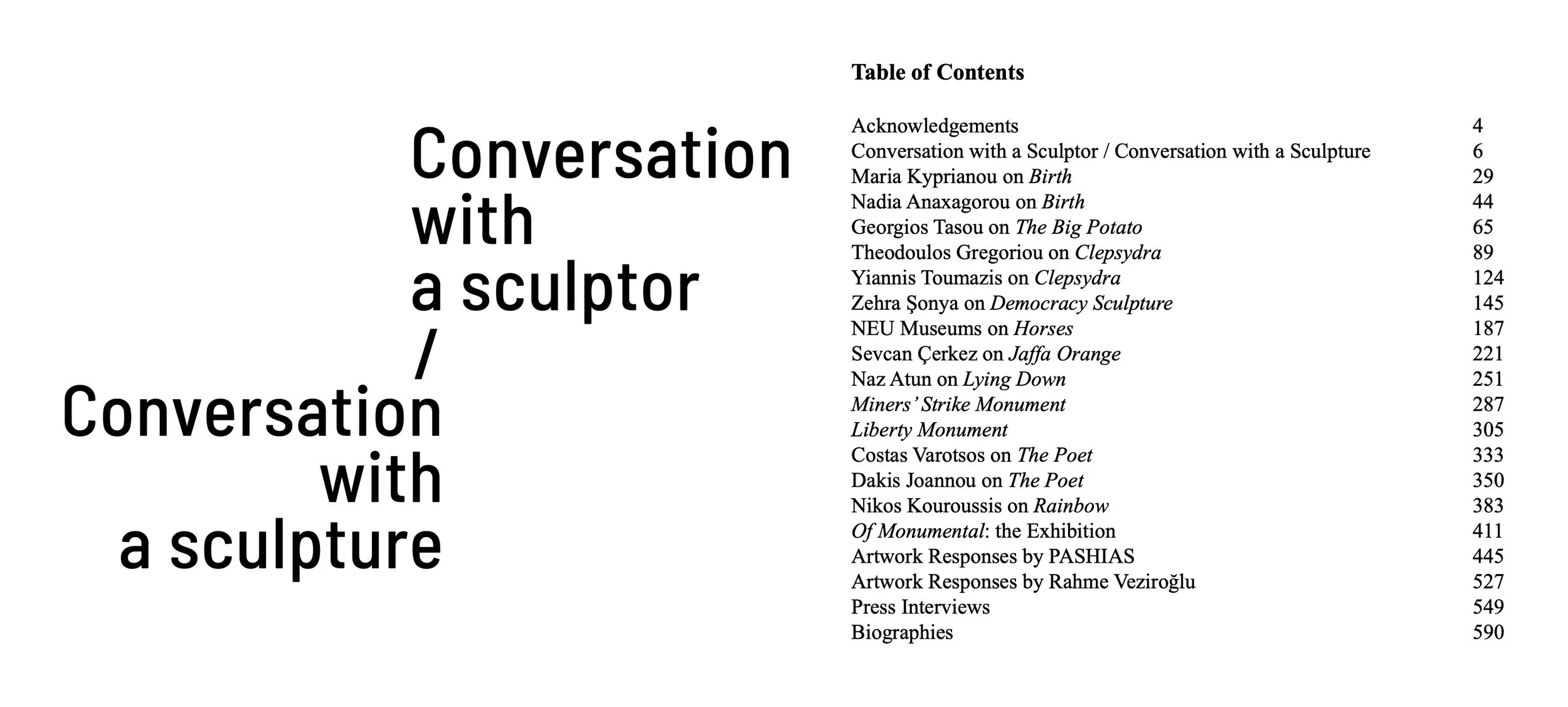
If interested, please send an email to contact@pashias.art or melina@visual-voices.org to get access to the publication’s digital version.
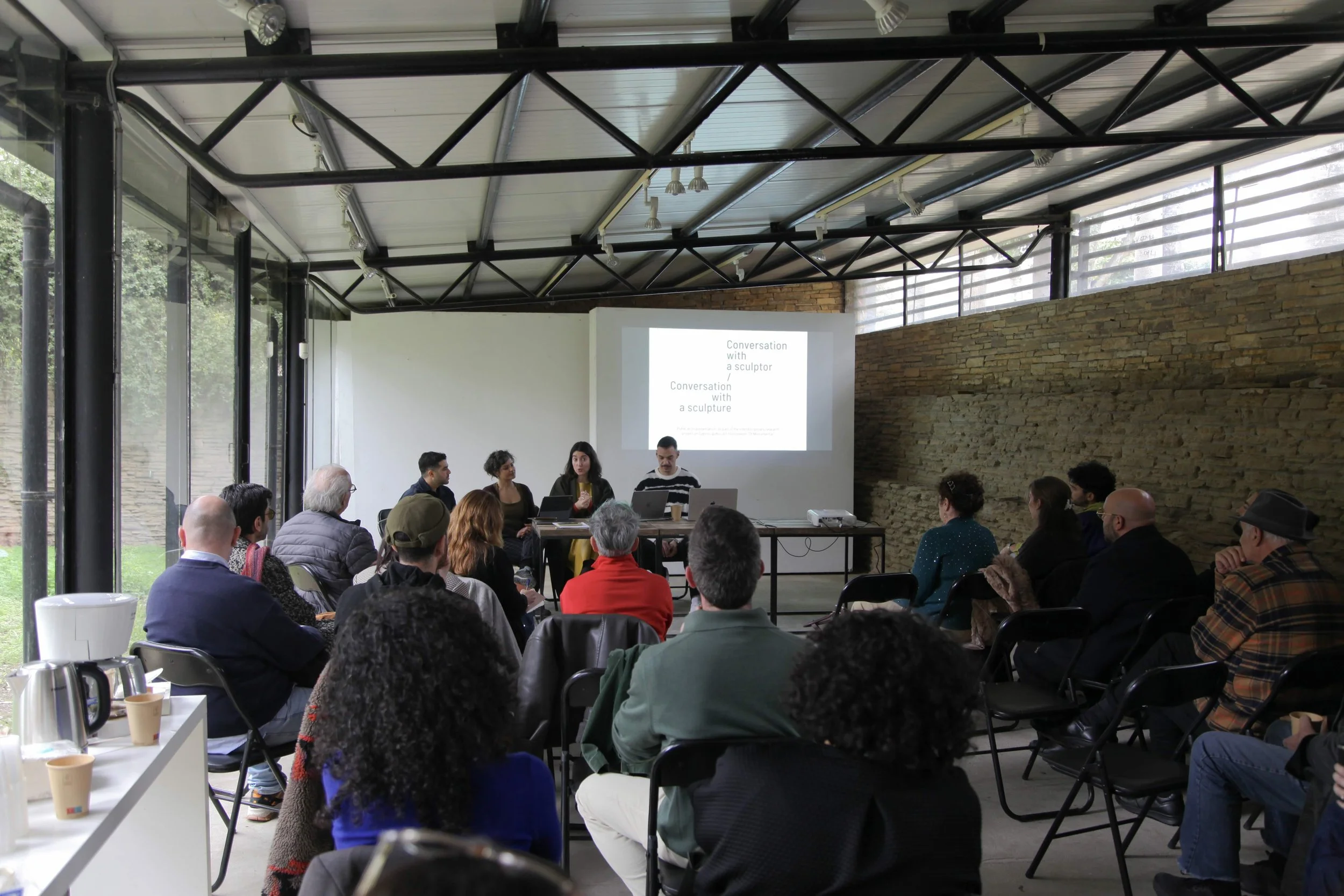
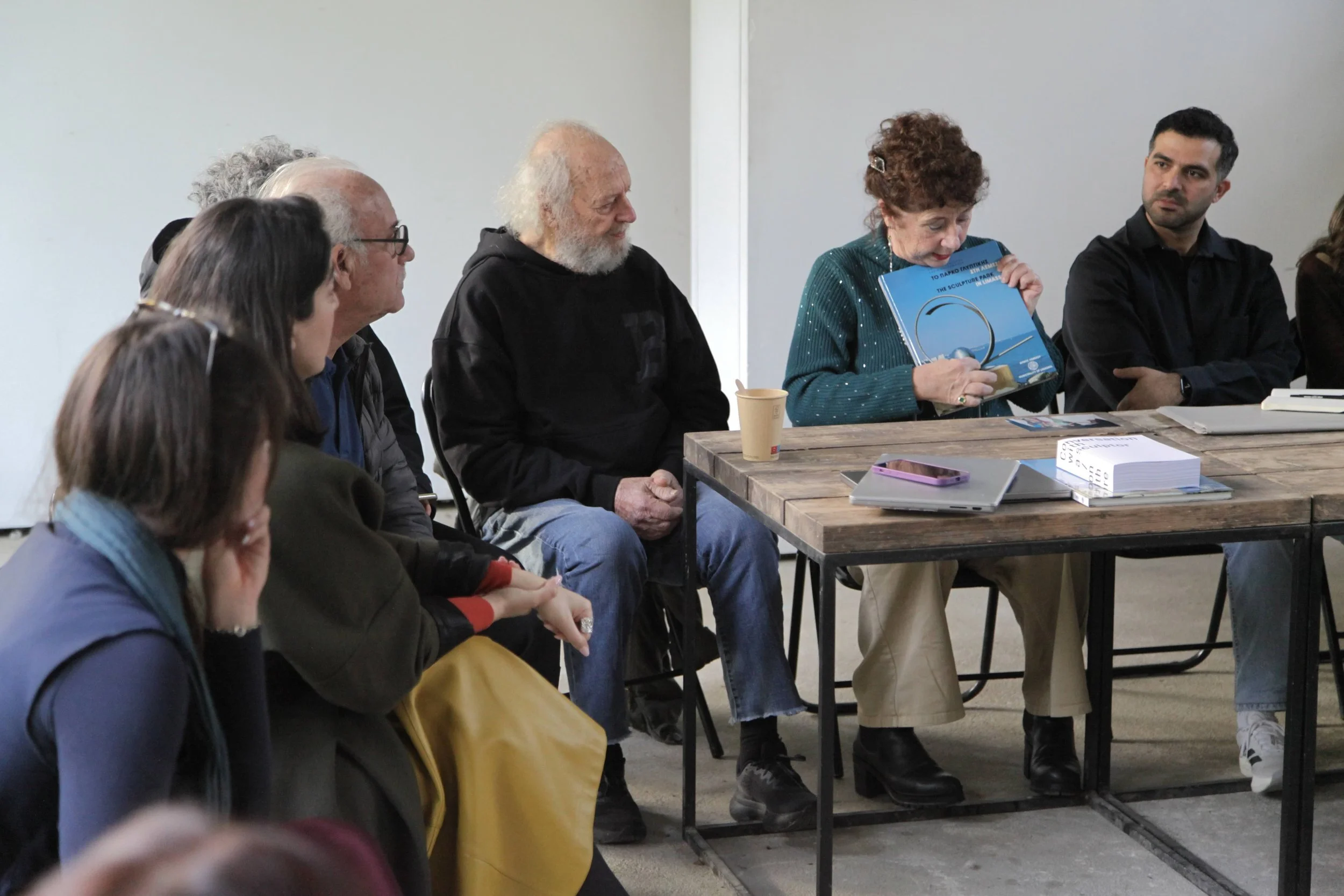
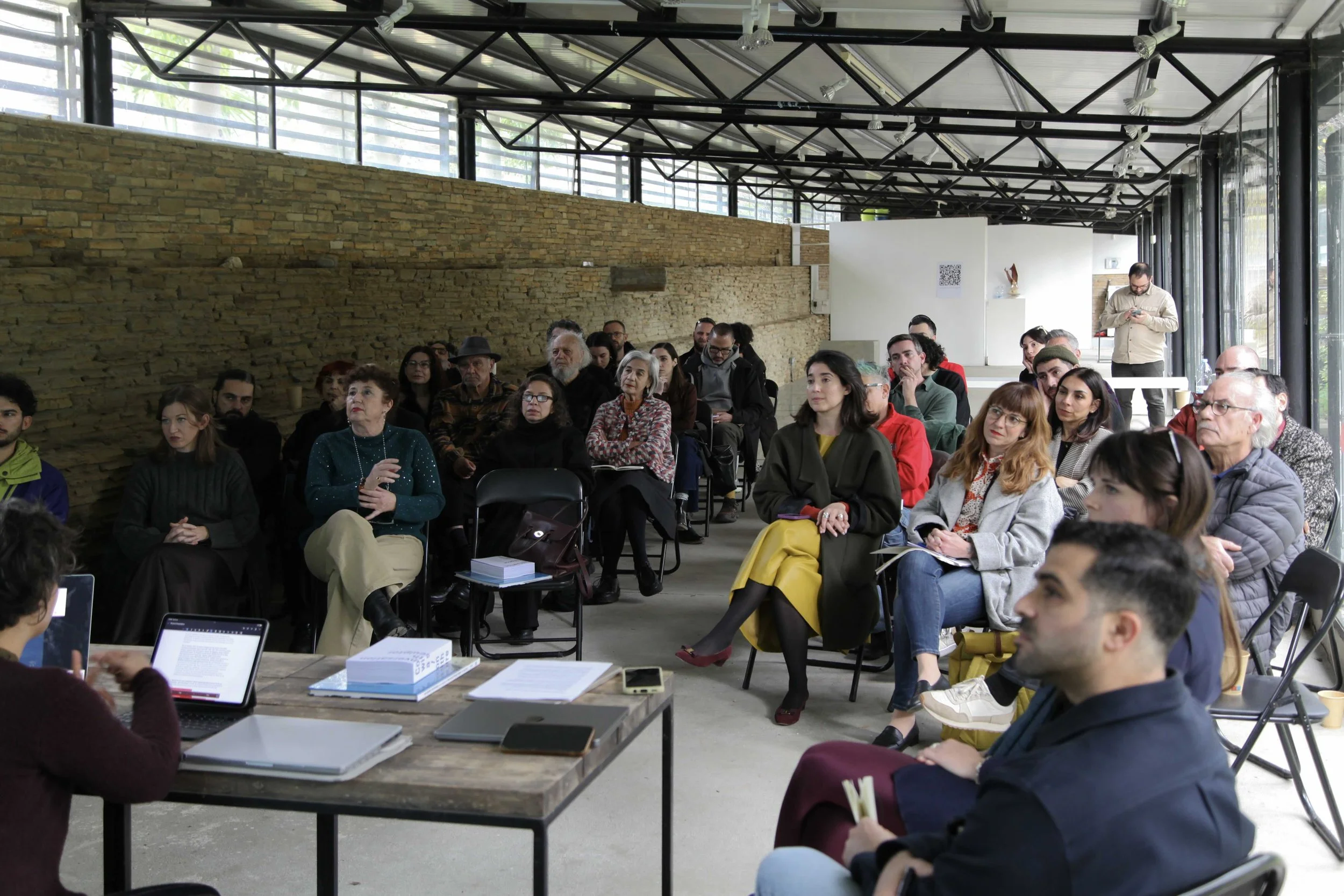
Photography: "Of Monumental" Team
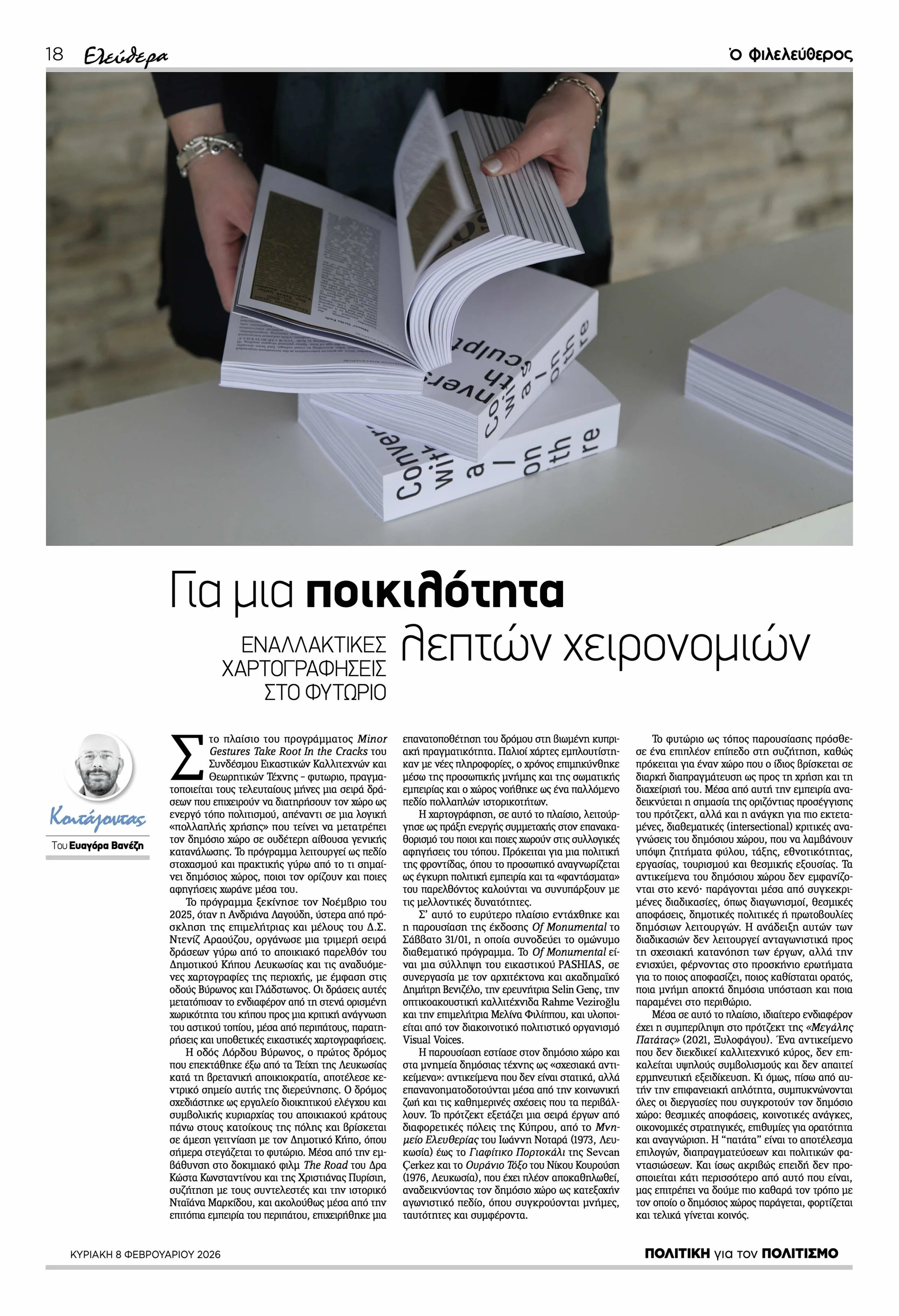
For a variety of subtle gestures - Alternative mappings at phytorio: Article by art historian Evagoras Vanezis
"Elefthera" for Phileleftheros Newspaper, 08/02/26 - Read Article (GR)
Excrepts: As part of the "Minor gestures take root in the cracks program organized by the phytorio - Visual Artists & Art Theorists Association, a series of actions have been taking place over the last few months, aiming to uphold this space as an active place of culture, in the face of the 'multi-use' logic that tends to transform the public vicinity into a neutral arena of general consumption. The program functions as a field of reflection and practice around what public space means, who defines it, and what narratives reside within it.
In this broader context, the presentation of publication "Conversation with a sculptor / Conversation with a sculpture" took place on Saturday, January 31st, accompanying the interdisciplinary program "Of Monumental". Conceived by visual artist PASHIAS, in collaboration with architect and academic Dimitris Venizelos, researcher Selin Genç, audiovisual artist Rahme Veziroğlu, and curator Melina Philippou, "Of Monumental" is implemented by the intercommunal cultural organization Visual Voices.
The presentation focused on public space and public art monuments as 'relational objects': objects that are not static, but are reinterpreted through social life and the everyday relationships that surround them.
The project examines a series of works across Cyprus, from Ioannis Notaras' "Liberty Monument" (1973, Nicosia) to Sevcan Çerkez's "Jaffa Orange" (2015, Lefke) and Nikos Kouroussis' "Rainbow " (1976, Nicosia), which has now been taken down, showcasing public space as a key site of tensions, where memories, identities, and agendas clash.
Phytorio as the presentation's host, added a further layer to the discussion, as it is a space that is itself in constant negotiation regarding its use and governance. This experience highlights the significance of the project's horizontal approach, as well as the need for more extensive, intersectional critical readings of public space that take into account issues of gender, class, ethnicity, labor, tourism, and institutional power.
Objects in public spaces do not appear out of nowhere; they are produced through specific processes, such as competitions, institutional rulings, municipal policies, or initiatives of public officials.
Bringing these processes to light does not compete with a relational understanding of the works, but rather reinforces it, raising questions about who decides, who becomes visible, which memories acquire public visibility, and which remain marginalized.
Within this context, the inclusion of the project "The Big Potato" (2021, Xylofagou) is particularly noteworthy. An object that does not claim artistic prestige, does not invoke higher symbolism, and does not require interpretive expertise. And yet, behind this superficial simplicity, all the processes that constitute public space are condensed: institutional decisions, community needs, economic strategies, desires for visibility and recognition.
"The Big Potato" is the result of choices, negotiations, and political fantasies. And perhaps precisely because it pretends to be nothing more than what it is, it allows us to see more clearly how public space is produced, charged, and ultimately shared.