

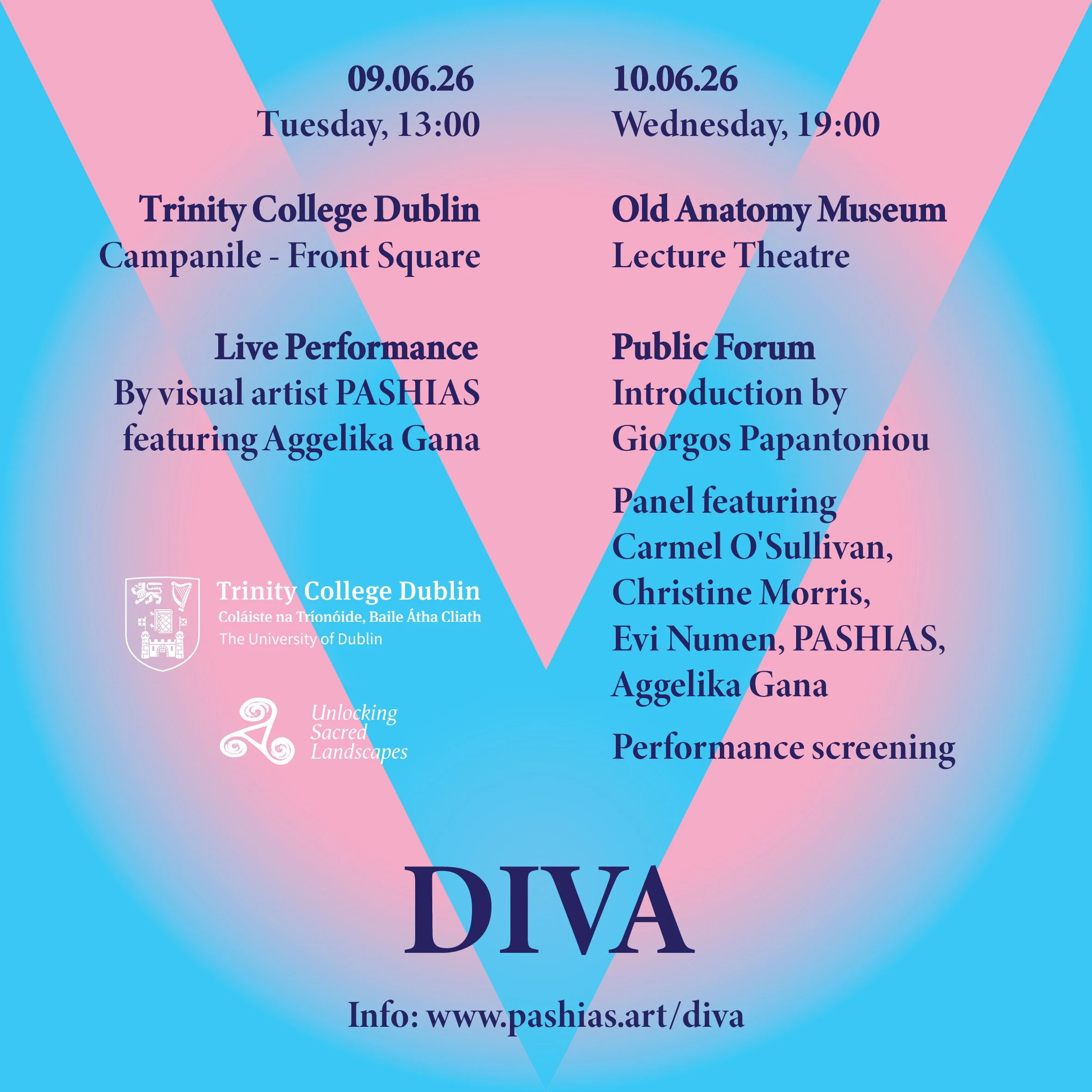
Live performance by visual artist PASHIAS featuring Aggelika Gana
Tuesday, 9th of June, 13:00
Campanile (Front Square) - Trinity College Dublin
Under the auspices of the Faculty of Arts, Humanities and Social Sciences, as part of the LGBTIQ+ Pride at Trinity College Dublin, the project “Fostering Cypriot and Greek Studies in Ireland”, and the network “Unlocking Sacred Landscapes”. In collaboration with Dr. Giorgos Papantoniou and Prof. Christine Morris, celebrating 30+ years of Cypriot Studies at Trinity College Dublin, and marking the transition of the Presidency of the European Union Council 2026 from Cyprus to Ireland.
Public forum
Wednesday, 10th of June, 19:00
Old Anatomy Lecture Theatre - Old Anatomy Museum
Program:
Introduction by Dr. Giorgos Papantoniou
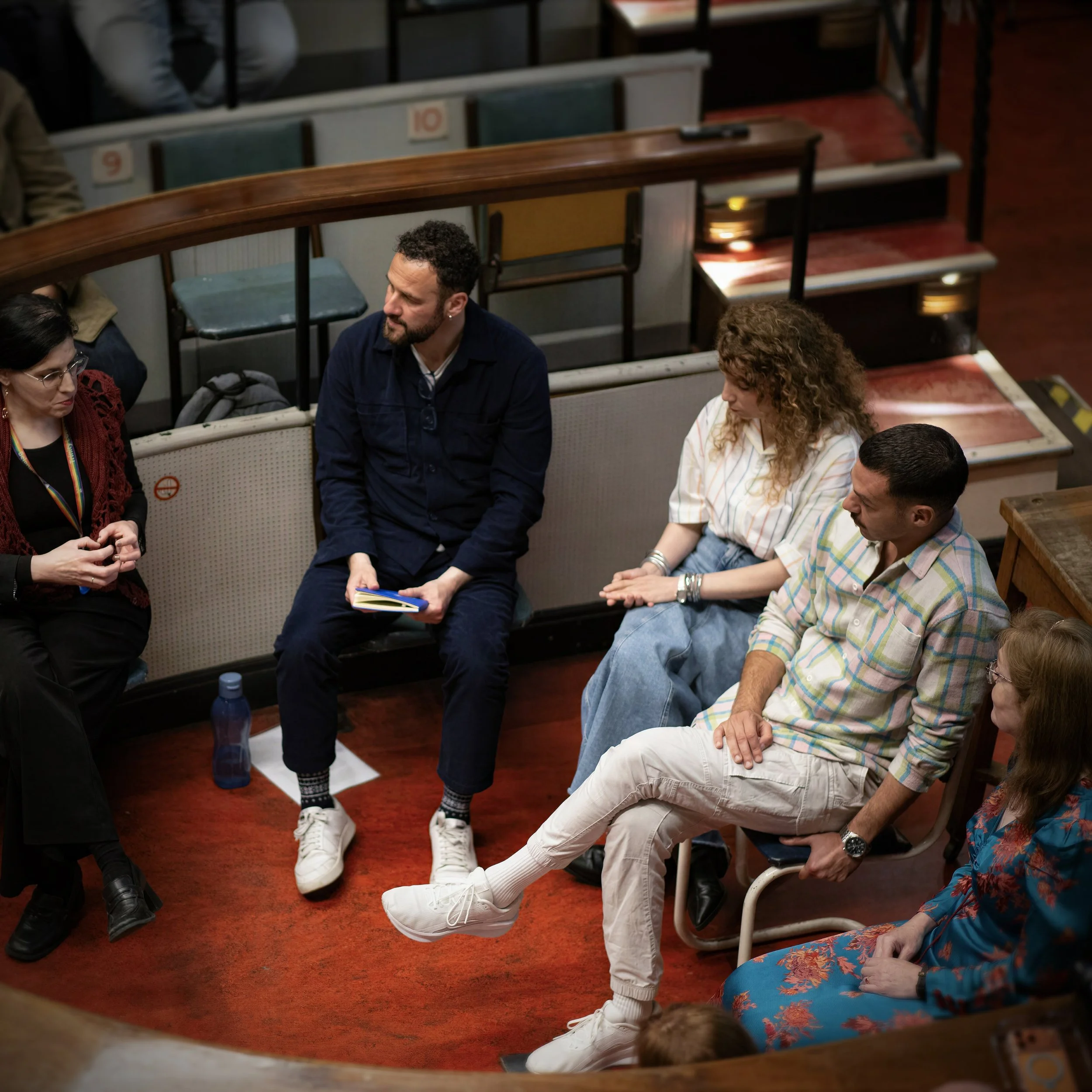
Panel featuring Prof. Carmel O'Sullivan, Prof. Christine Morris, Evi Numen, PASHIAS, Aggelika Gana
Performance screening
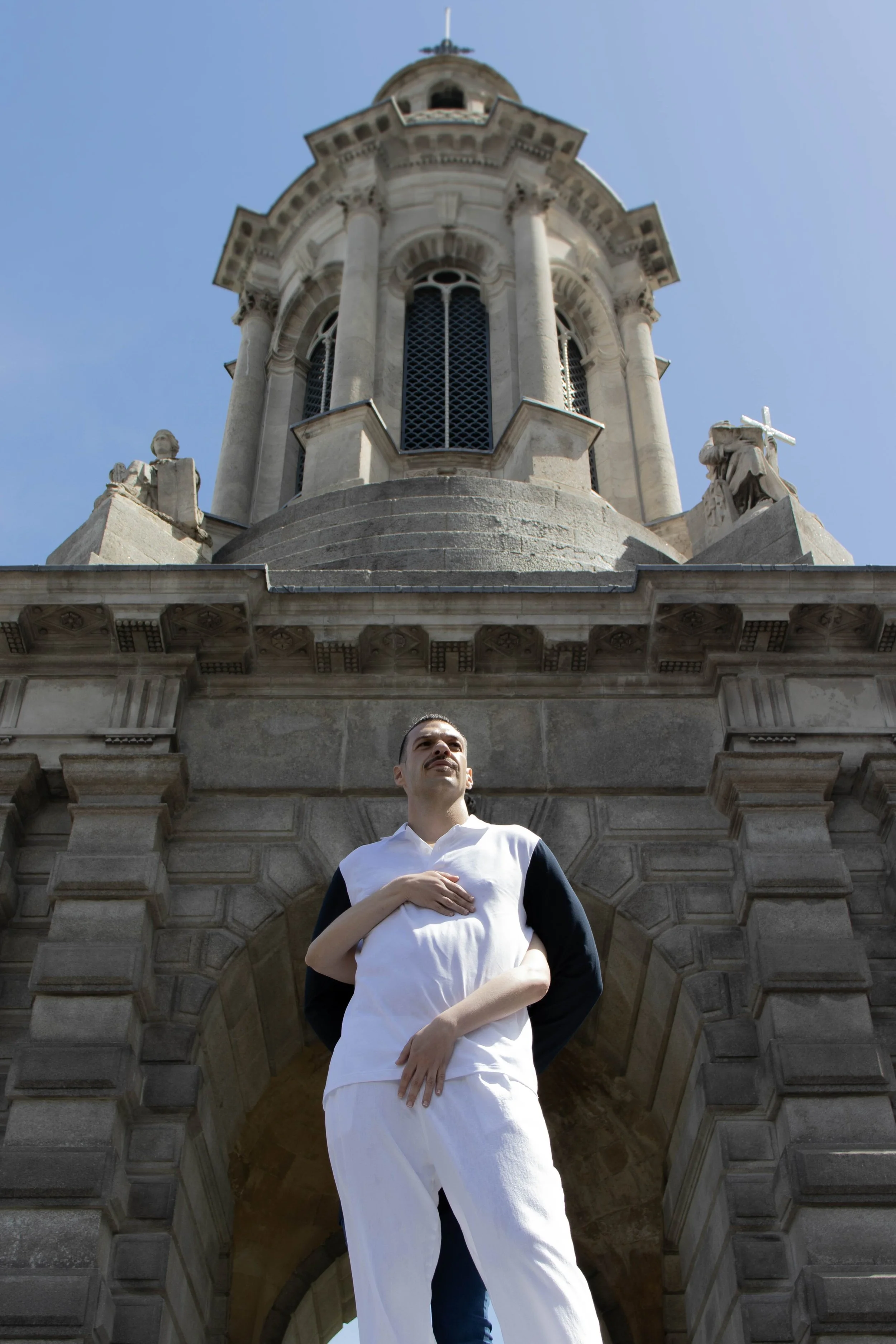
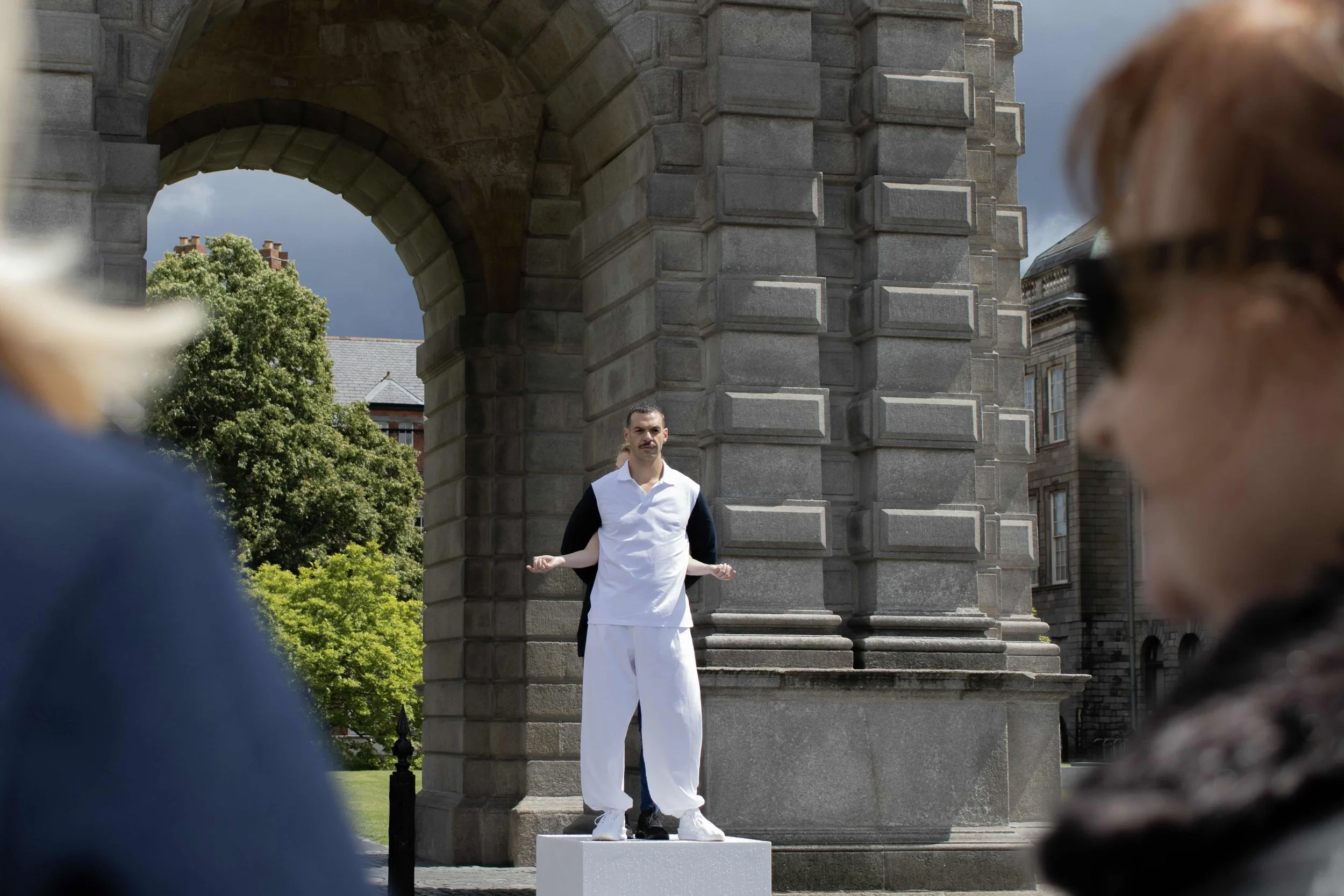
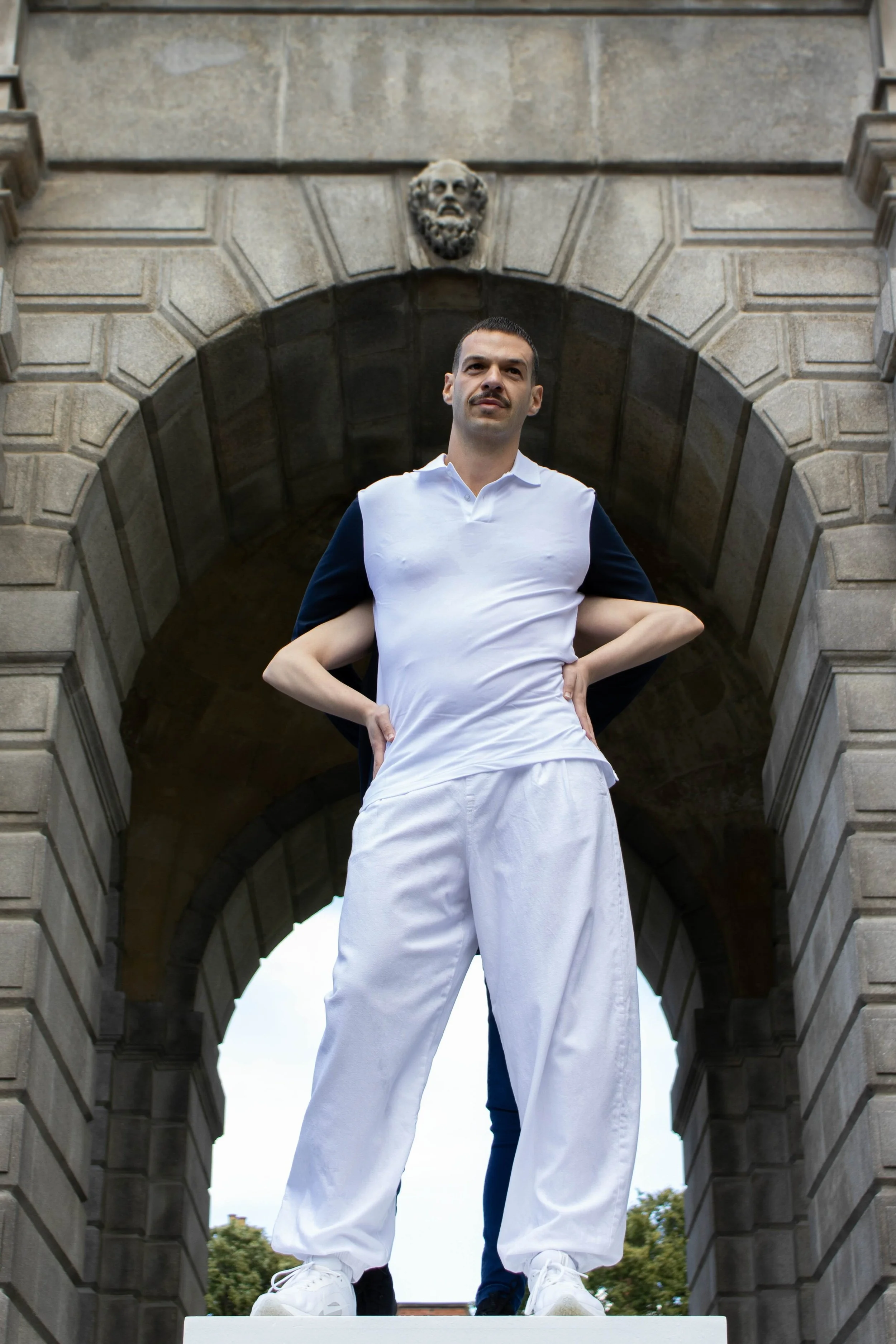
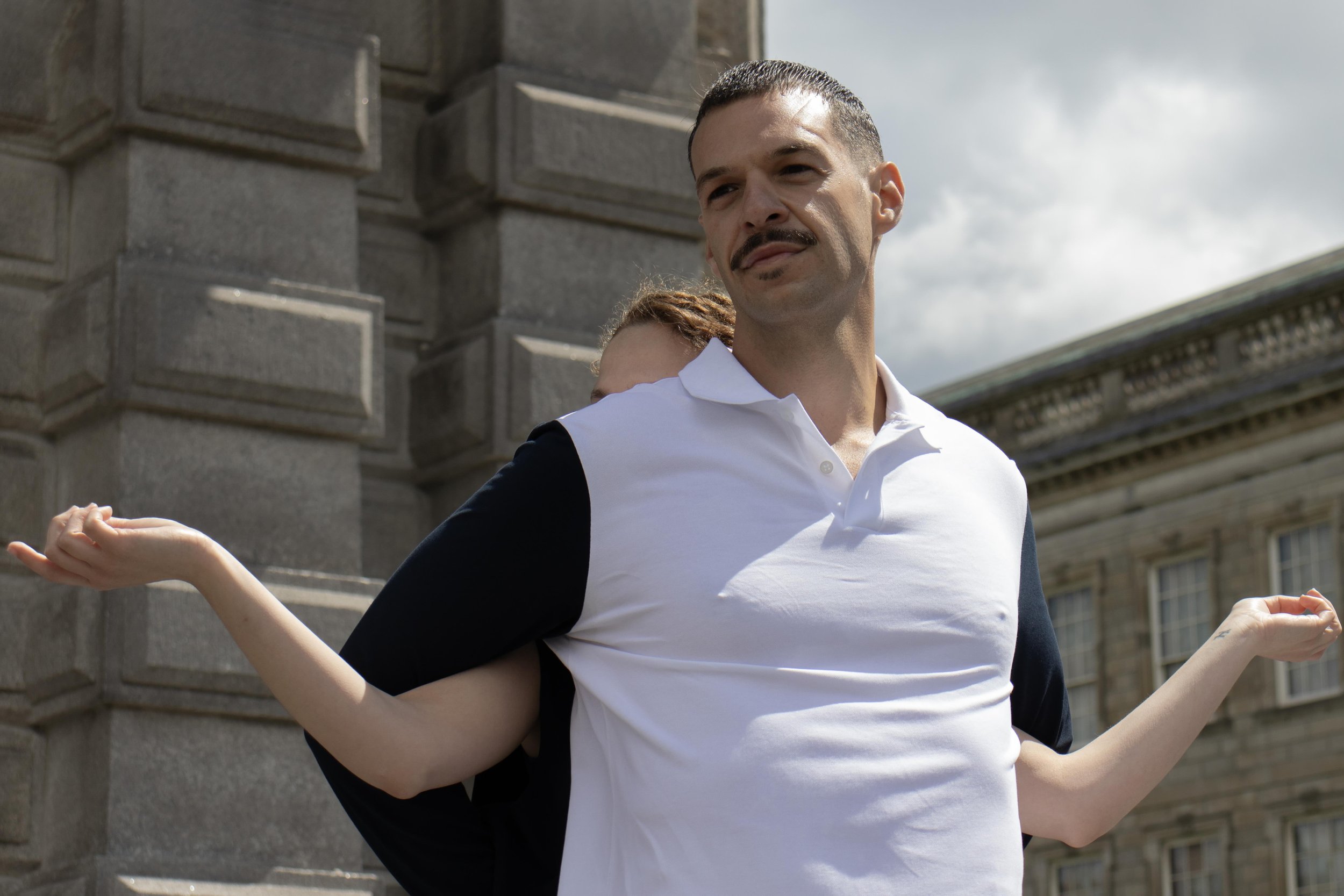
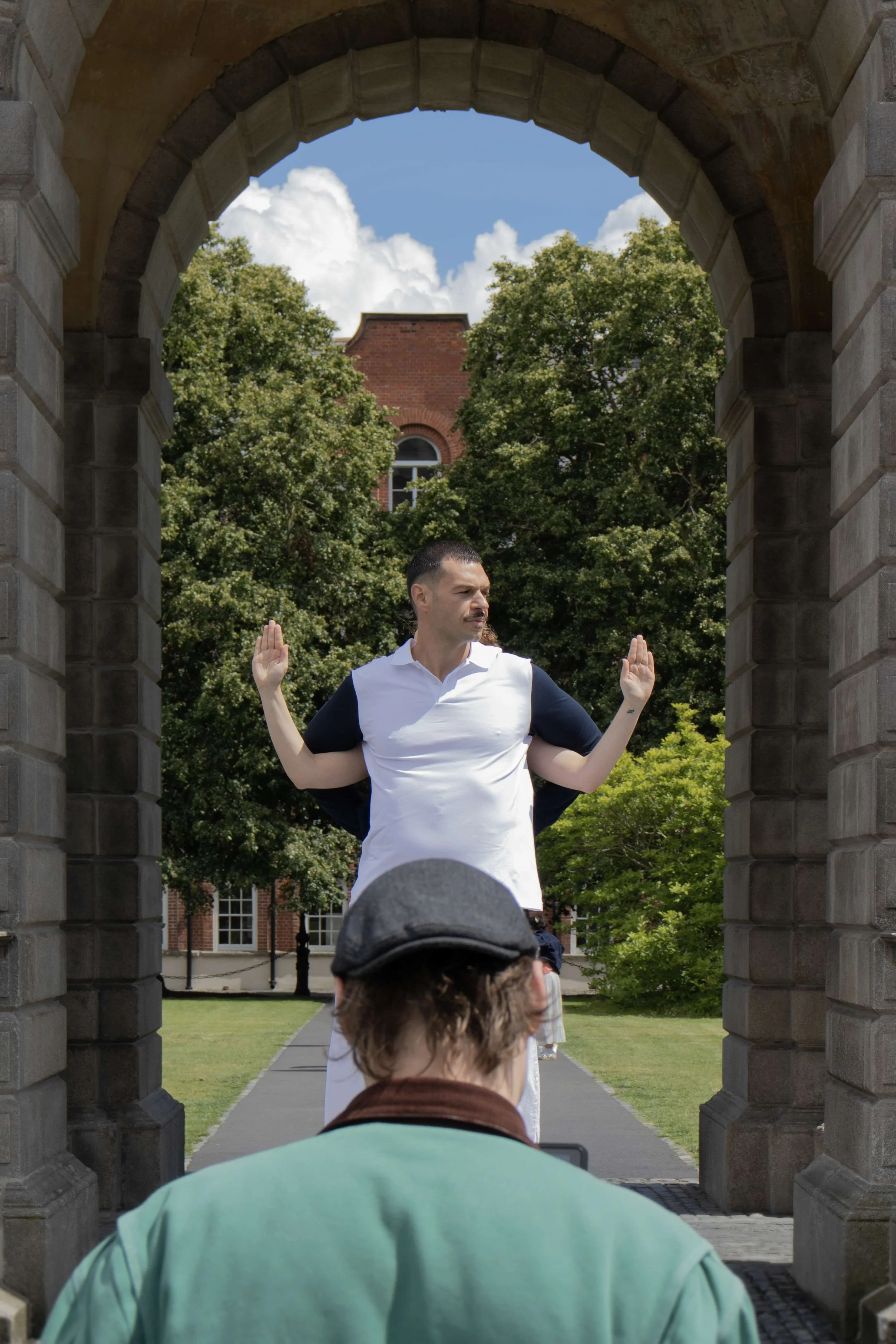
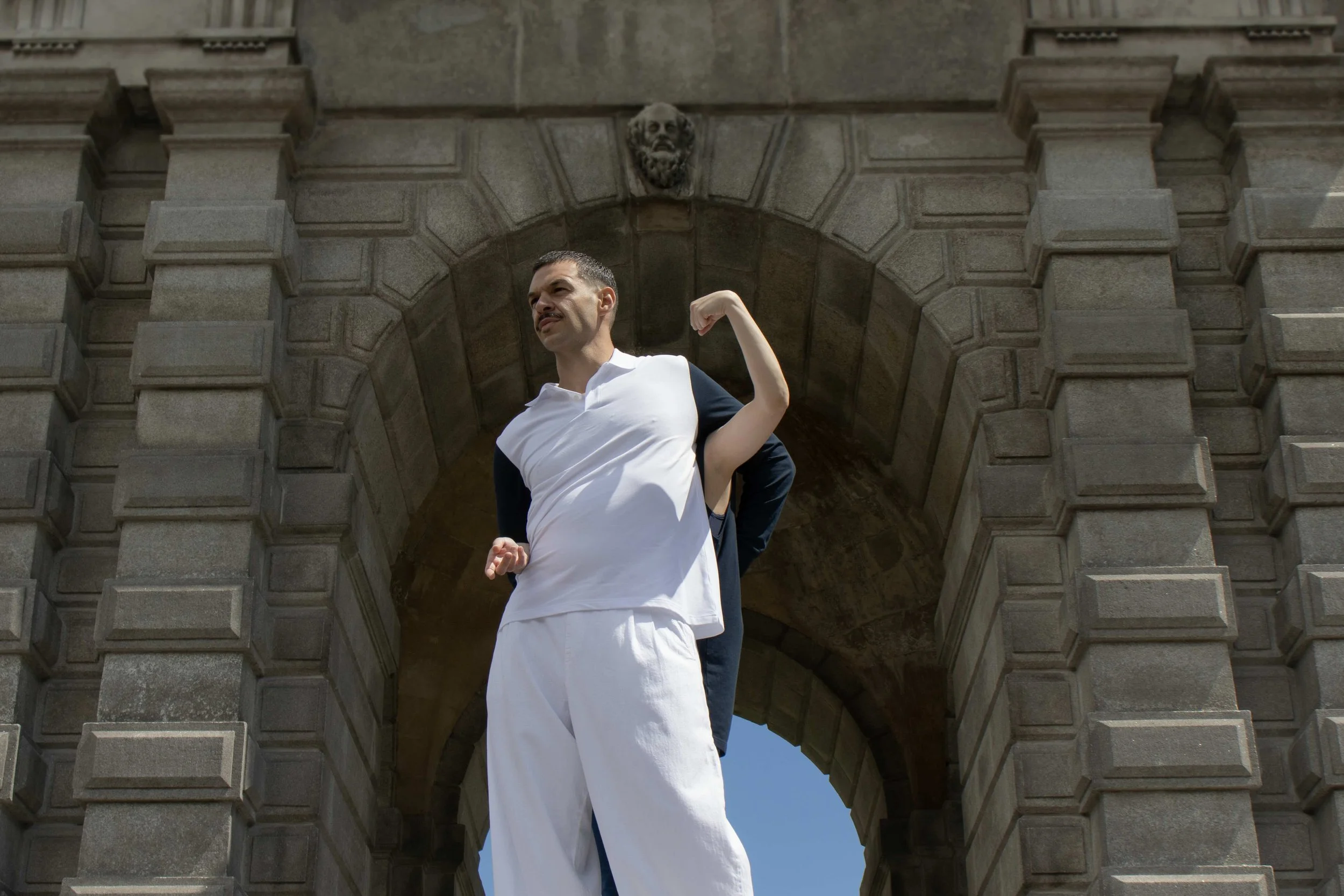
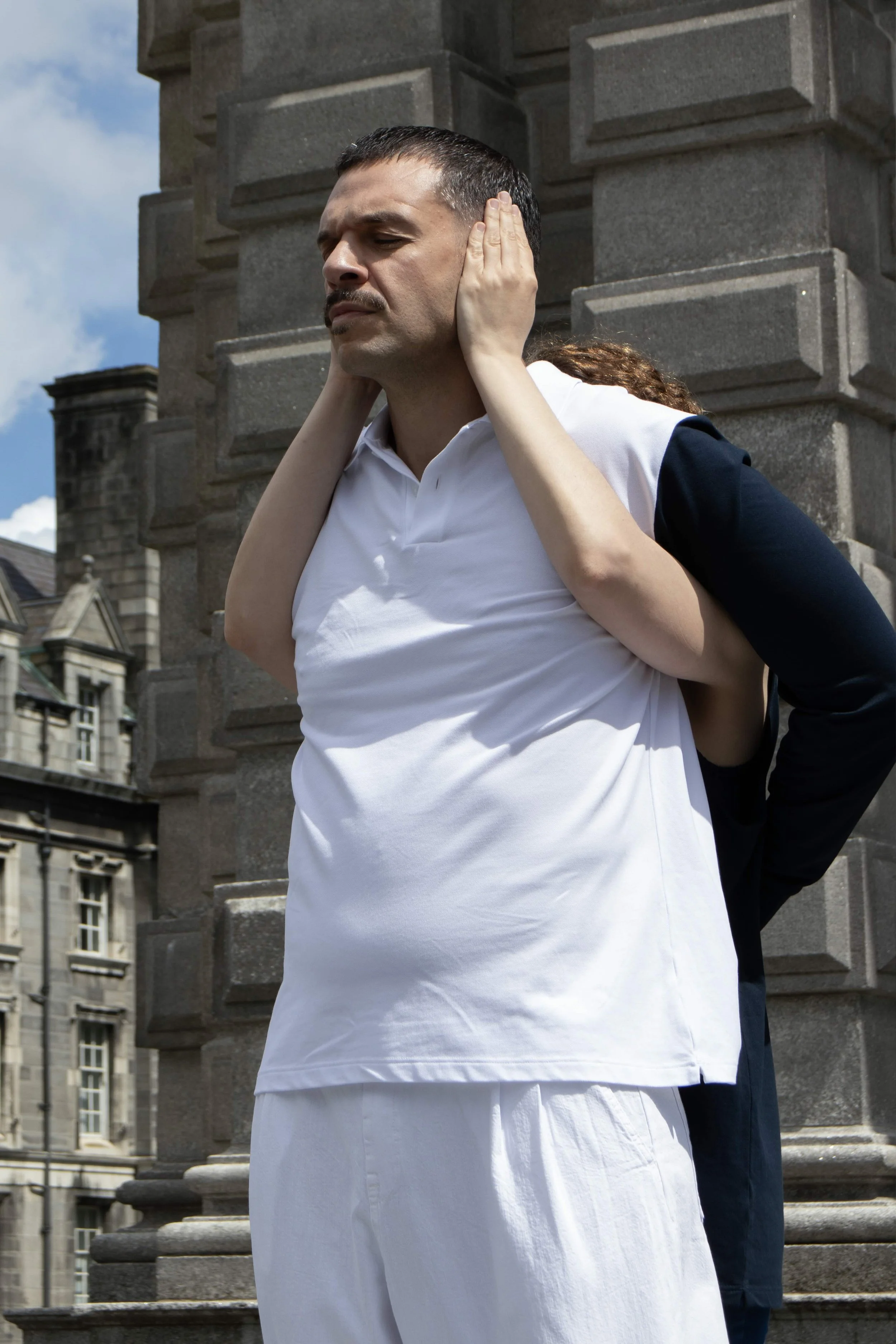
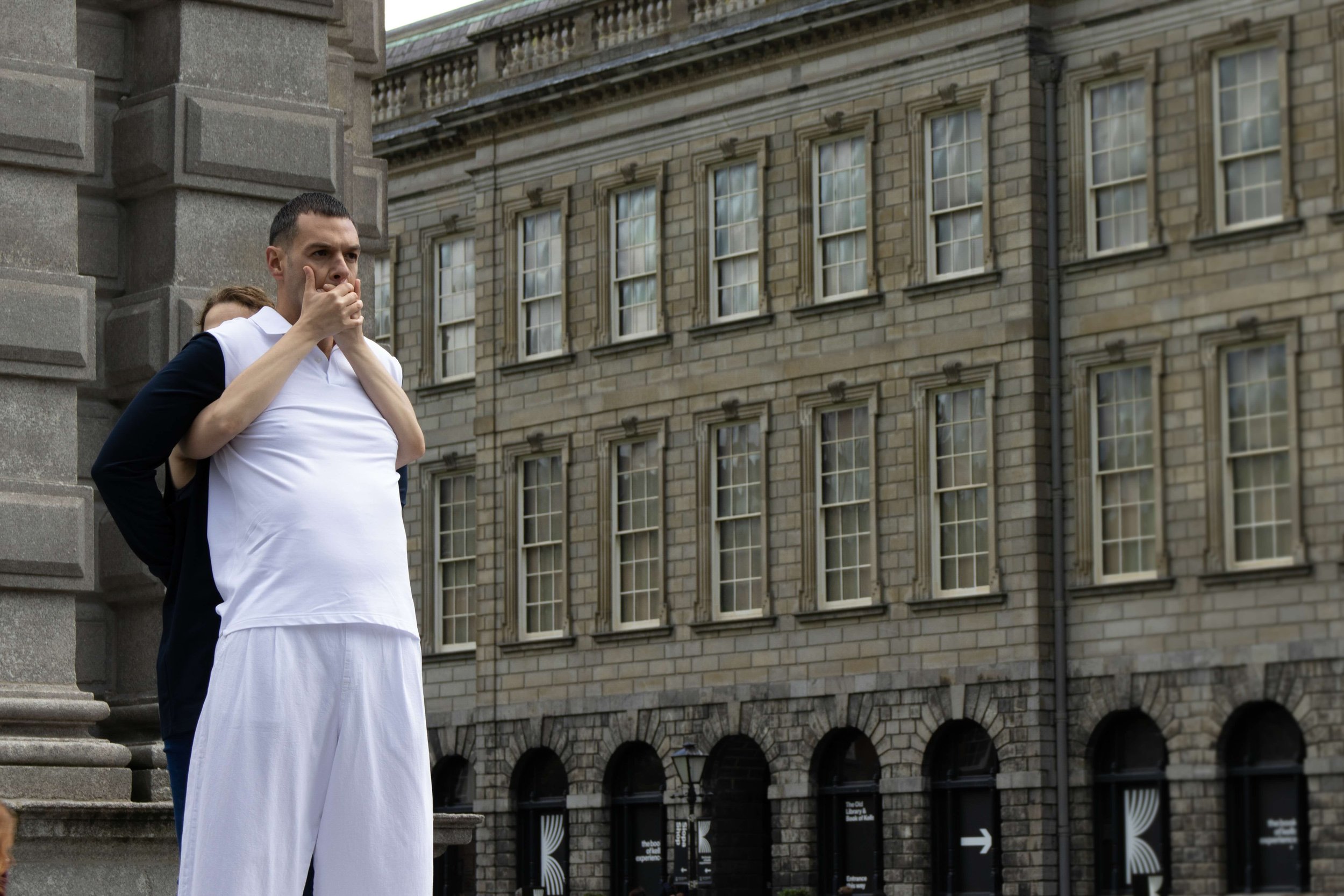
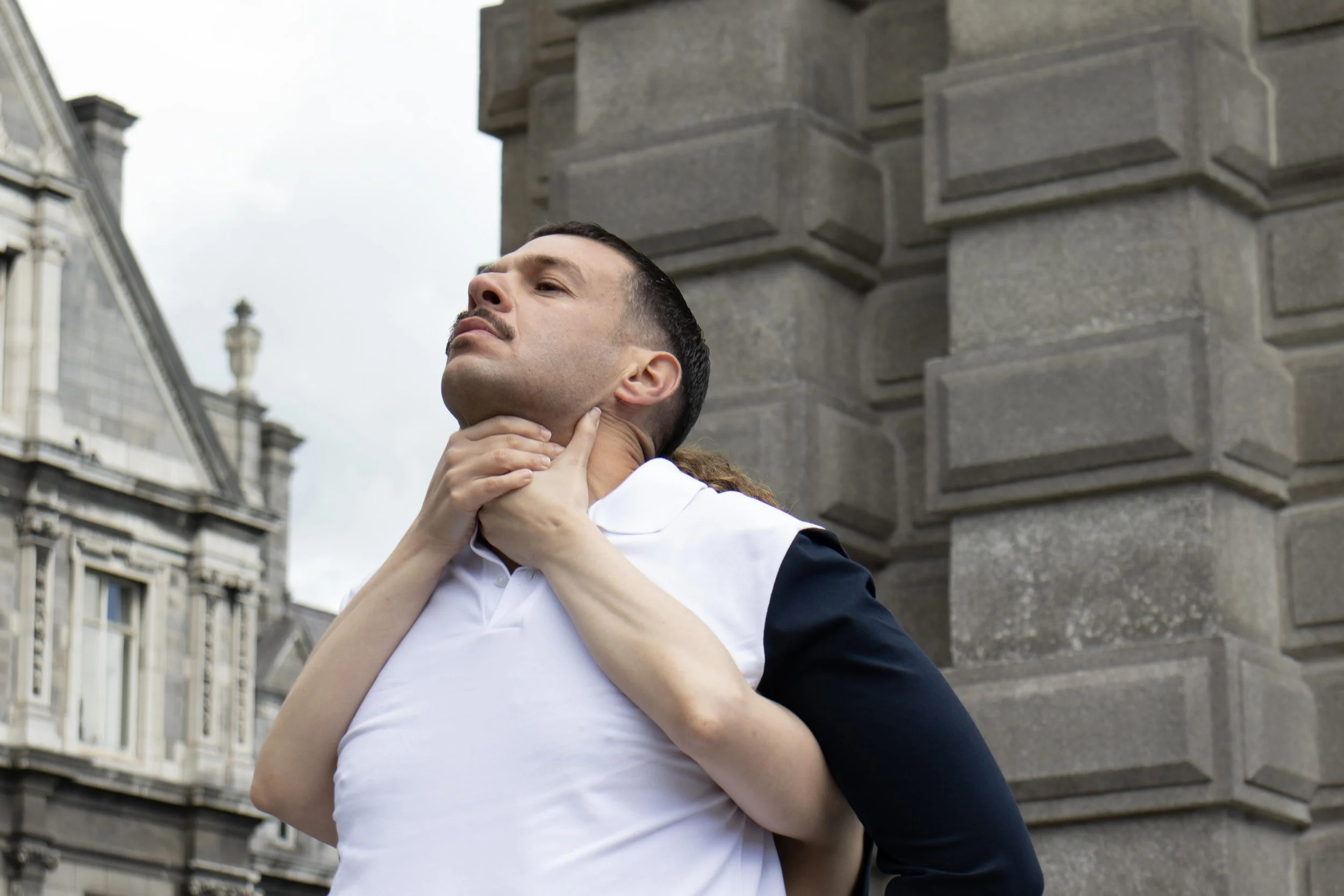
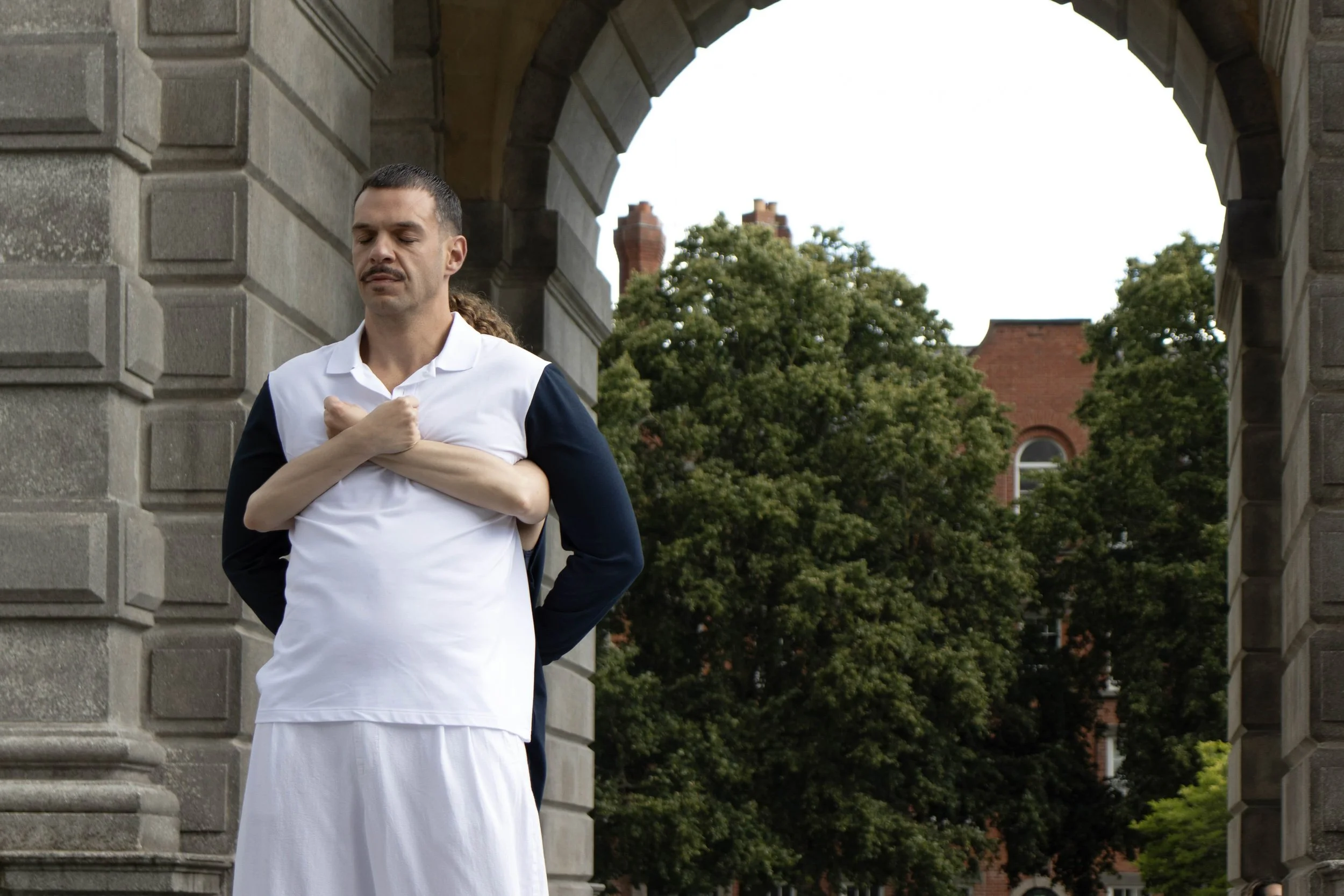
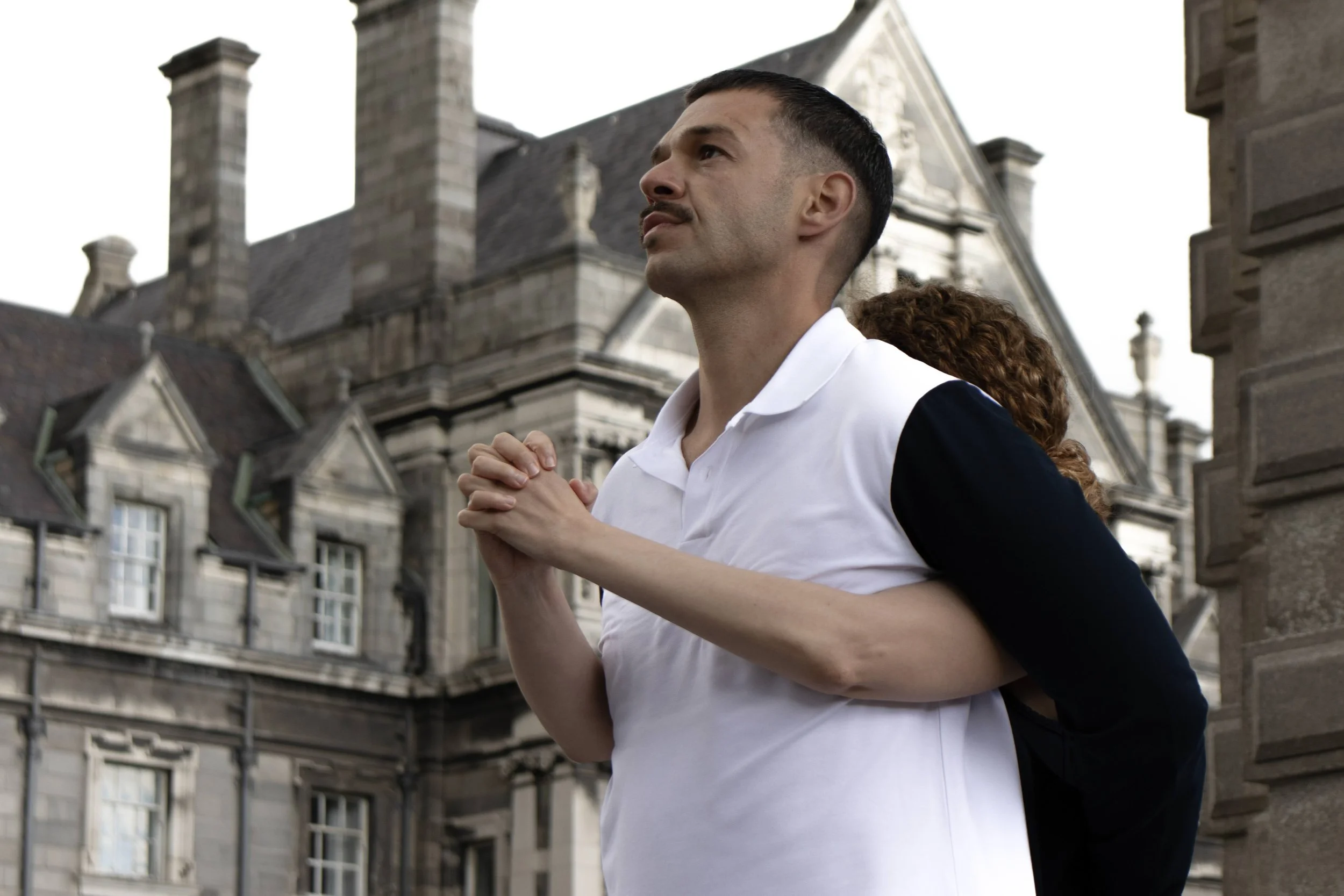
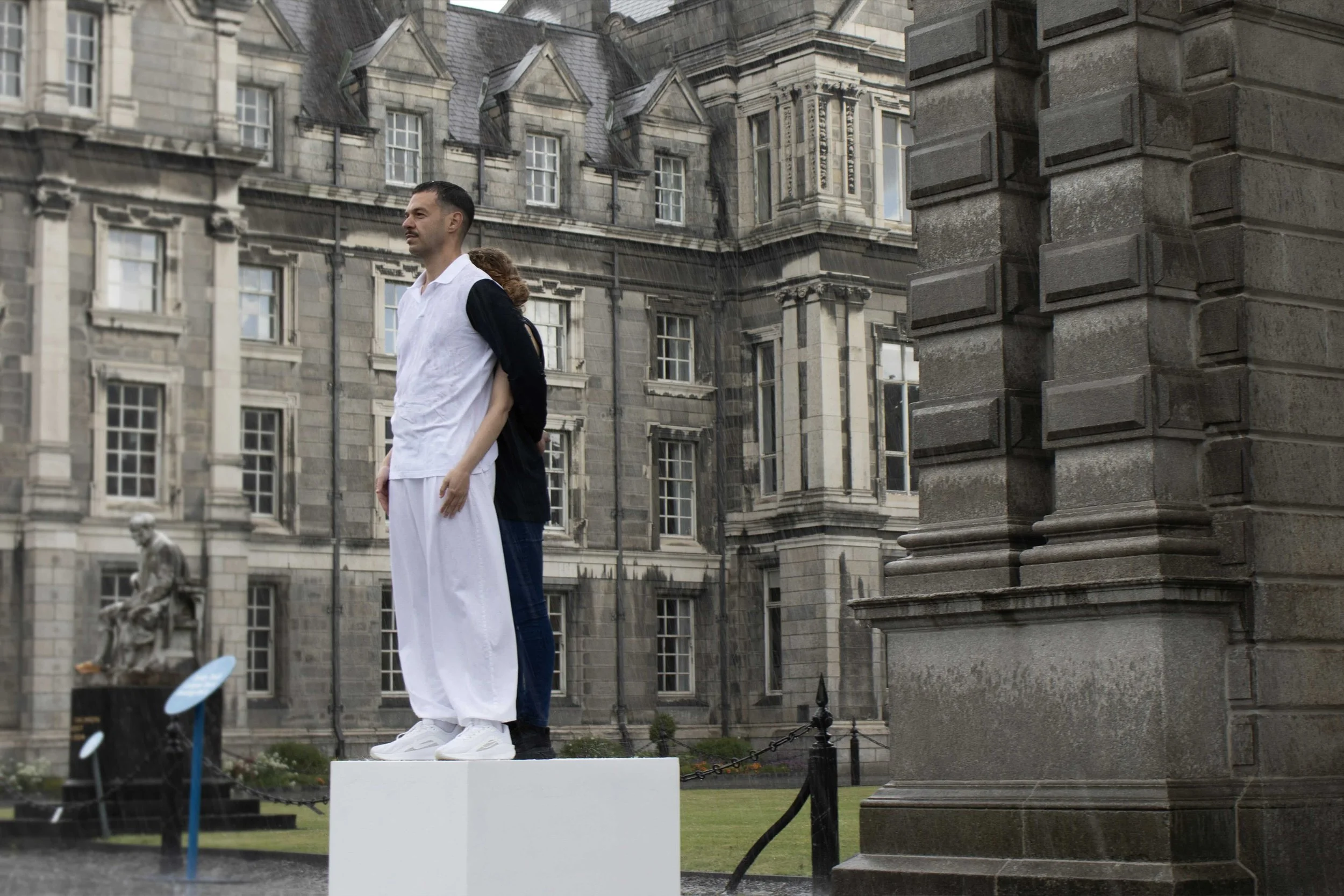
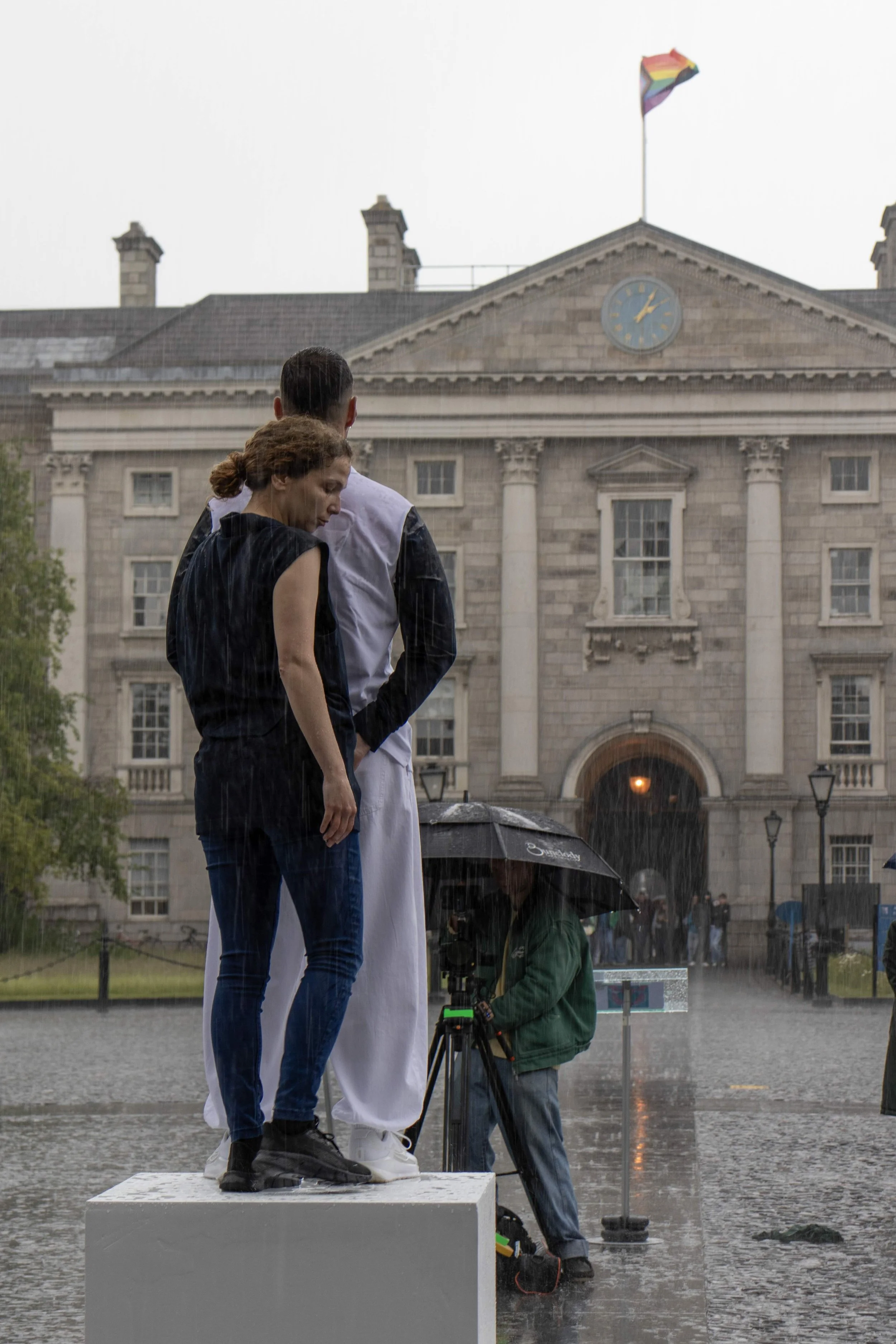
Photography: JNT Productions
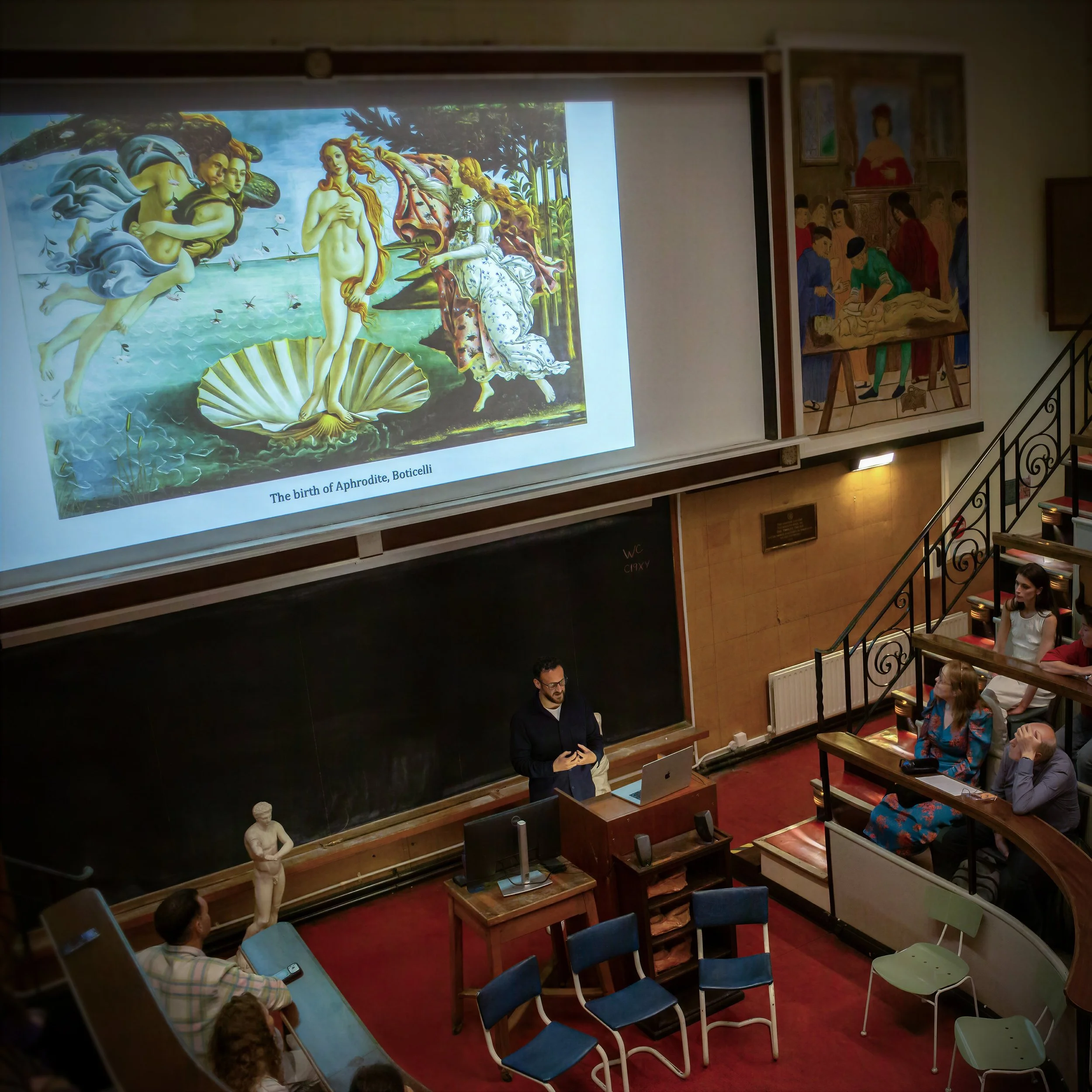
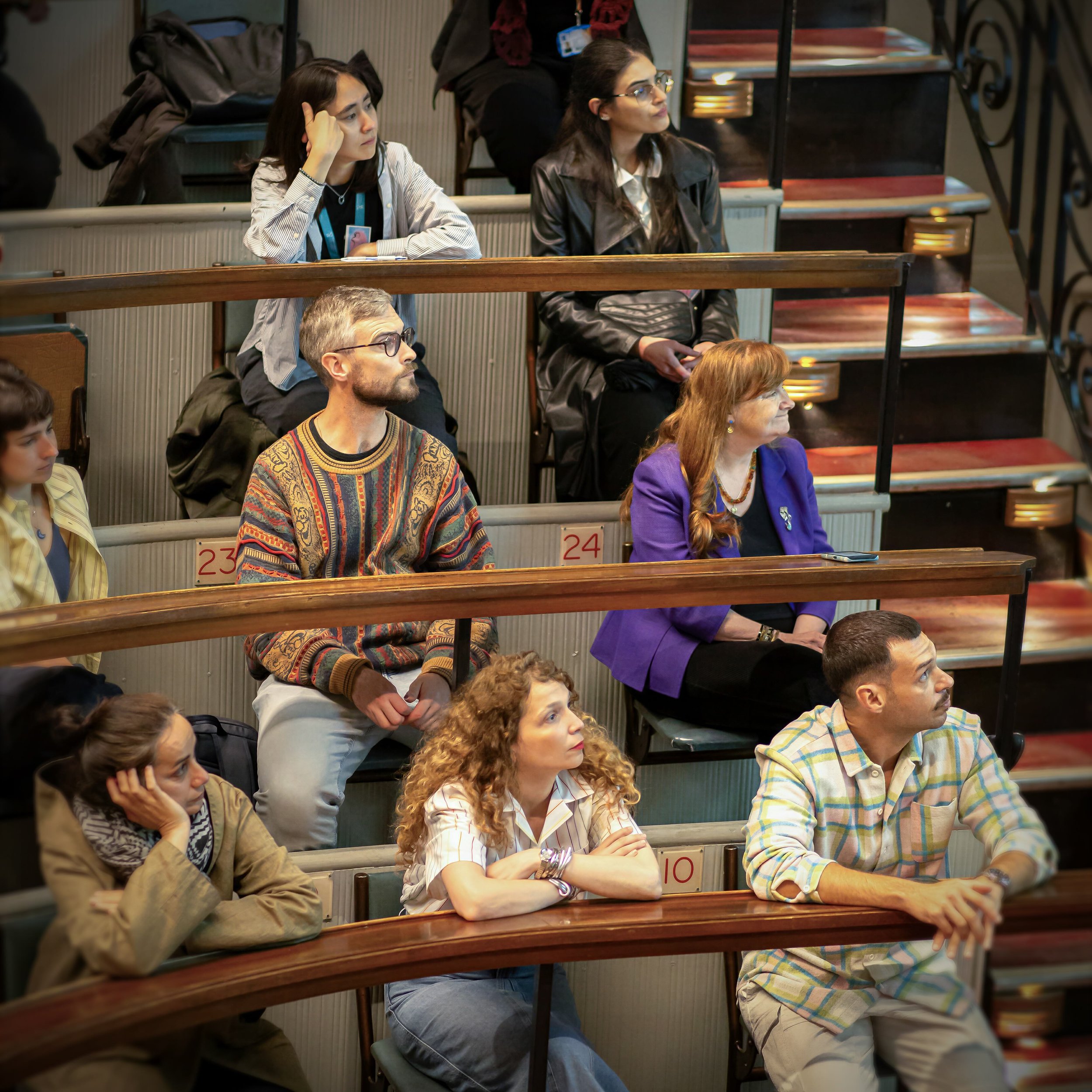
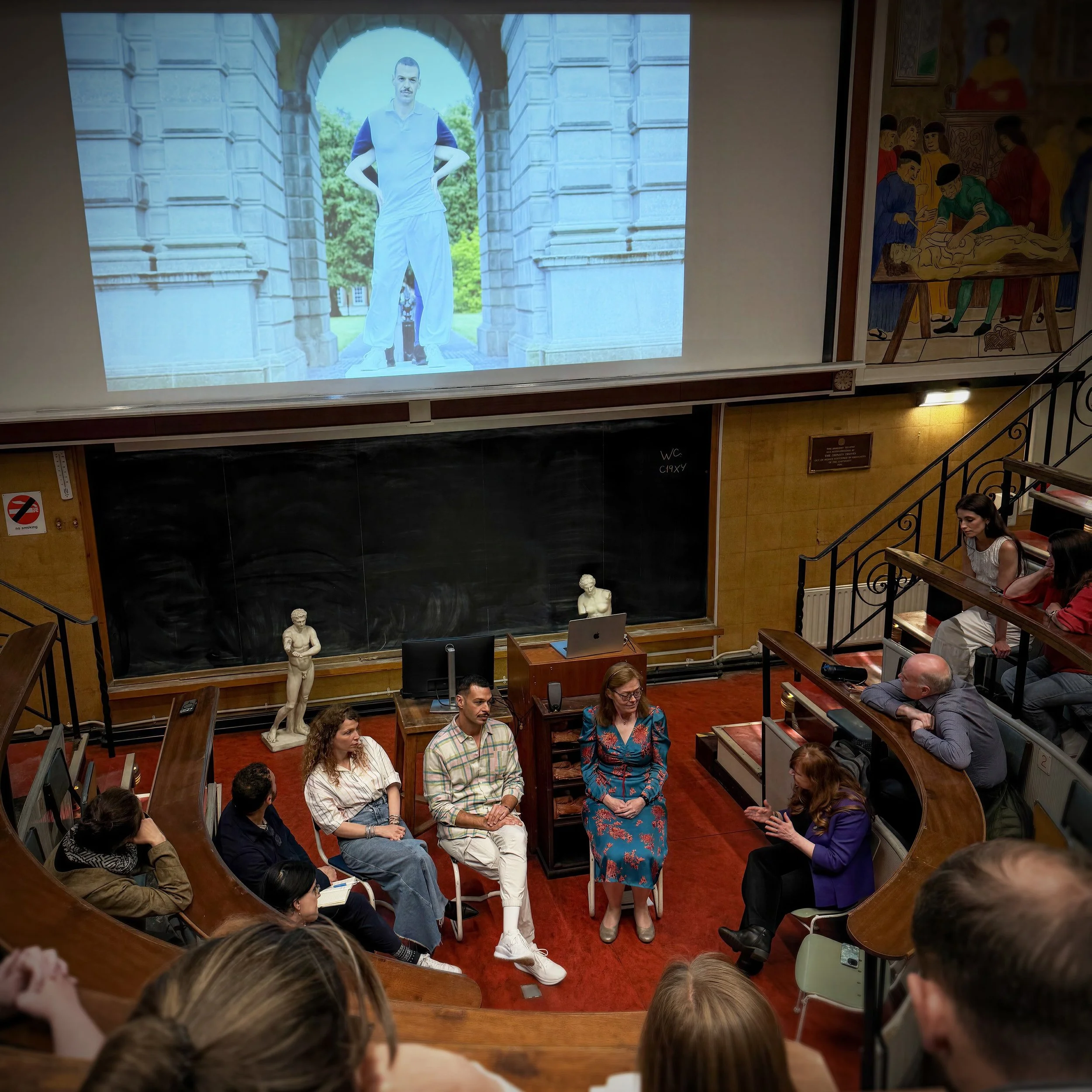
Photography: Petter Maciala
Press Release, June - 2026
The event series "DIVA" focuses on the art of performance, as framed by academic research, bringing forth the significance of Cyprus’ cultural heritage and reconnecting historical evidence with current social urgencies.
By identifying Cyprus as a sanctuary of the female divine, exemplified in the statue "Aphrodite of Soloi", the goddess can be approached as an emblem of beauty and eroticism, fertility and care, strength and resilience. Her versatile character directly reflects the multifaceted cultural identity of Cyprus, connecting it with regions in the Eastern Mediterranean, such as the Levantine Astarte or Egyptian Hathor, the Hellenistic "Aphrodite of Milos", and the Renaissance-era Venus of Botticelli. Via the Cypriot Goddess image, the island is diachronically manifested as a crossroads and a connecting bridge of cultures, as fertile ground for dialogue between countries and communities.
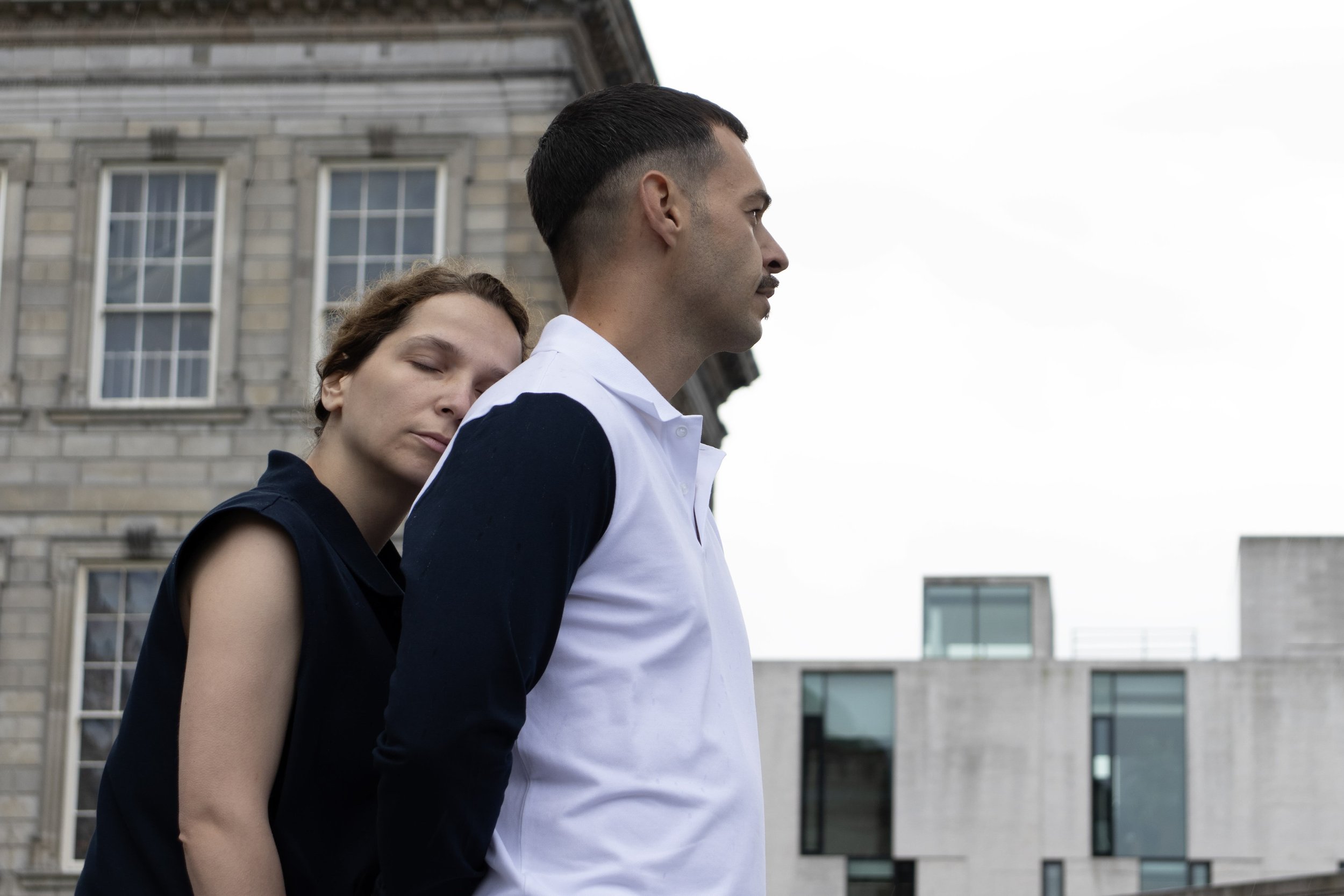
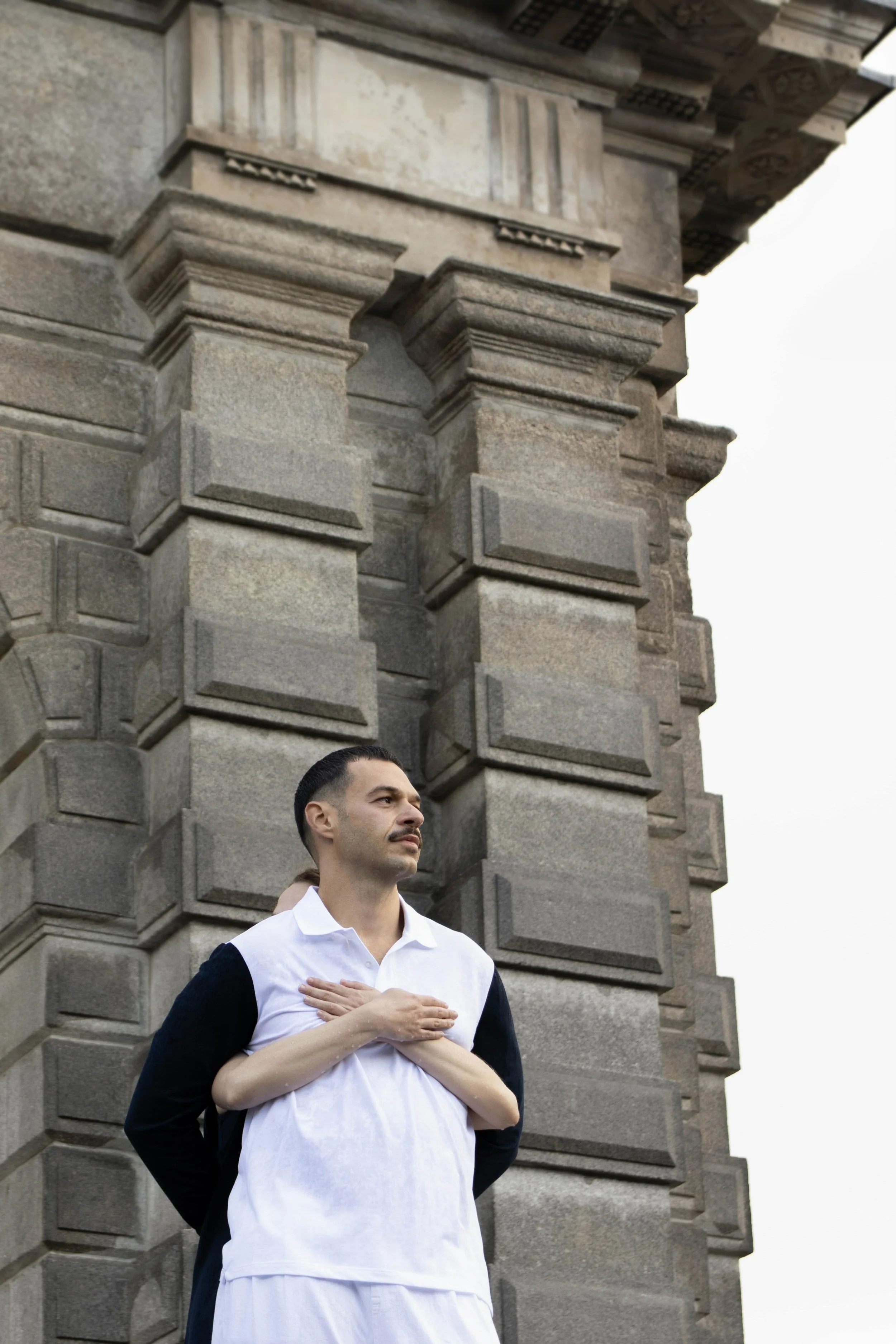
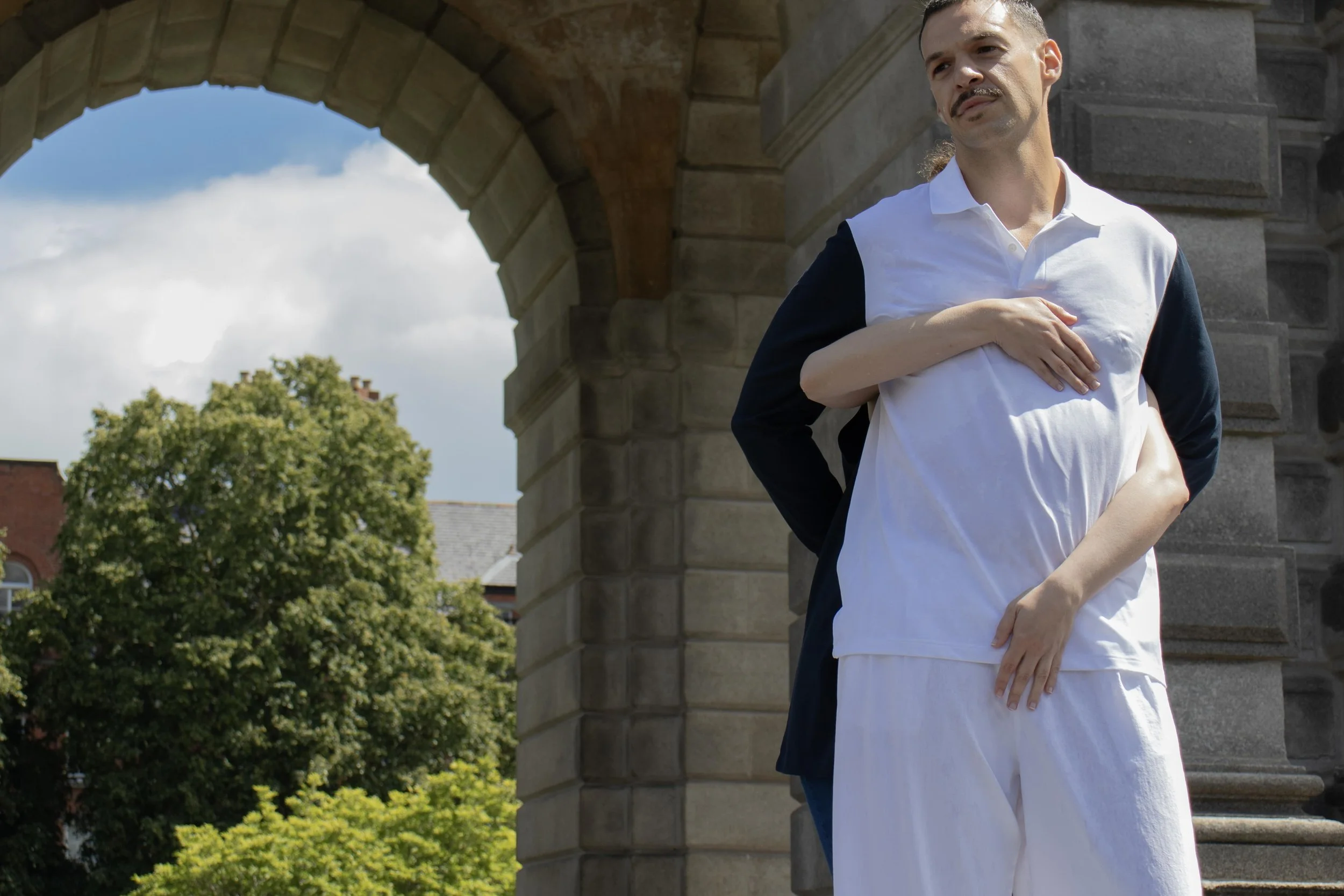
Arriving in Dublin, internationally acclaimed visual artist PASHIAS, widely known for his research exploring the relationship between human body, historical artefacts and mythological narratives, approaches the "Aphrodite of Soloi" - presented and reproduced without the bodily parts that would enable her to move, act and react - as means for understanding contemporary contingencies. Beyond the societal persistence of assigning binary characteristics to each gender, the artist’s body and the body of Aggelika Gana are publicly exhibited together on a raised pedestal. Framed by the arch of Trinity College’s bell tower - one of Dublin’s most iconic landmarks - the performance signifies again an in-between threshold of crossings.
In a child-like game, through their stillness and interaction, the figures complete, reshape and contrast with the paradigm of Aphrodite, and with their own social positioning. An evolving live sculpture projects a set of corporeal images that challenge notions of gender, status and socially-bound relationships. By blurring the divisions between creator and artefact, author and narrative, "DIVA" signals the significance of coexistence and unity - from the island of Cyprus to the island of Ireland at the two edges of Europe, and from Ireland to the world.
About PASHIAS and his performance methodology "Body + Exhibit": Since 2014, visual artist PASHIAS has been developing a methodology that utilizes artistic research and focuses on the art of performance, to reveal the potential of museological spaces as catalysts for dialogue, empathy and social transformation. Centred on the human body, the artist draws on material culture, mythology and lived experiences, to trace the wealth of anthropocentric images, actions and devices embedded in our histories. Initiating collaborations with archaeologists, academics and cultural practitioners, PASHIAS unfolds the interpretive dimensions of relevance held by exhibits and artefacts, engaging audiences with alternative modes of viewership. His research results into live performances, exhibitions and installations, whilst designing lectures, talks and workshops that employ the methodology’s findings as educational tools for public engagement. "Body + Exhibit" includes his collaborations with the Musée des Augustins (2014), the Acropolis Museum (2015), the Benaki Museum (2016), the Bank of Cyprus Cultural Foundation (2017), the Phoivos Stavrides Foundation - Larnaca Archives (2021), the Fitzwilliam Museum (2024), and the British Museum (2026).
About Dr. Giorgos Papantoniou, Prof. Christine Morris and the research network "Unlocking Sacred Landscapes": Giorgos Papantoniou is Assistant Professor in Ancient Visual and Material Culture, and Christine Morris is the Andrew A. David Professor in Greek Archaeology and History. Based in the Department of Classics of Trinity College Dublin, both share research interests in ancient Cyprus, the archaeology of religion, and various approaches to embodiment and gender in antiquity, collaborating for events and publications on the receptions, re-imaginings and commodifications of Cypriot Aphrodite, such as the project "Collecting Aphrodite's Sisters" (2022-). Founded in 2014 and coordinated by Giorgos Papantoniou, "Unlocking Sacred Landscapes" is an interdisciplinary research network focused on the diachronic study of the temporality, spatiality and materiality of Mediterranean sacred landscapes, cultural heritage and the archaeology of wellbeing. Its activities are based on an Agreement of Collaboration between the University of Cyprus, Trinity College Dublin and the Institute for Mediterranean Studies (2014-21), funded by the Irish Research Council (2014-15), the German Research Foundation (2015-18), the European Regional Development Fund and the Republic of Cyprus through the Research and Innovation Foundation (2018-21).
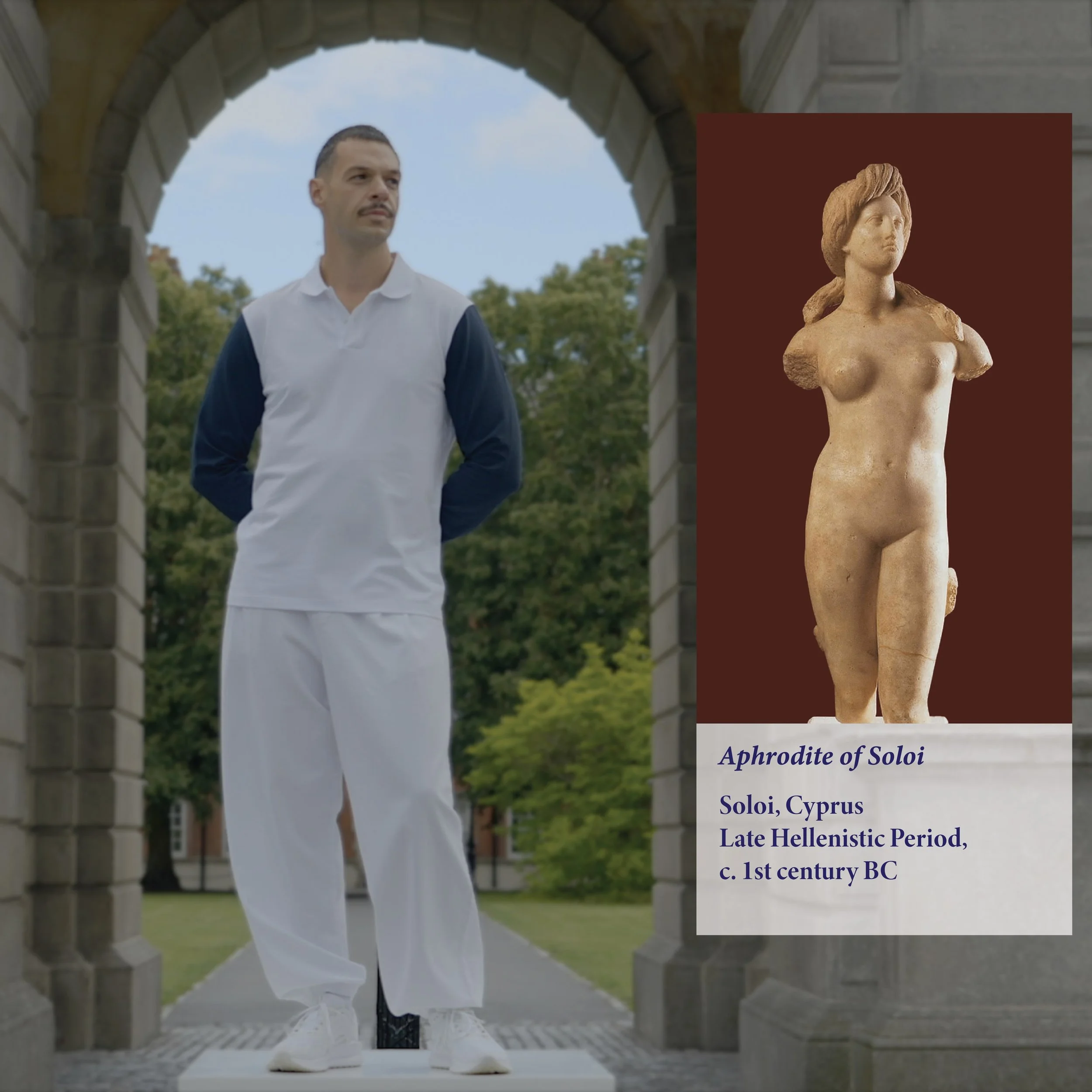
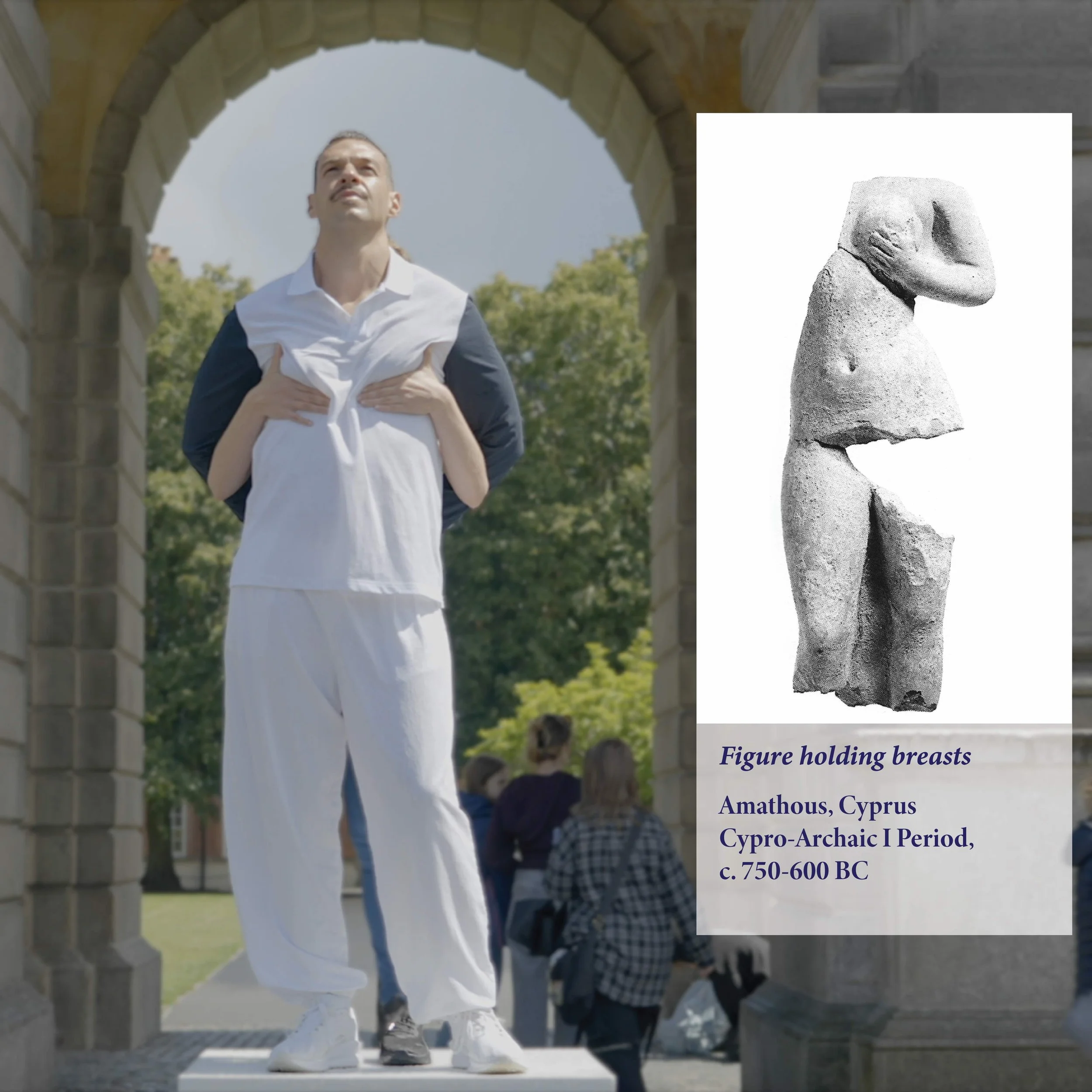
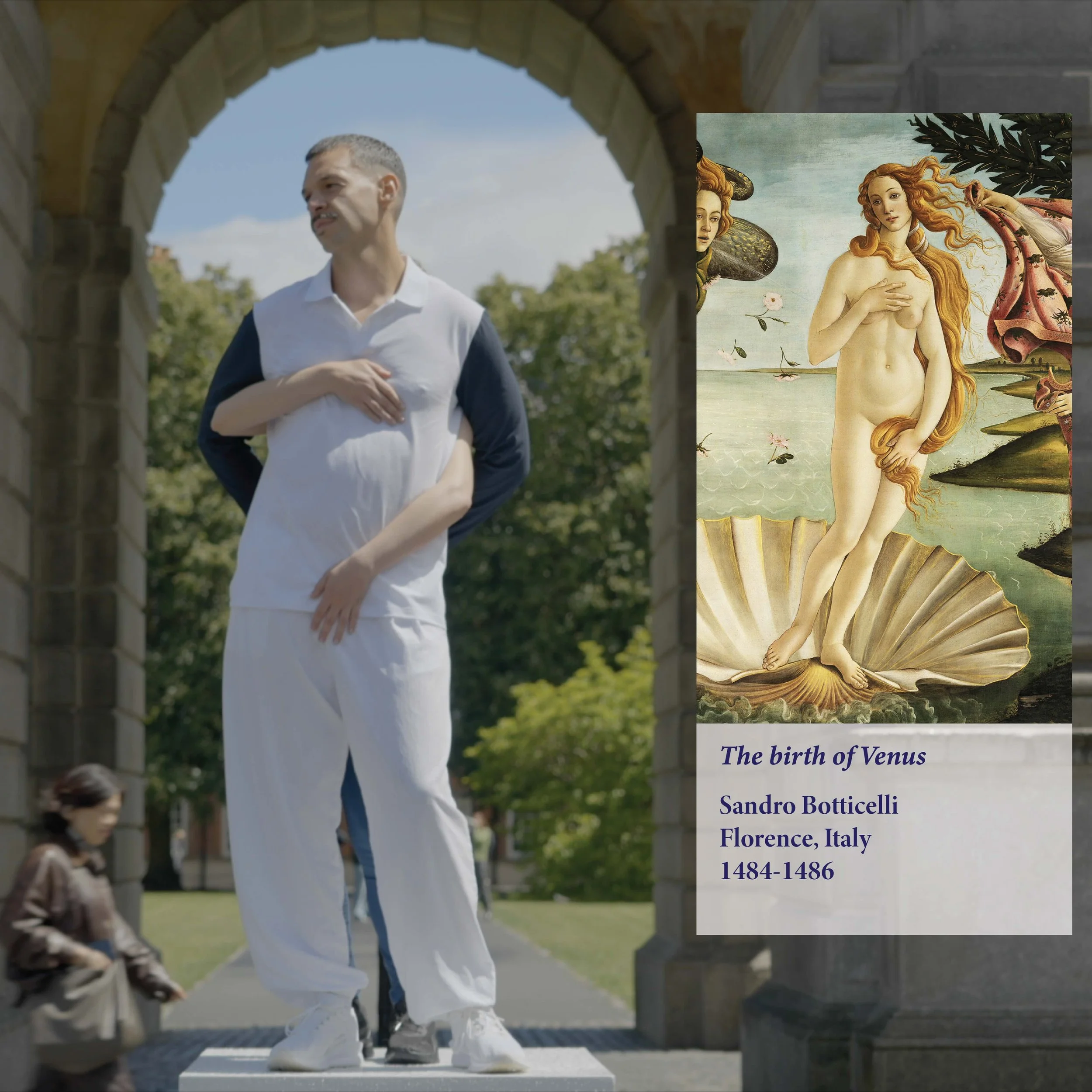
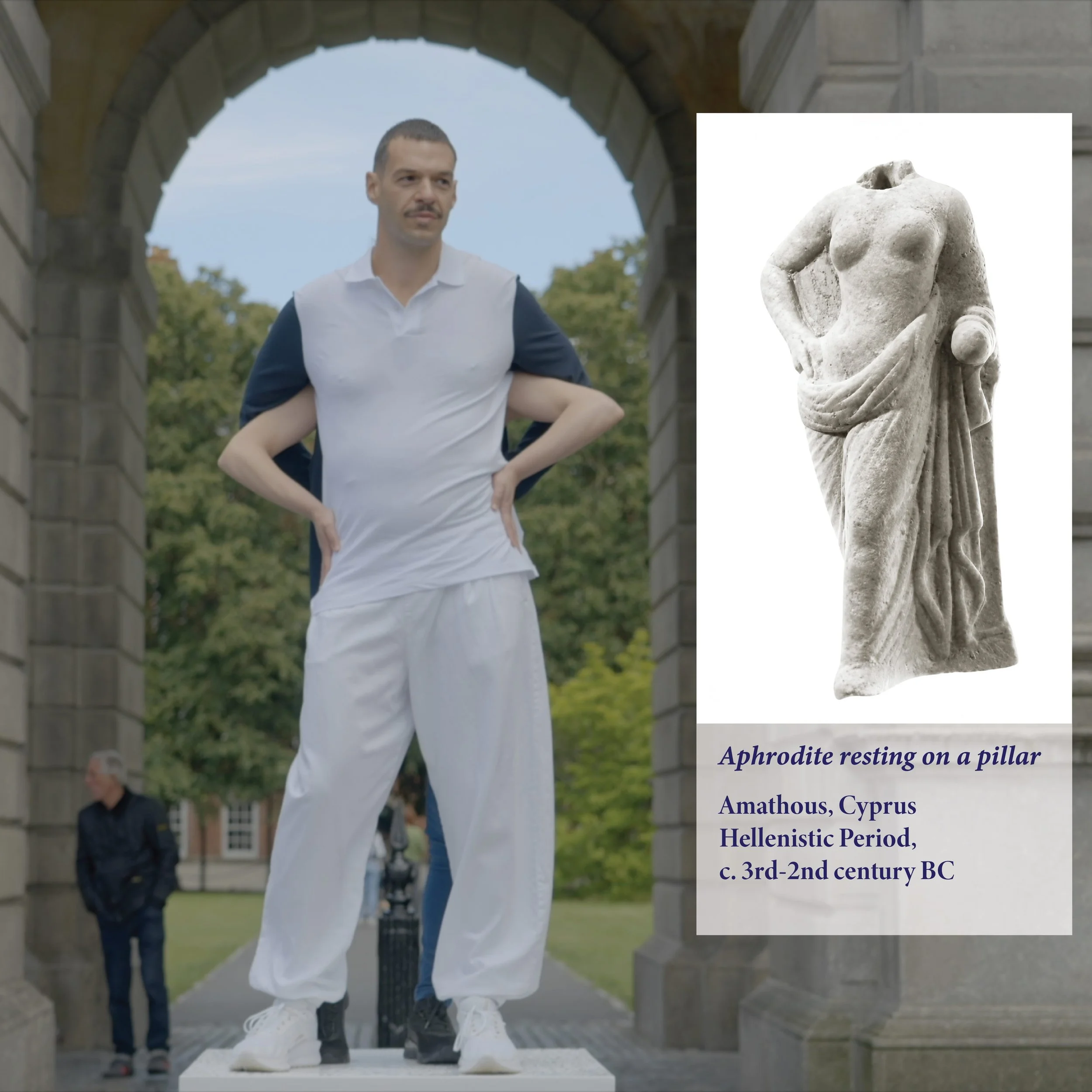
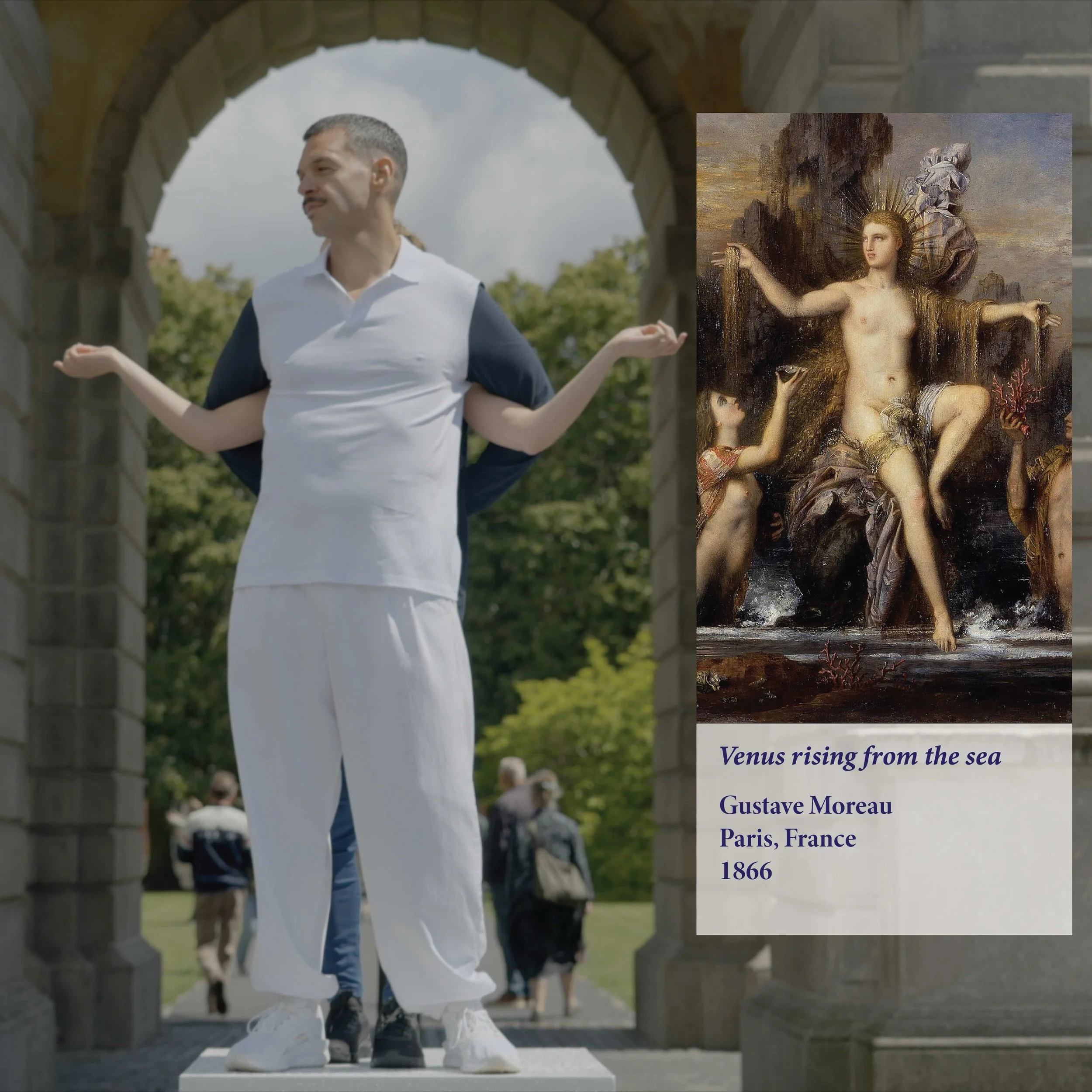
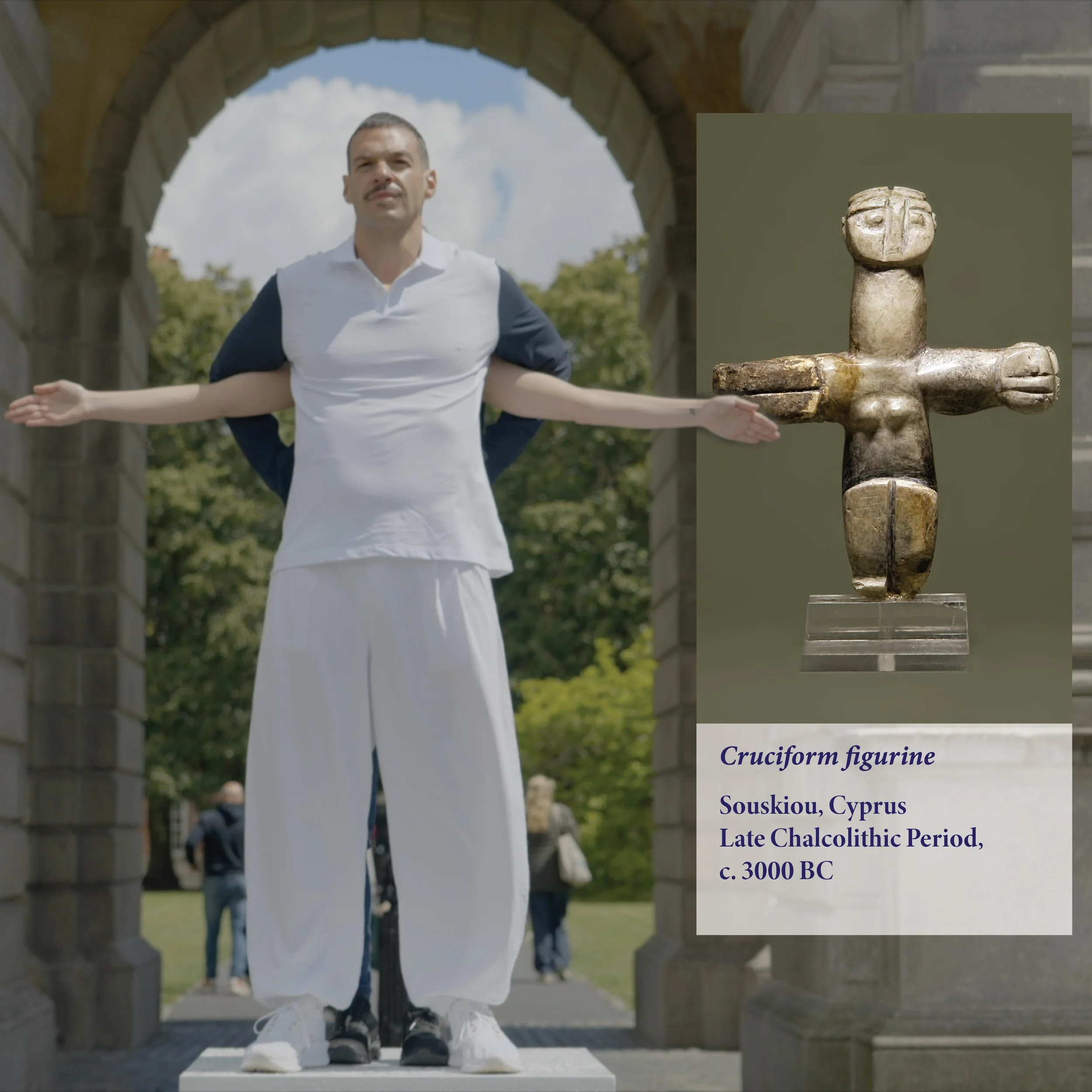
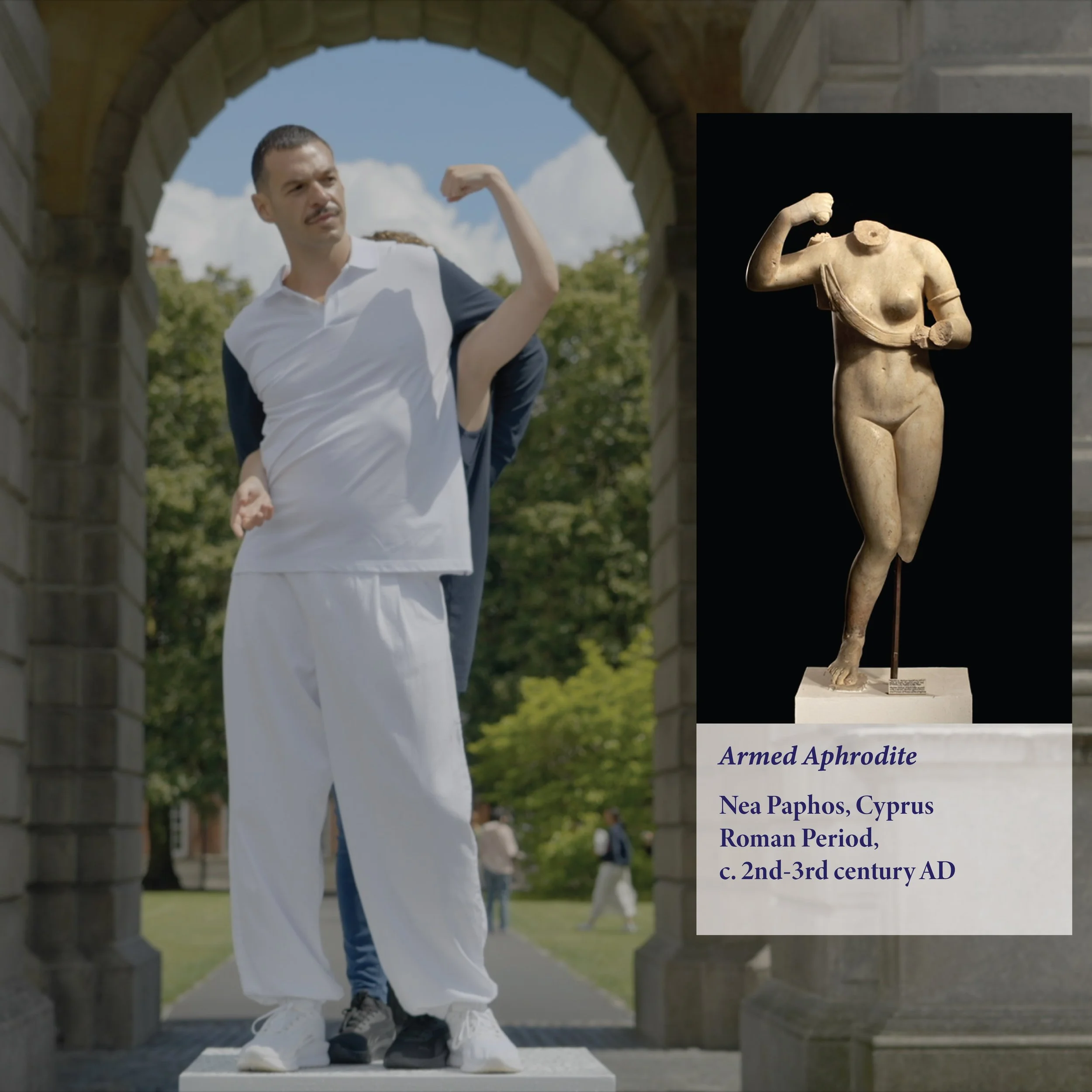
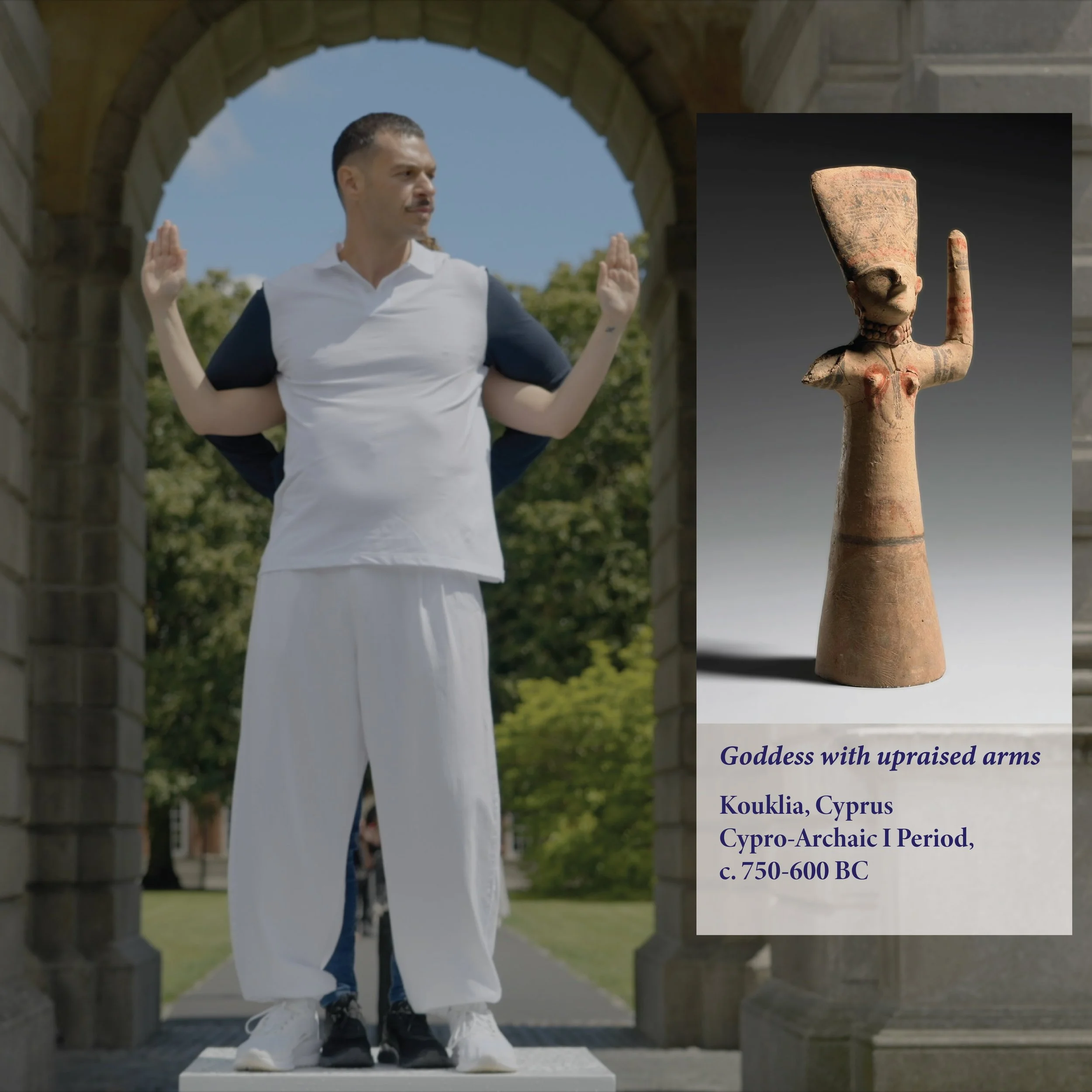
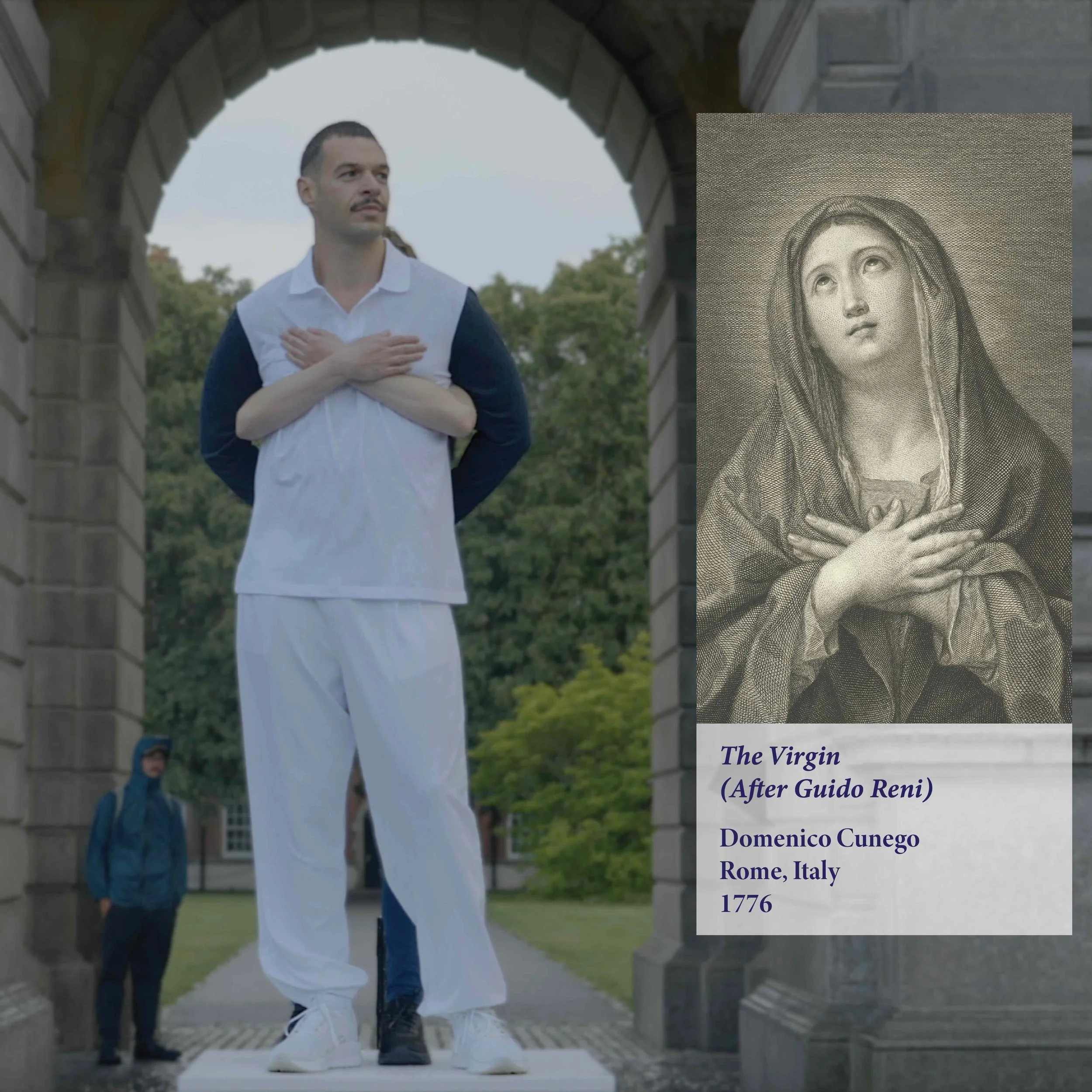
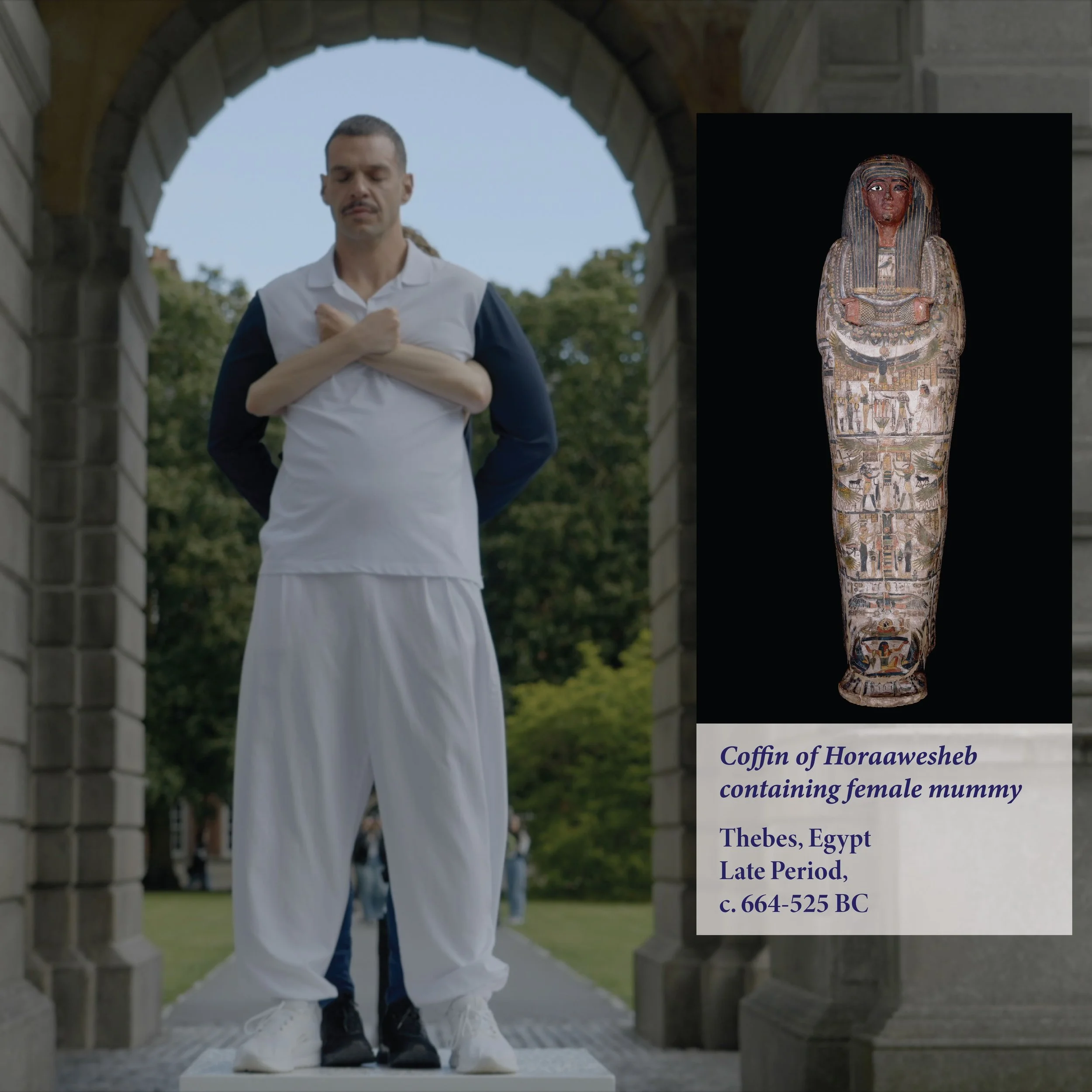
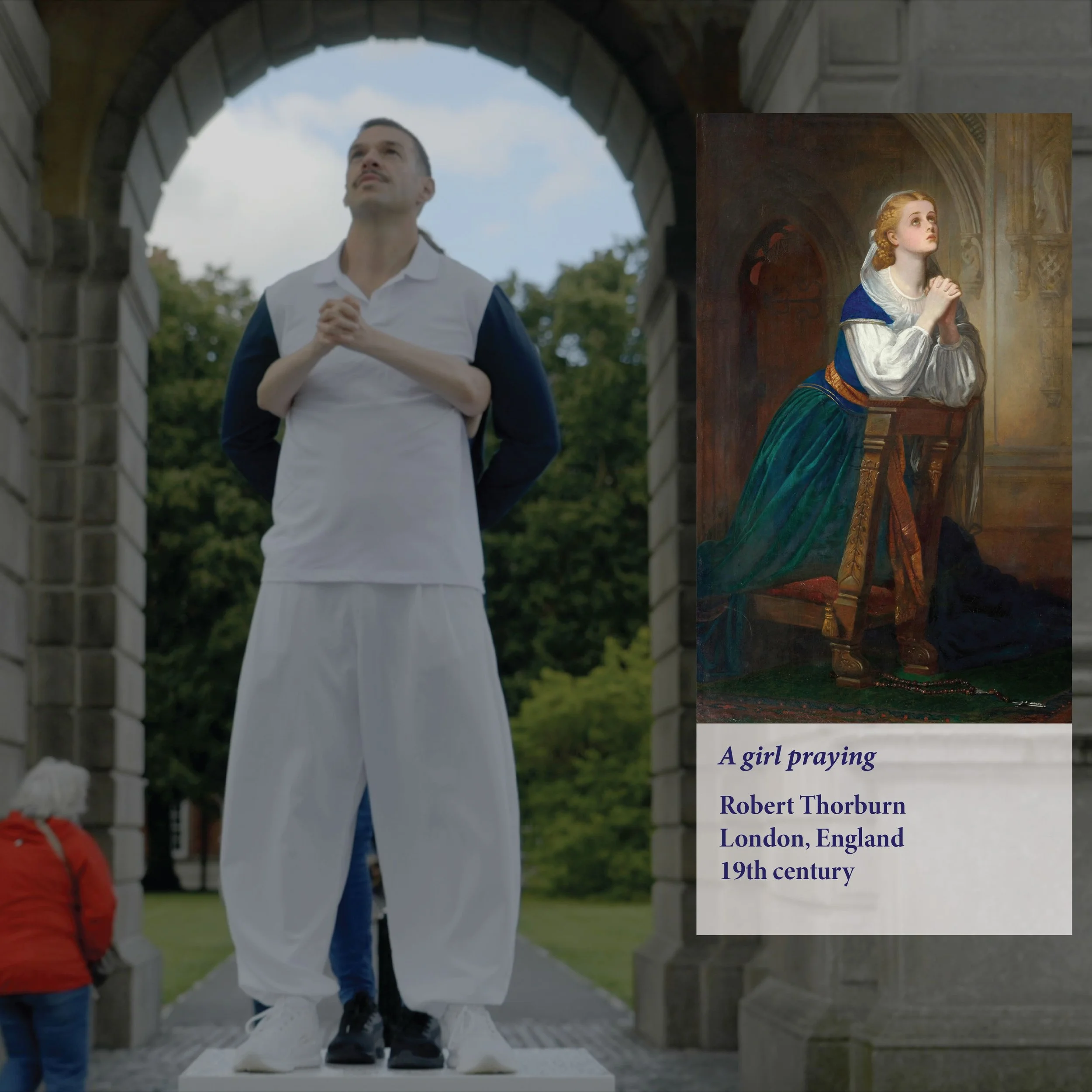
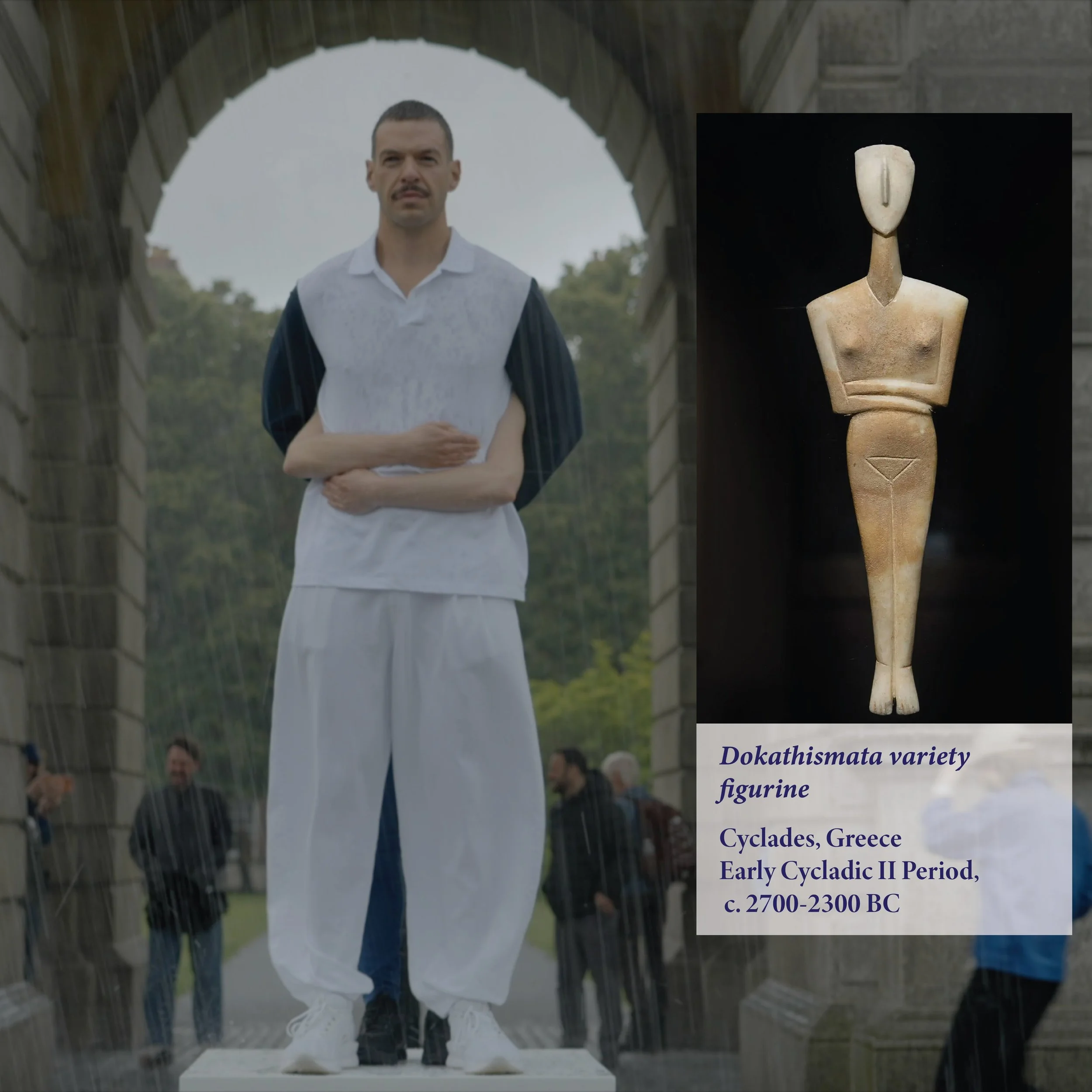
Timeline: Selection of historical references presented in the live action’s chronological order
DIVA: Cypriot-born Aphrodite and visual artist PASHIAS between cultural identities and gender perceptions at Trinity College Dublin
Press Release, July - 2026
The two-day initiative “DIVA”, a series of public events focusing on performance art, archaeology, mythology and contemporary social challenges, was recently held with great success at Trinity College Dublin. The series featured a live performance by Cypriot visual artist PASHIAS, with the participation of Angelika Gana, at the historic bell tower of Trinity College Dublin, as well as a public discussion between event contributors and the general public at the Old Anatomy Museum.
The events were held under the auspices of the Faculty of Arts, Humanities and Social Sciences at Trinity College Dublin, the “Fostering Cypriot and Greek Studies in Ireland” program, and the international network “Unlocking Sacred Landscapes.” In parallel, they marked the celebration of more than thirty years of Cypriot Studies at the University, as well as the transition of the Presidency of the European Union Council in 2026 from Cyprus to Ireland.
The artwork finds its departure point in the archaeological artefact of the Aphrodite of Soloi, evidenced by the research of Dr. George Papantoniou and Prof. Christine Morris, approaching the deity as a symbol of beauty and eroticism, fertility and care, strength and resilience. Through the Goddess’ timeless presence and multifaceted character, Cyprus emerges as a crossroads and a bridge for exchange between communities and nations.
In the public performance, PASHIAS and Angelika Gana stand together on a raised podium, framed by the arch of the iconic bell tower - one of Ireland’s most visited landmarks. In the same way that Aphrodite is typically exhibited, encountered and reproduced without the bodily limbs that would enable her to move, act and react, PASHIAS' body is completed and animated solely by the hands of his partner.
From the broken wrist resting on the breasts of Botticelli’s Venus, to the elbows of the Cypriot Great Goddess raised at ninety degrees, to the outstretched straight arms of the cruciform figurines. Through the archetypes of the female divine, from stillness to interactivity, the bodies unite in an evolving sculptural composition. By challenging notions of gender, social roles and identity, the bodies find their 'shape' beyond the persistent social tendency to define them according to binary characteristics.
Particular reference was made to the extreme weather conditions that prevailed during the live performance, ranging from sunshine to heavy rain and hail. The presence and perseverance of bodies throughout the artwork's duration - both of the artists and audience members - served as a reminder of the resilience and enduring strength carried by civilizations and cultures through the centuries.
The following day, the event continued with a public forum that took place at the historic lecture amphitheater of the Old Anatomy Museum, where dissections were performed as part of medical studies during the 18th and 19th centuries. The forum included an introduction by archaeologist Dr. George Papantoniou, a discussion featuring the Dean of the Faculty of Arts, Humanities and Social Sciences Prof. Carmel O’Sullivan, as well as Prof. Christine Morris, Evi Numen, PASHIAS and Angelika Gana, whilst the live action was converted into a video projection during the open dialogue with audience members.
The events were part of the broader “Pride at Trinity College Dublin” program, promoting visibility, equality and the rights of LGBTQI+ communities, trans and non-binary individuals. In this context, the “DIVA” series explores the body as a site of negotiation between gender, sexuality, identity, authority and resilience. Its significance is further recognized by its inclusion in the annual academic symposium “Pride in Research” held at the University on the 23rd of June, highlighting the role of research and artistic practices in matters of social justice.
Additionally, the event forms part of the longstanding "Body + Exhibit" methodology developed by visual artist PASHIAS since 2014, exploring the relationship between the human body and museum artifacts, archaeology and mythology, as means of understanding contemporary urgencies. The methodology has been presented in collaboration with major cultural organizations and museums, including the Musée des Augustins, the Acropolis Museum, the Benaki Museum, the Bank of Cyprus Cultural Foundation, the Fitzwilliam Museum, and the British Museum.
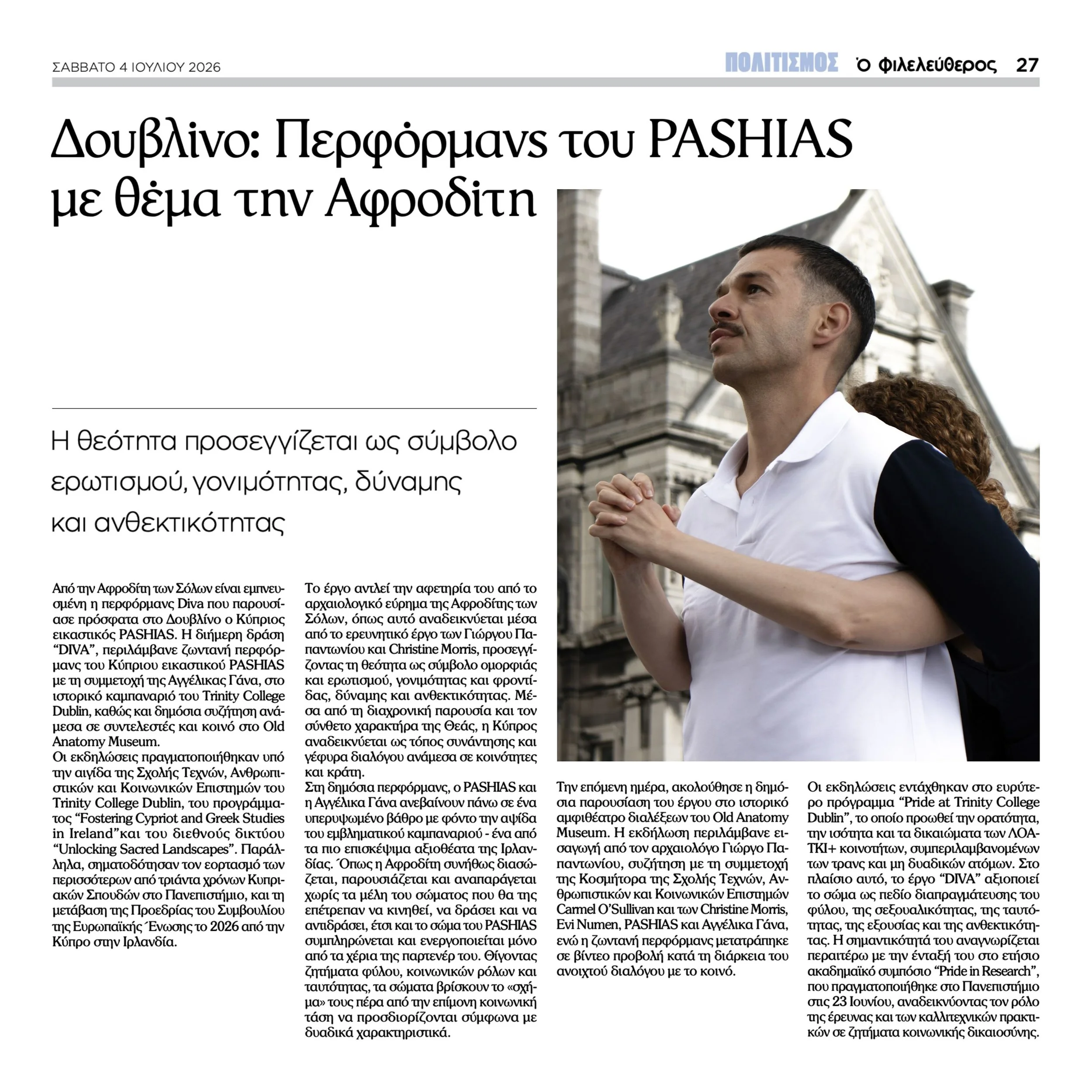
"Aphrodite of Soloi" inspired PASHIAS’ performance in Dublin, Phileleftheros Newspaper, 02/06/26 - Read Article (GR)
Cypriot-born artist PASHIAS at Trinity College Dublin, Phileleftheros Newspaper, 03/06/26 - Read Article (ENG)
Satellite Activities
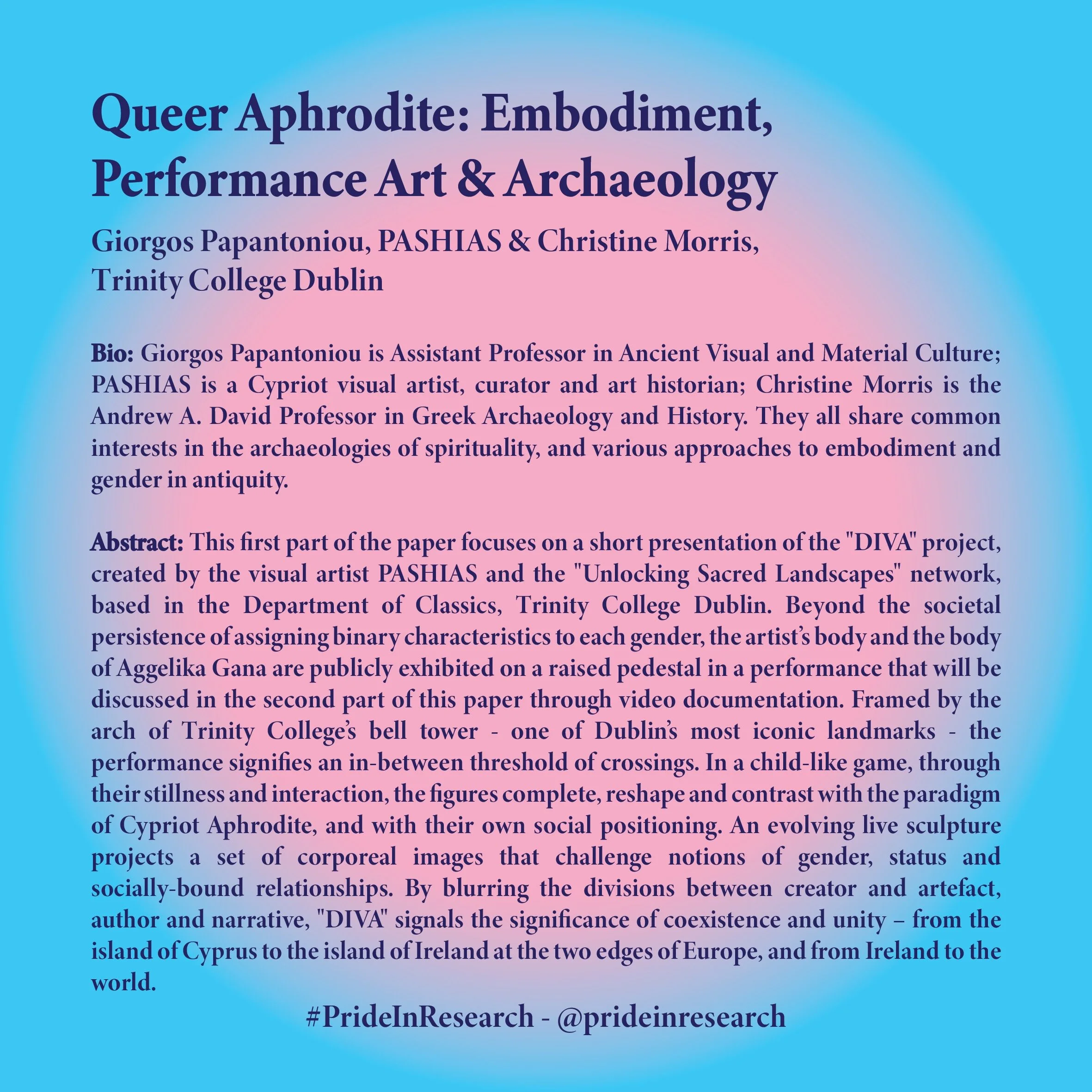
Queer Aphrodite: Embodiment, Performance Art & Archaeology
Public event "DIVA" has been distilled and expanded into the paper "Queer Aphrodite: Embodiment, Performance Art & Archaeology" by Dr. Giorgos Papantoniou, PASHIAS and Prof. Christine Morris. Emphasising the work's significance in conversations around gender and hybrid identity, the paper was selected for presentation in this year's "Pride in Research", an annual conference held by the Trinity College Dublin LGBTQ+ Staff Network, on the role of research and academic practices in matters of social justice and equality.
Abstract: This first part of the paper focuses on a short presentation of the "DIVA" project, created by the visual artist PASHIAS and the "Unlocking Sacred Landscapes" network, based in the Department of Classics, Trinity College Dublin. Beyond the societal persistence of assigning binary characteristics to each gender, the artist’s body and the body of Aggelika Gana are publicly exhibited on a raised pedestal in a performance that will be discussed in the second part of this paper through video documentation. Framed by the arch of Trinity College’s bell tower - one of Dublin’s most iconic landmarks - the performance signifies an in-between threshold of crossings. In a child-like game, through their stillness and interaction, the figures complete, reshape and contrast with the paradigm of Cypriot Aphrodite, and with their own social positioning. An evolving live sculpture projects a set of corporeal images that challenge notions of gender, status and socially-bound relationships. By blurring the divisions between creator and artefact, author and narrative, "DIVA" signals the significance of coexistence and unity – from the island of Cyprus to the island of Ireland at the two edges of Europe, and from Ireland to the world.
Bios: Giorgos Papantoniou is Assistant Professor in Ancient Visual and Material Culture; PASHIAS is a Cypriot visual artist, curator and art historian; Christine Morris is the Andrew A. David Professor in Greek Archaeology and History. They all share common interests in the archaeologies of spirituality, and various approaches to embodiment and gender in antiquity.